History of the Szeged Zoo
The Birth of the Zoo
Just like in many other provincial cities, the idea of establishing a zoo in Szeged emerged in the 1960s. The city’s long-standing tradition of biological education at its higher education institutions further strengthened this demand, which, however, remained only at the planning stage for a long time. The proposed locations included the free area between the Botanical Garden and the River Tisza, the Liget in Újszeged, and the surroundings of the Sancer lakes.
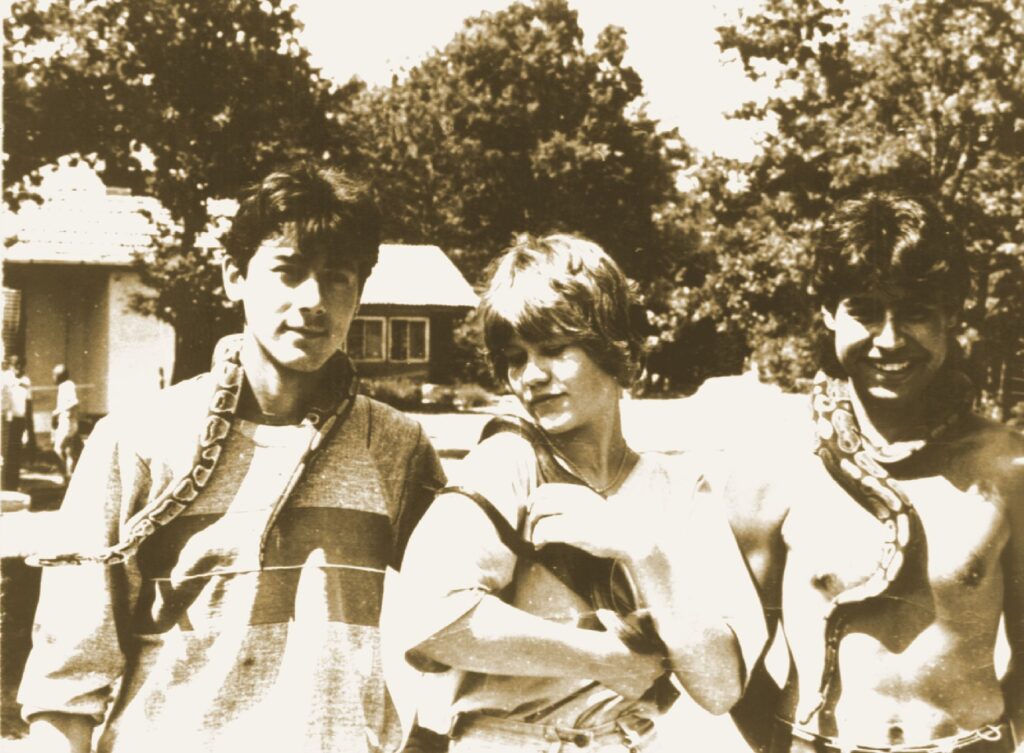
Eventually, it was in the latter area that the process of establishing the zoo began in the 1980s—without official permission and carried out as voluntary community work. Students and university professors created an enclosure on the site, where roe deer and wild boars were kept.
What happened in May 1989?
May 2 – The dismantling of the technical border barrier, the “Iron Curtain,” begins at the Hungarian–Austrian border.
May 13 – The Németh government orders the immediate halt of the construction of the Nagymaros hydroelectric power plant.
May 15 – After 30 years, a Soviet head of state, Mikhail Gorbachev, visits Beijing again.
May 25 – The Congress of People’s Deputies elects Mikhail Gorbachev as the first—and last—President of the Soviet Union.
May 31 – U.S. President George H. W. Bush, during his visit to West Germany, proposes free elections in Eastern Europe and the dismantling of the Berlin Wall.
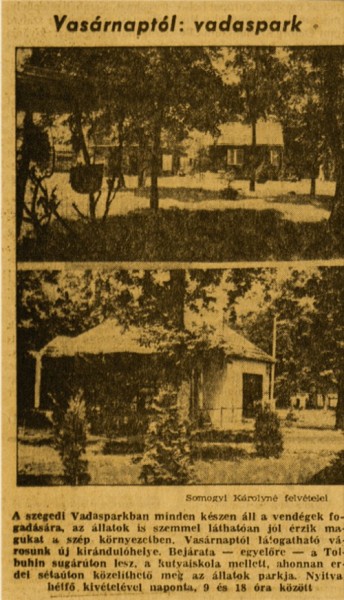

(1) Source: Délmagyarország, 26 May 1989. (2) Ede, the sooty mangabey, the first major rarity – it lived to see the 20th anniversary.
Finally, on December 5, 1985, the resolution of the Szeged City Council was passed, creating the institution as part of the amusement park. The resolution was not followed by immediate action; construction effectively began without expenditures, purely through voluntary work, demolition materials, and donations from companies and schools. At this time, the zoo operated practically “semi-legally.”
In 1985, the animal collection consisted of only 3 monkeys, a few roe deer and wild boars, and a giant snake. By 1989, their number had grown significantly. From January 1, 1989, the zoo became an independent institution, and in May of the same year, on Children’s Day (May 28), it officially opened its gates with a 3–4 hectare exhibition area.
Wildlife Park or Zoo?
There are several wildlife parks in Hungary that are only such in name, as they are in fact true zoos displaying exotic animals. The one in Szeged belongs to this category as well. Initially, there was a serious professional debate about whether it should remain a wildlife park based on European fauna or open towards exotic rarities. The debate was quickly settled, and our success shows that our predecessors chose the right direction.
The Early Years
Although the animal stock was relatively modest at the beginning, it expanded rapidly. Moreover, it did so according to a concept that still defines the collection of the zoo today: the presentation of specifically rare and endangered species, grouped according to their geographical distribution.
This approach was in line with the globally renewing zoo philosophy of the time and made it possible for the zoo to quickly integrate into the international zoo community.
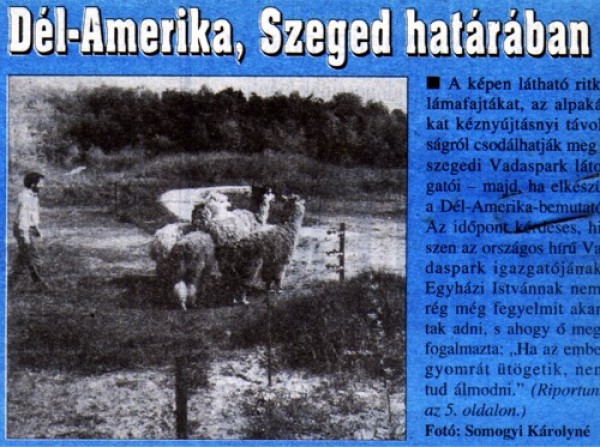
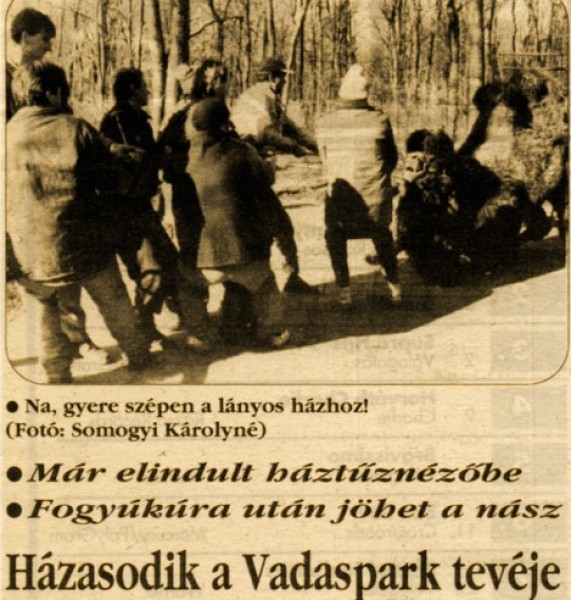
Those were difficult years… (Source: Délmagyarország, February 10, 1993)
The first stage in establishing geographical exhibits began with the construction of the South America area, which opened in May 1994. The ambassadors of Peru and Ecuador were also present at its inauguration. The first significant participation in international species conservation programs began with marmosets, and thanks to the achieved successes, the institution quickly gained international recognition.

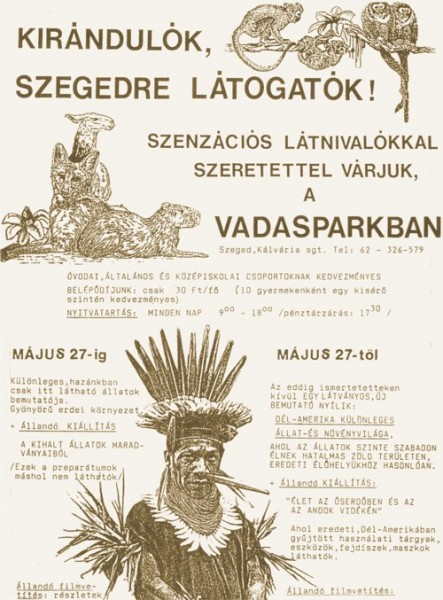
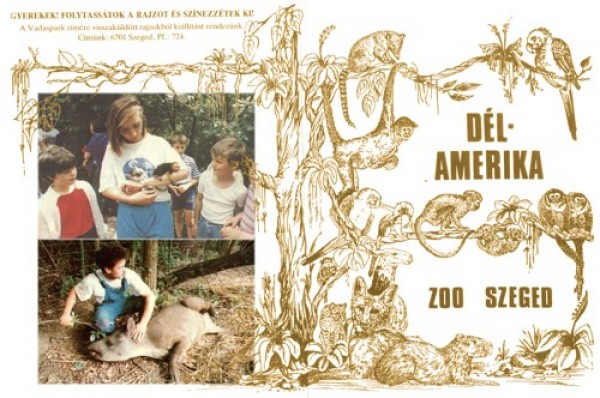
The South American premiere has become a “hallmark”
Education, as one of the main tasks of modern zoos, was also given great emphasis from the very beginning. The wooden building of the zoo school was constructed in 1993 with the support of the city (today’s Terrarium House). In recognition of its high-quality educational work, the Ministry of Environment and Nature Protection declared the institution an Environmental Education Centre in 1993.
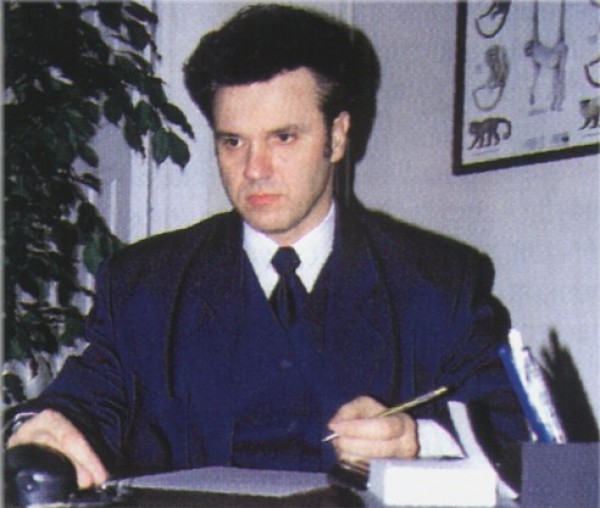
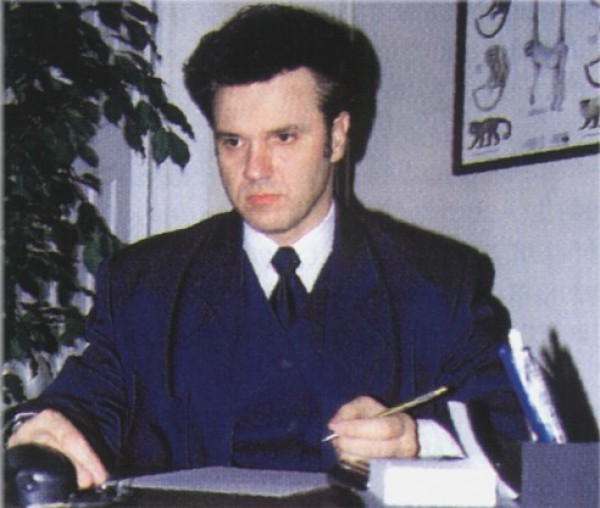
István Egyházi
Director (1986–1998)
István Egyházi, a trained teacher, was the one who defined the institution as a zoo specializing in rare species. He later continued his career as the director of the Pécs Zoo and Aquarium-Terrarium.
A Special Zoo
The youngest: Among traditional municipal zoos, the one in Szeged is the youngest.
The largest: Among Hungarian zoos, Szeged Zoo covers the largest area, nearly 45 hectares. Only part of this large area has been developed so far, meaning that expansion is not limited by the zoo’s boundaries.
The garden of rare animals: From the very beginning, the zoo has aimed primarily to keep rare and endangered animals, including many species considered rare even in Western Europe.
Participation in conservation programs: Among Hungarian zoos, Szeged has had—and still has—the highest proportion of species kept within international breeding programs (EEP, ESB).
Animals in spacious enclosures: From the beginning, naturalistic housing has been the primary consideration. For a long time, Hungarian zoo visitors could only encounter enclosures of this size and natural quality in Szeged.
Wildlife rescue centre: The zoo receives the largest number of injured, orphaned, or confiscated protected animals in Hungary—up to 500 annually. In 2001, it was awarded the Pro Natura Memorial Plaque by the Ministry of Environment.
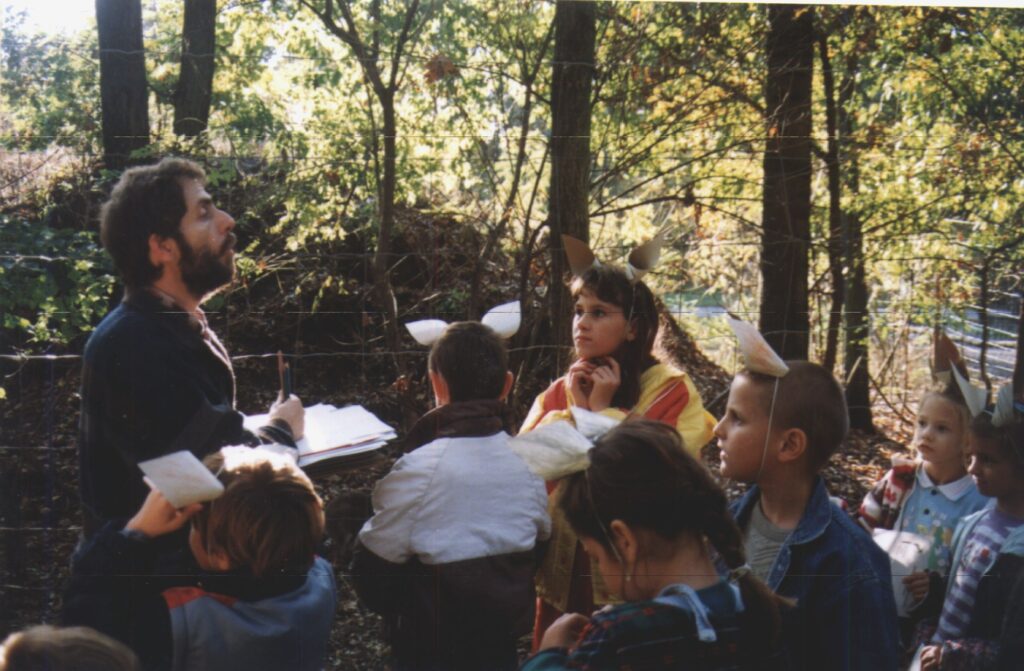
Zoo pedagogy: Education has been a core mission from the beginning. The first zoo pedagogy conference was held here, and the first full-time zoo educator in Hungary also worked here.
Zoo keeper training: The only zoo keeper training program in Hungary is hosted here.
A Developing Zoo
Due to its relative youth, the zoo mostly had modern enclosures, but there were also outdated cages that needed to be replaced as zoo philosophy and visitor expectations evolved. Additionally, new regulations defined minimum enclosure sizes, which Hungarian zoos had to meet by December 31, 2006.
Another major issue was the lack of buildings for housing large tropical animals and accommodating visitors during winter. The increasing importance of wildlife rescue activities also required a modern intake centre. The zoo school was also becoming too small, making the construction of a modern education building necessary.
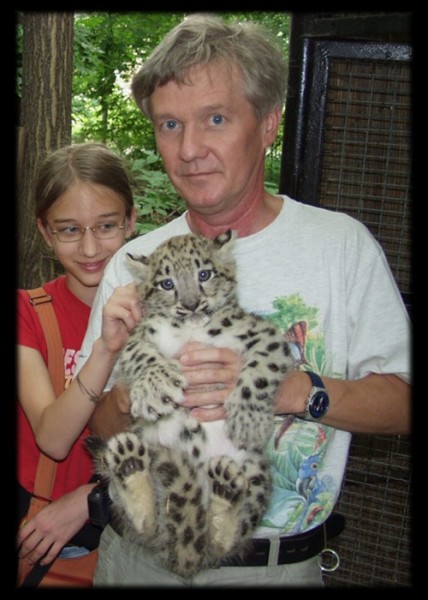
Dr. Gábor Gősi
Director (1998–2006)
The zoo’s second director, a veterinarian, was recognized both in Hungary and internationally. He served as president of the Hungarian Zoo Association and was the only Hungarian coordinator of an international breeding program (White-faced tamarin EEP). During his tenure, the zoo developed rapidly, enclosures were modernized, and the collection expanded further. He passed away after a long illness; his memorial plaque can be found near the Tropical House.
The modernization of the zoo began largely from state and municipal funding, resulting in the opening of new buildings year after year. Thanks to these developments, the zoo maintained its prestigious position among Hungarian zoos and remained one of the most modern institutions.
Development Timeline
2000 – Parrot House and aviary, Japanese macaque enclosure
2002 – Snow leopard and lynx enclosures
2003 – Renovation of the old monkey house, bush dog enclosure
2004 – Asia House (gibbon, lion-tailed macaque)
2005 – South America House (tapir, spider monkey, howler monkey, capybara)
2006 – Lion House
– Wildlife Rescue Centre and quarantine building
– Environmental Education Centre
– Southern Great Plain Farmstead
– Madagascar House
2007 – Jaguar House and enclosure, renovation of the Terrarium House
2008 – New Main Entrance, Africa House (cheetah, guenon, dwarf crocodile, finch aviary), wolverine enclosure
2009 – Siberian tiger and Chinese leopard enclosures
2010 – Wolf, otter, golden jackal enclosures and aviaries, anteater and spider monkey enclosures
2011 – “Savanna Above and Below”: Giraffe House and enclosures
2012 – Penguin exhibit, renovation of Asia House with new enclosures (clouded leopard, binturong), red panda enclosure.
The Zoo of the Present and the Future
In recent years, visitor numbers at Szeged Zoo have increased significantly, thanks to continuous developments and a collection that has expanded not only with rare but also increasingly popular species. For a long time, the zoo had around 100,000 visitors annually, but since 2004 this number has steadily grown: by 2008 it exceeded 171,000, and by 2012 it was already approaching 200,000.
The growth of the animal collection has also been remarkable. While in 2008 the zoo kept 403 individuals of 132 species, by 2012 this number had risen to 1,227 individuals of 195 species and subspecies. Of these, 37 species are managed במסגרת European Endangered Species Programmes (EEP), and 15 species are listed in European Studbooks (ESB), meaning that the proportion of “program species” is 26.7%. This ratio remains the highest among Hungarian zoos, demonstrating Szeged Zoo’s outstanding performance in conservation and species preservation.
Although visitors may not have noticed it, a significant change took place in 2012 in the life of the zoo. Leaving behind its previous institutional structure, it was reborn under a new operational and financial model as Szegedi Vadaspark Nonprofit Ltd. While the owner remains the Municipality of Szeged, the new system provides greater independence for the zoo, which now engages in increasingly diverse economic activities. In addition to ticket sales, its own gift shop and catering units also contribute significantly to its revenue.
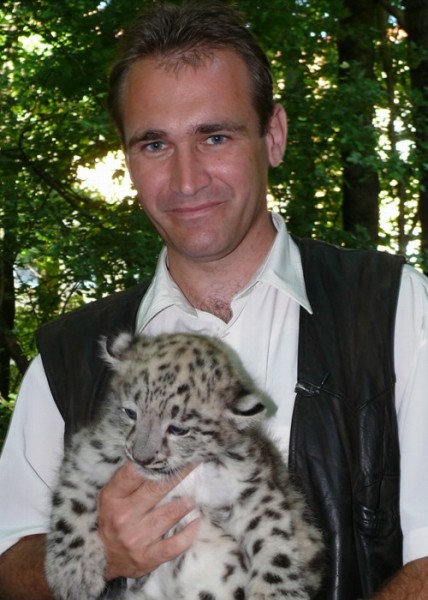
Róbert Veprik
Director (since 2006)
Róbert Veprik learned the profession alongside Dr. Gábor Gősi, first as a collection supervisor and later as deputy director. He took over the management of the zoo in 2006 and continued its ambitious development projects, through which the zoo has gained increasing popularity among visitors. He is the president of the Hungarian Zoo Association and a member of the Technical Assistance and Animal Welfare Committee of European Association of Zoos and Aquaria.
On the 20th anniversary of the zoo, in May 2009, the Siberian tiger and North Chinese leopard exhibits were inaugurated. At the same time, the lowland anoa arrived—being the first in Hungary—into a renovated enclosure and house built for the species. A smaller but equally valuable newcomer of the year was the bat-eared fox, whose exhibit was constructed next to the Lion House.
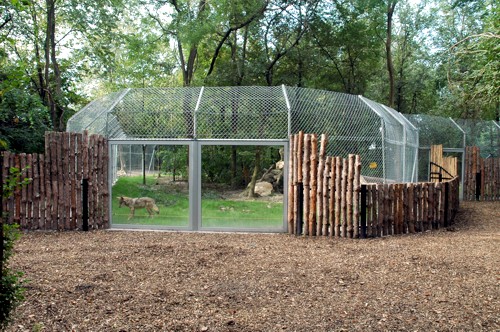
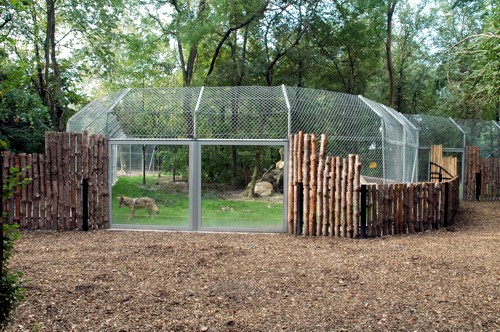
In 2010, developments primarily enriched the European section. Enclosures for European wolves, golden jackals, and otters, as well as aviaries for aquatic and forest birds, were constructed with grant funding. As part of the Hungary–Romania Cross-Border Cooperation Programme (2007–2013, “2.1.3 Tourism Development”) and with municipal support, the Carpathian Basin exhibit was also created, modernizing a somewhat remote but forested and naturally atmospheric part of the zoo.
In 2011, the largest development in the zoo’s history up to that point was completed. Half of the 125 million HUF investment was funded by an EU grant (“Visitor-friendly Development of Szeged Zoo – DAOP-2.1.1/E-09-2009-0030”), while the other half was provided by the Municipality of Szeged. The large giraffe enclosure was built from the zoo’s own resources and with the support of the Szeged Zoo Foundation.
The complex was aptly named “Savanna Above and Below”, as it presents not only towering giraffes and zebras but also unique species such as the naked mole-rat living underground and the fast-moving short-eared elephant shrew at ground level.
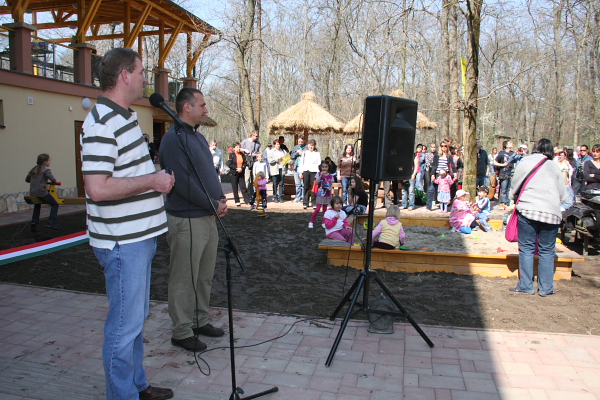
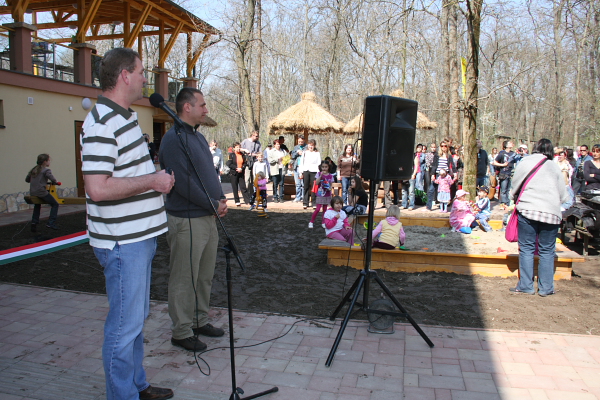
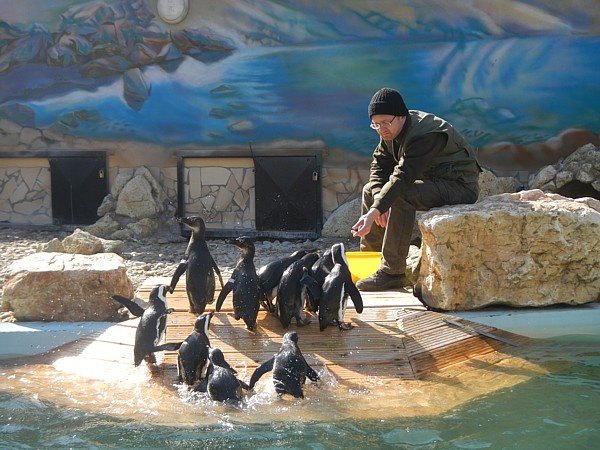
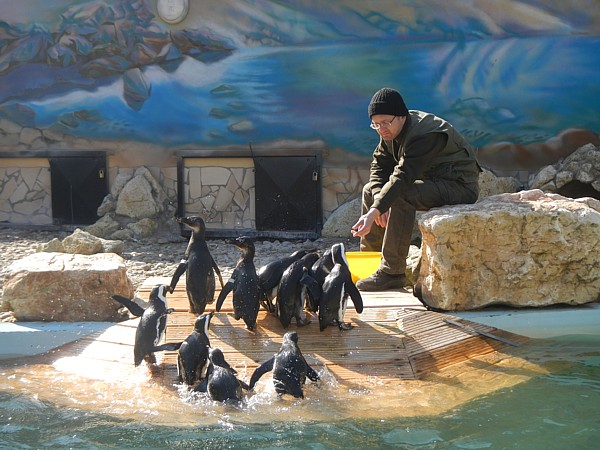
In 2012, species representing a completely new theme for Szeged enriched the collection. As a small “piece of the sea,” African penguins moved into their new house and pool, built with funding from the Hungary–Serbia IPA Cross-Border Cooperation Programme and municipal support.
In the same year, the Asia House was also renovated. In addition to binturongs and the truly rare clouded leopards, it also houses a CITES exhibition presenting wildlife trafficking and efforts to combat it, as well as a memorial exhibition of Tamás Fábián with remarkable mineral specimens.
The zoo’s programs and events have also developed significantly. The increasingly popular “Zoo-type Encounters” presentations attracted around 45,000 participants in 2012 alone. In recent years, alongside traditional events, performances by the Szeged Symphony Orchestra and demonstrations by the Hungarian Customs and Finance Guard have also been highly successful.
Zoo educators have held more than 300 sessions for kindergarten, school, and university groups, and summer camps are consistently very popular.
Developments continued in 2013 as well. A new exhibit featuring a pool of over 160 square meters and 2 meters deep was built, providing a home for 3–4 harbor seals. Thanks to modern design, visitors can observe the animals underwater as well. The Ethiopian exhibit houses rare African vulture species (lappet-faced and white-backed vultures) and gelada baboons. Another highlight of 2013 was the debut of “white” lions at the zoo.
In 2014, developments took place in the European section. Outdoor terrariums were built, where the zoo became the third in the world to present the Hungarian meadow viper. Additionally, a large enclosure for native deer species and mouflons was constructed.
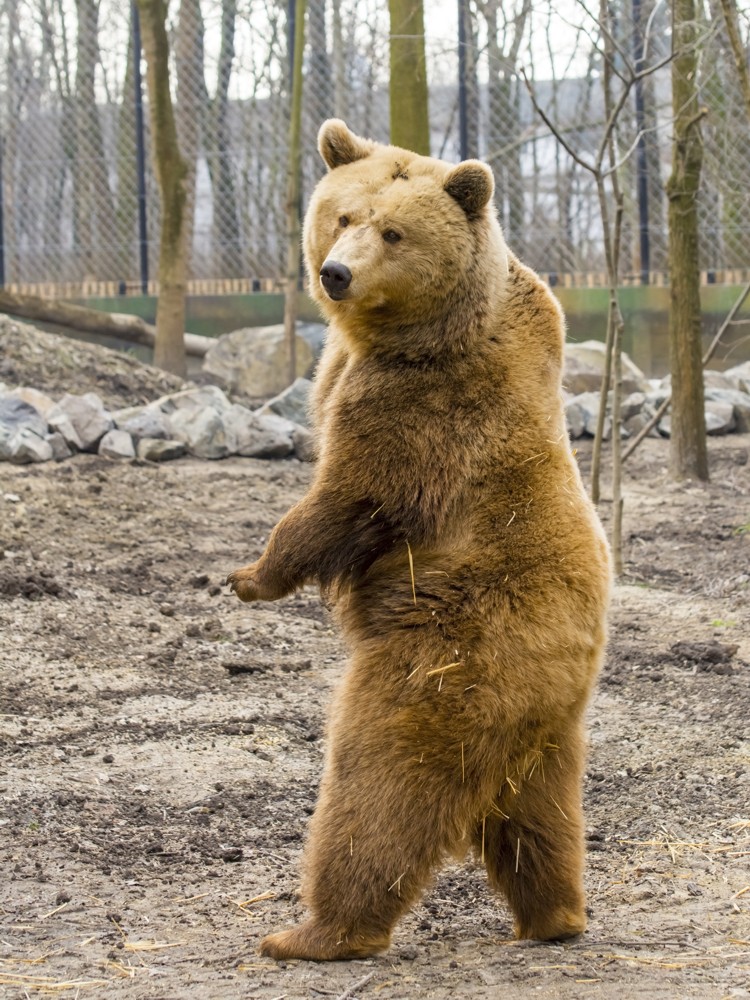
The most important part of this development—a complex housing brown bears, northern bald ibises, and marmots—was opened to the public in March 2015. In 2016, another continent was represented: North America, with species such as porcupines and prairie dogs, displayed alongside pumas.

The following year focused on preparing and launching another major development: the construction of an Asian elephant complex, the largest and one of the most significant investments in the zoo’s history, began in the second half of 2017.
As a result, 2018 became the “Year of the Elephant” at the zoo, marking a major leap in both professional standards and visitor attraction. The exhibit also includes hornbills and small-clawed otters.
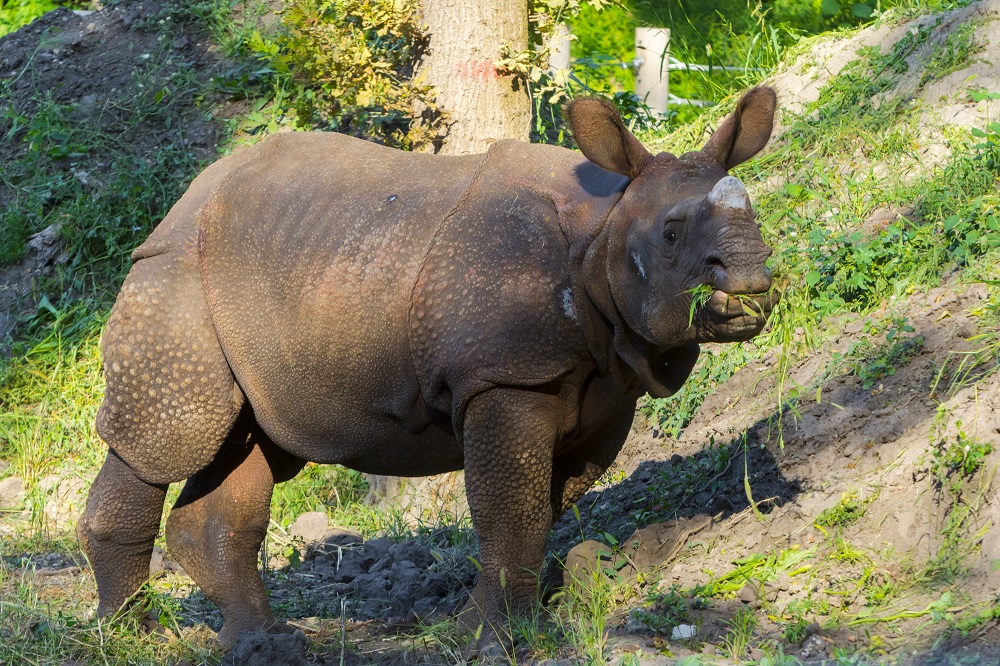
In 2019, the zoo celebrated its 30th anniversary, marked by the launch of another large-scale project. A new species further enriching the collection is another rare pachyderm: the Indian (greater one-horned) rhinoceros.
Following the zoo’s established philosophy, not only was an optimal habitat created for the animal, but also an exhibit evoking the landscape and culture of Northern India. The first individual, a two-year-old named Csülök, arrived in August 2020 from Nyíregyházi Állatpark.
Looking Ahead
Questions about the future are much harder to answer than those about the past. However, if the zoo can maintain the steady development it has shown in recent years, further expansion of the collection is certainly expected.
Top items on the “wish list” include great apes, large reptiles, and exotic species that could become the treasures of tropical houses. Exactly what will be realized, and when, cannot yet be determined, as these projects require significant external funding.
Nevertheless, the goal remains clear: to continue expanding the collection, attractiveness, and active role of Szeged Zoo in nature conservation and education.