Raccoons Share Their Enclosure with Nutrias
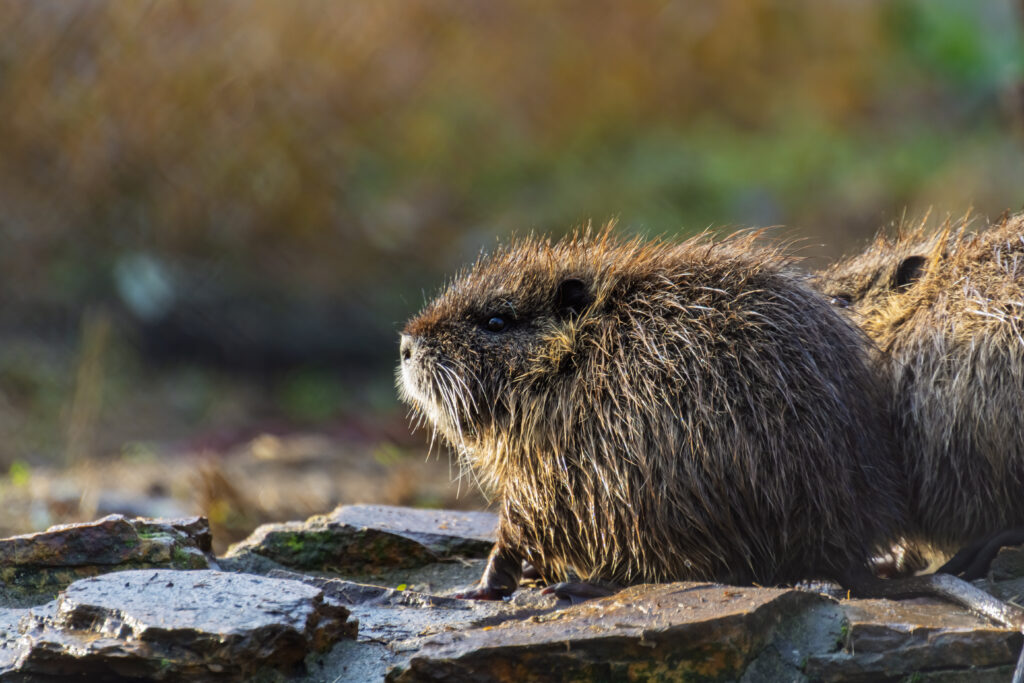
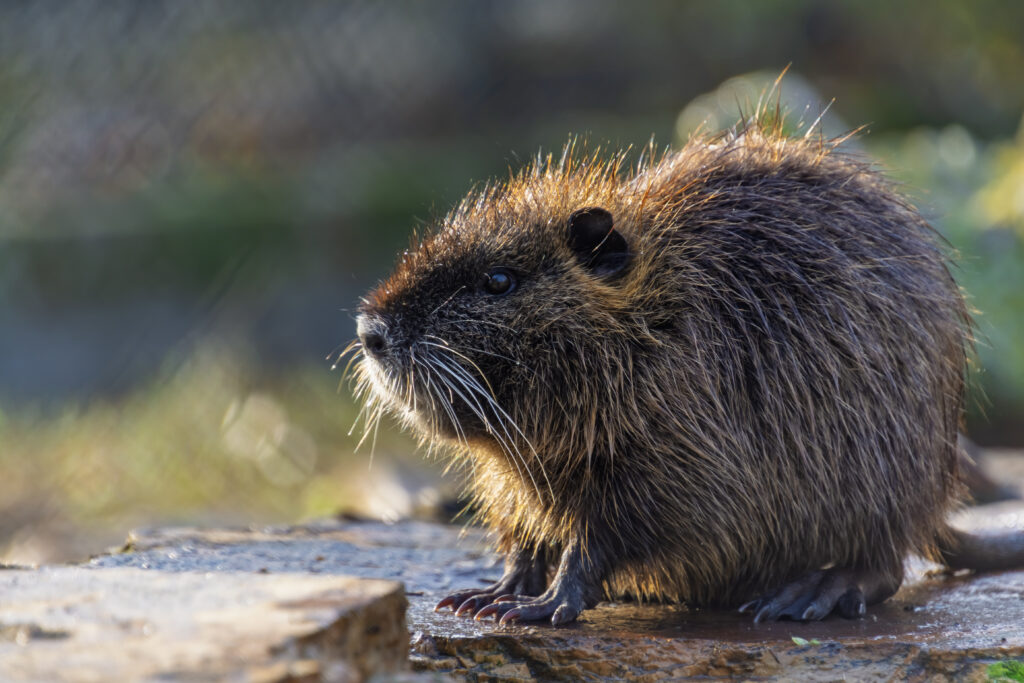
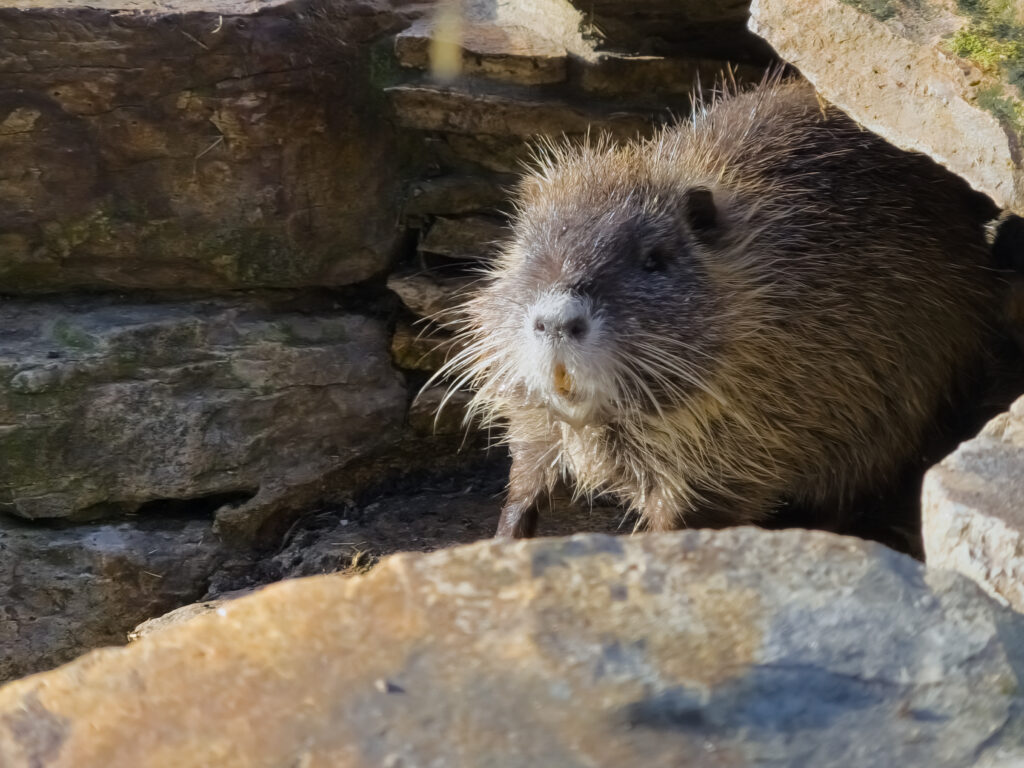
As mentioned earlier, the raccoons introduced a few days ago are sharing their enclosure with an exciting species. Nutrias, also known as coypus, are large rodents measuring about 40–60 cm, with webbed feet, clearly visible orange teeth, brown fur, and a white-spotted muzzle. Due to their charming appearance, they will surely become another favorite among visitors. However, their background—similarly to raccoons—is not very reassuring.
The nutria is originally native to the subtropical and temperate regions of South America. It was introduced to Europe in the early 1900s for economic purposes (fur production). Animals that escaped from farms established self-sustaining populations in the wild. Their spread is aided by mild winters; by huddling together in their burrows, they can survive freezing temperatures. In Hungary, both small-scale and industrial breeding of nutria ended in 1992, and since 2010 their keeping and breeding have been prohibited. Current wild populations have developed partly from individuals arriving from abroad (along rivers) and partly from escaped animals.
The nutria is listed among the “100 of the World’s Worst” invasive species by the International Union for Conservation of Nature, as their extensive burrowing into riverbanks and dams causes erosion. Additionally, they can destroy aquatic and riparian vegetation over large areas, eliminating nesting, shelter, and feeding grounds for native species. They often rest in nests, displacing chicks and breaking eggs. They also cause serious economic damage in agriculture and can spread dangerous diseases such as toxoplasmosis.
Like the raccoons, they were captured in the wild by conservation experts near Ócsa, and were then taken in by the Szeged Zoo.
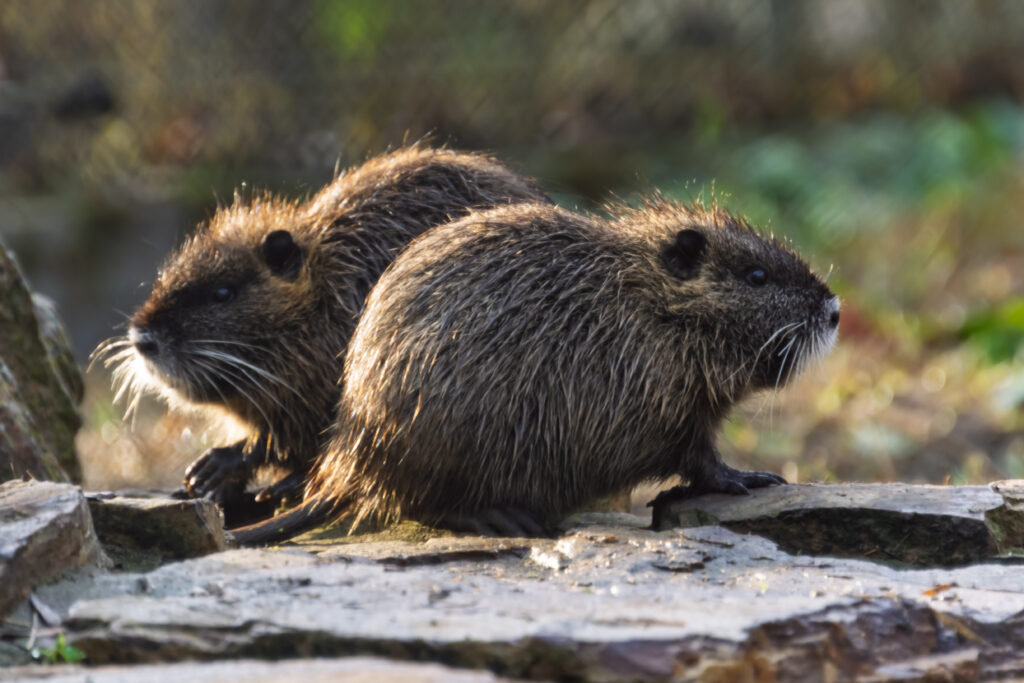
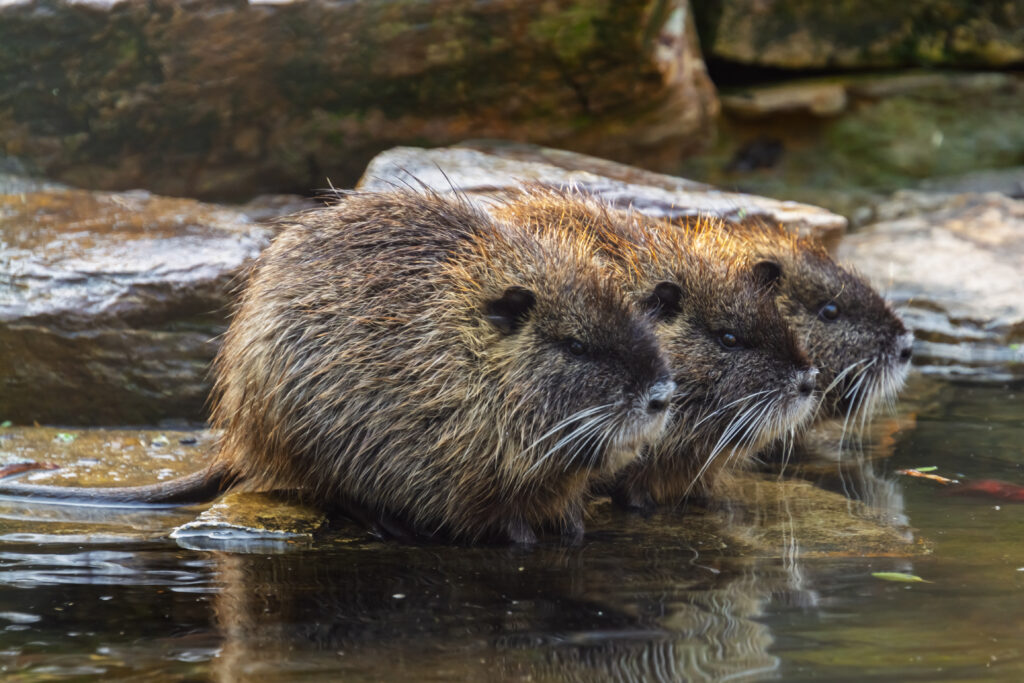
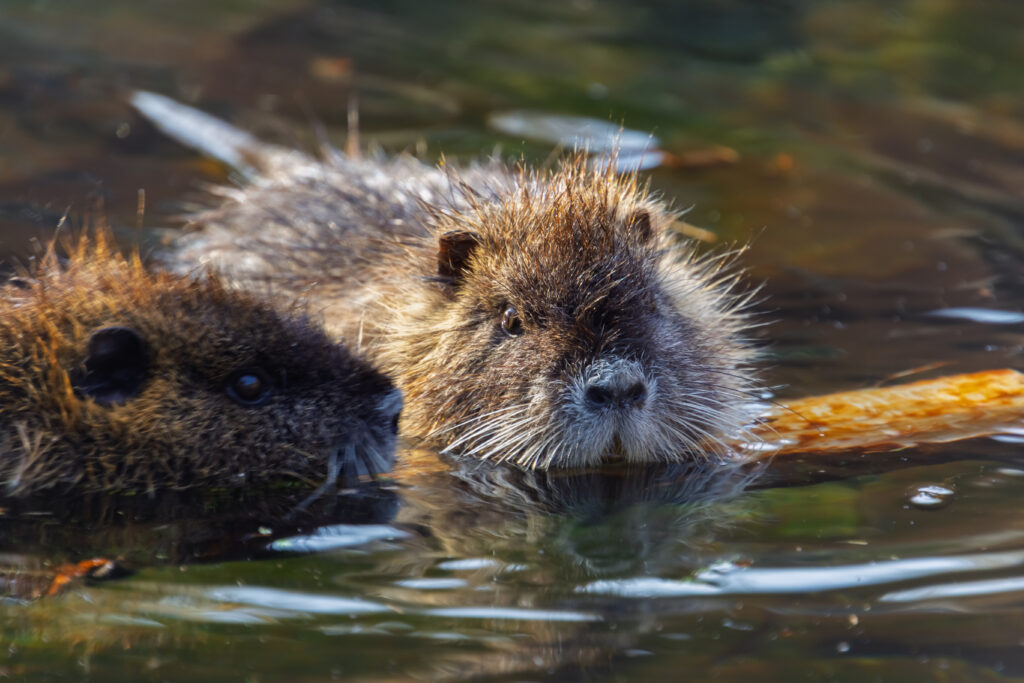
Fotók: Endrédi Lajos