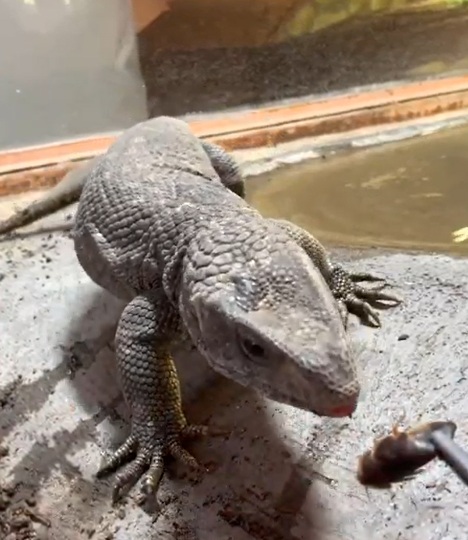
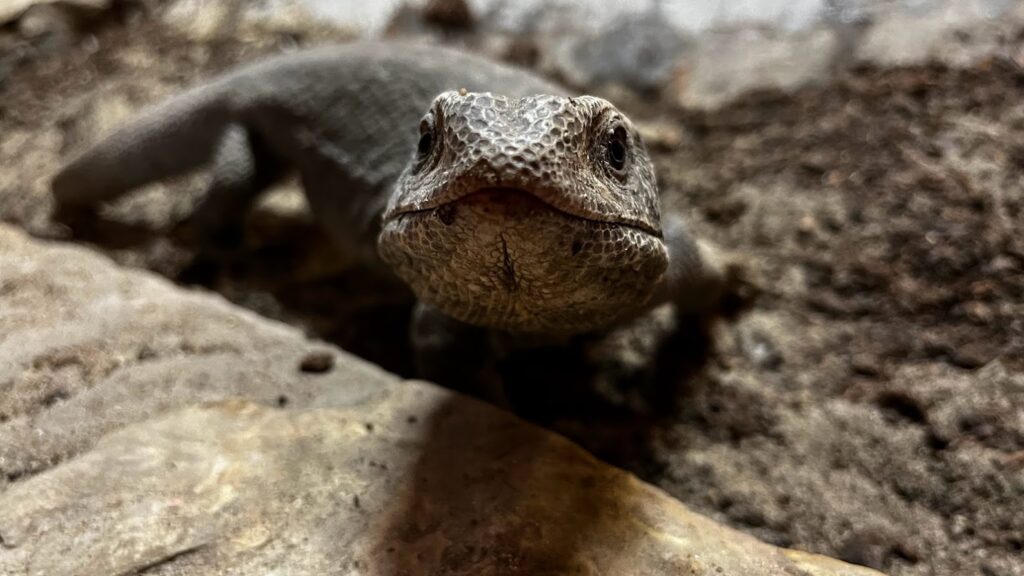
Savannah Monitor (Varanus exanthematicus)
Order: Squamata
Family: Varanidae
IUCN Red List: LC (Least Concern)

II.
Habitat
Savannas of Africa

Informations
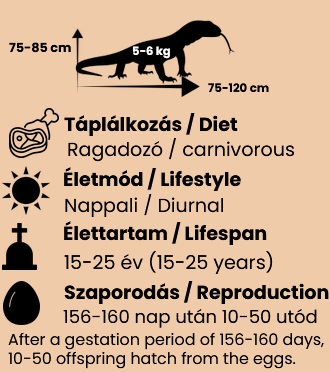
The savannah monitor, also known as the steppe monitor, is most commonly found in open grasslands, bushy areas, and sparse forests. It often shelters in burrows or tunnels dug by other animals. With its strong body, thick limbs, and long tail, it is well adapted for digging and rapid movement. Its diet is varied and includes insects, small vertebrates, eggs, and carrion.
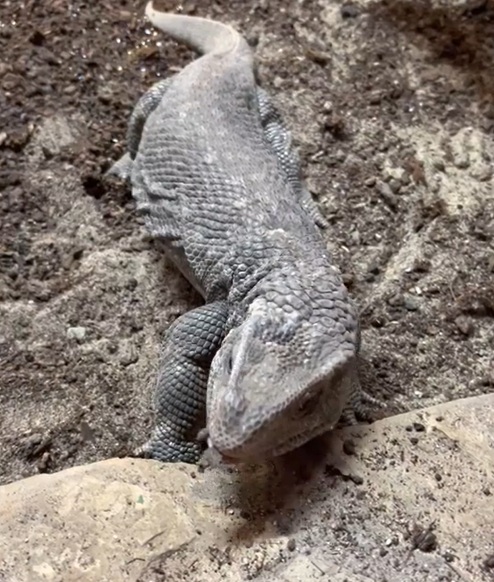
Dinosaurs disappeared tens of millions of years ago, but among living animals, monitor lizards are perhaps the most reminiscent of them in appearance—although they are not directly descended from dinosaurs. Today, around 50–60 species of monitor lizards live on Earth, inhabiting tropical and subtropical regions of Asia, Africa, and Australia. Their size varies greatly, ranging from species only about 20 cm long to giants that can reach 3 meters in length. Monitor lizards are also considered among the most intelligent reptiles.
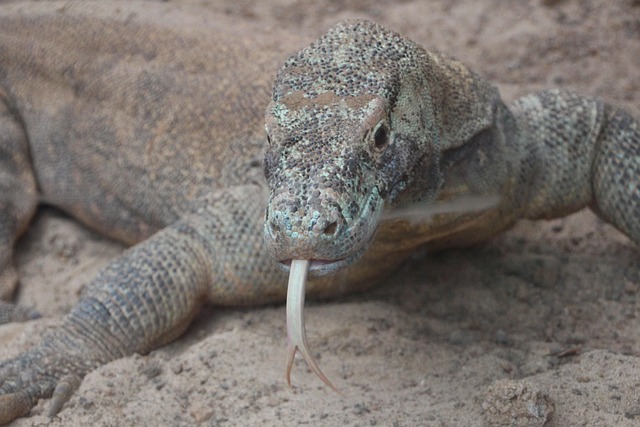
The best-known member of this group is the Komodo dragon, the largest lizard species in the world, which can weigh up to 140 kg. This remarkable reptile lives on a few small islands in Indonesia and has been known in Europe only since the early 20th century. Although the savannah monitor is much smaller, its appearance, behavior, and intelligence still evoke the ancient and fascinating world of reptiles.
Our animals
Mikó