
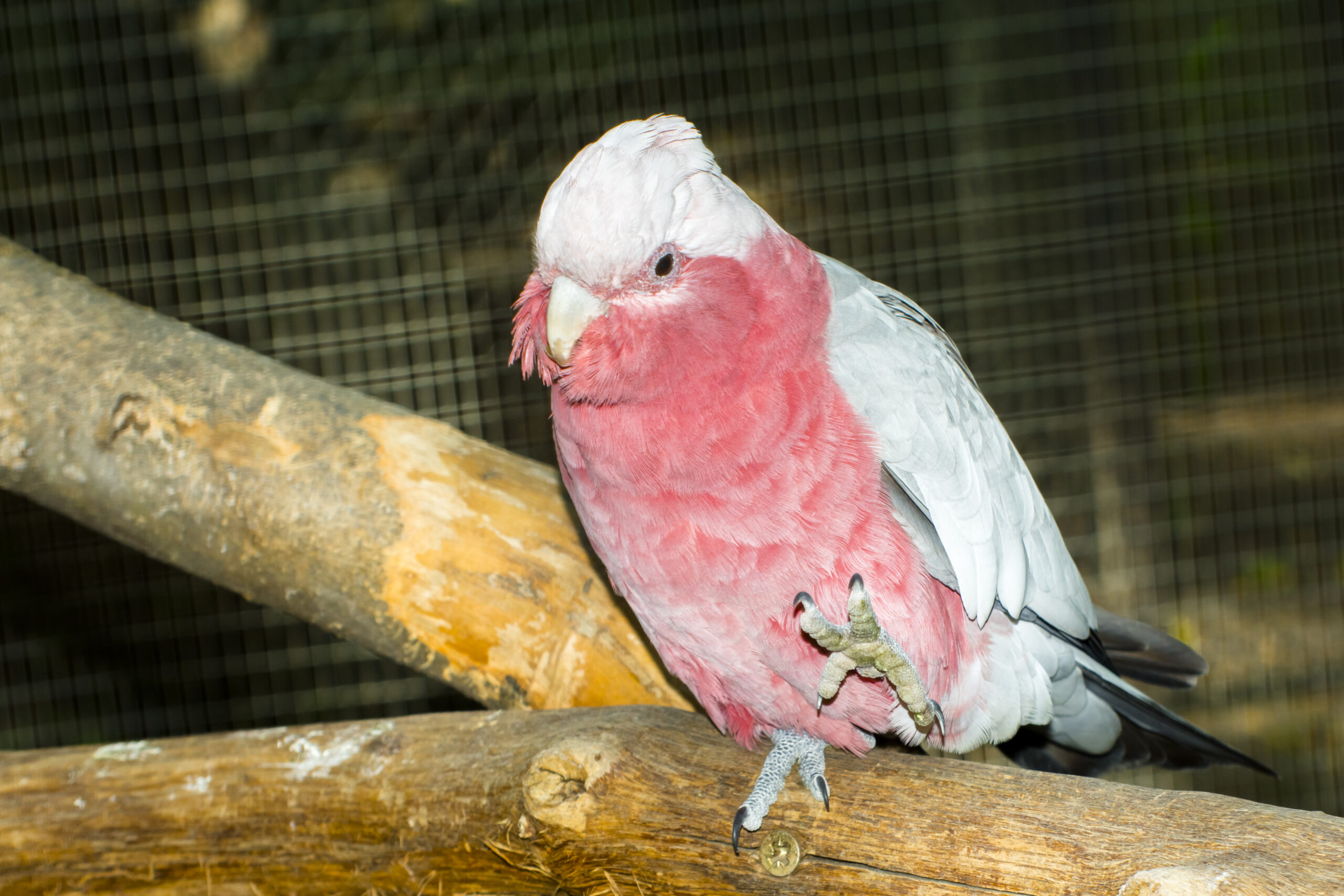
Galah (Eolophus roseicapilla)
Order: Psittaciformes
Family: Cacatuidae
IUCN Red List: LC (Least Concern)

II.
Habitat
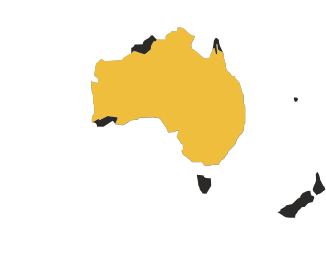
The Galah is widespread across Australia, except for some coastal regions.
Information
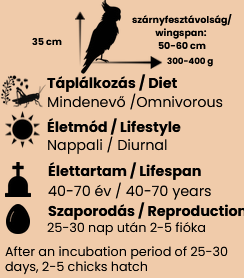
Diet: omnivorous. At one time, they were considered pests because they were believed to cause significant damage to crops. They were persecuted, but following international outcry, the Australian government declared them a protected species.
They are highly adaptable; within their range, they can now be found even in major cities. They are affectionate, highly social, and curious birds.
When young, the sexes cannot be distinguished by appearance; a DNA test is the most reliable method. Adults are also very similar in outward appearance. However, if one can observe the iris, the sexes of adult birds can be differentiated: the male’s iris is very dark brown, almost black, while the female’s is lighter brown or red.
Both parents participate in incubation and rearing. The chicks grow rapidly and fledge after approximately 6–8 weeks.