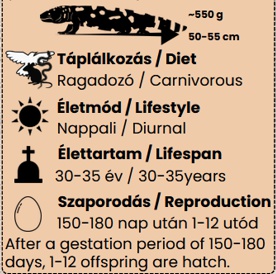

Gila monster (Heloderma suspectum)
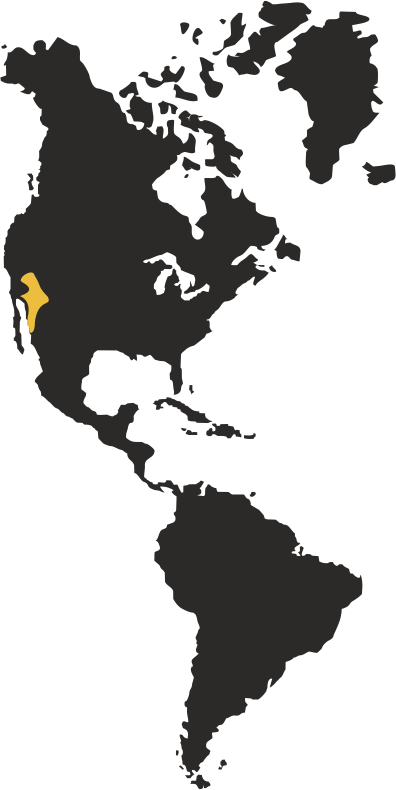
Habitat: Deserts and semi-arid regions of North America
Diet: Carnivorous
The Gila monster is a striking reptile native to the deserts of North America. While many venomous species are known among snakes, only two lizard species possess venom: the Gila monster and its close relative, the Mexican beaded lizard. Its English name, “monster,” reflects the fearsome reputation surrounding this otherwise slow-moving and generally non-aggressive animal.
Although its venom is usually not lethal to a healthy adult human, its bite is extremely painful. Victims often describe the sensation as if molten lava were flowing through their veins. Unlike snakes, it does not inject venom through hollow fangs—instead, it delivers venom while chewing, using glands located in its lower jaw.
Many myths and legends surround this animal. For example, Apache tribes believed that the Gila monster could kill a person with its breath, while other cultures attributed healing powers to it. Interestingly, the latter belief has some scientific basis: compounds derived from its venom have been used in medicine, particularly in treatments for diabetes.
Squamata / Helodermatidae
IUCN Redlist: NT (Near Threatened)
II.