
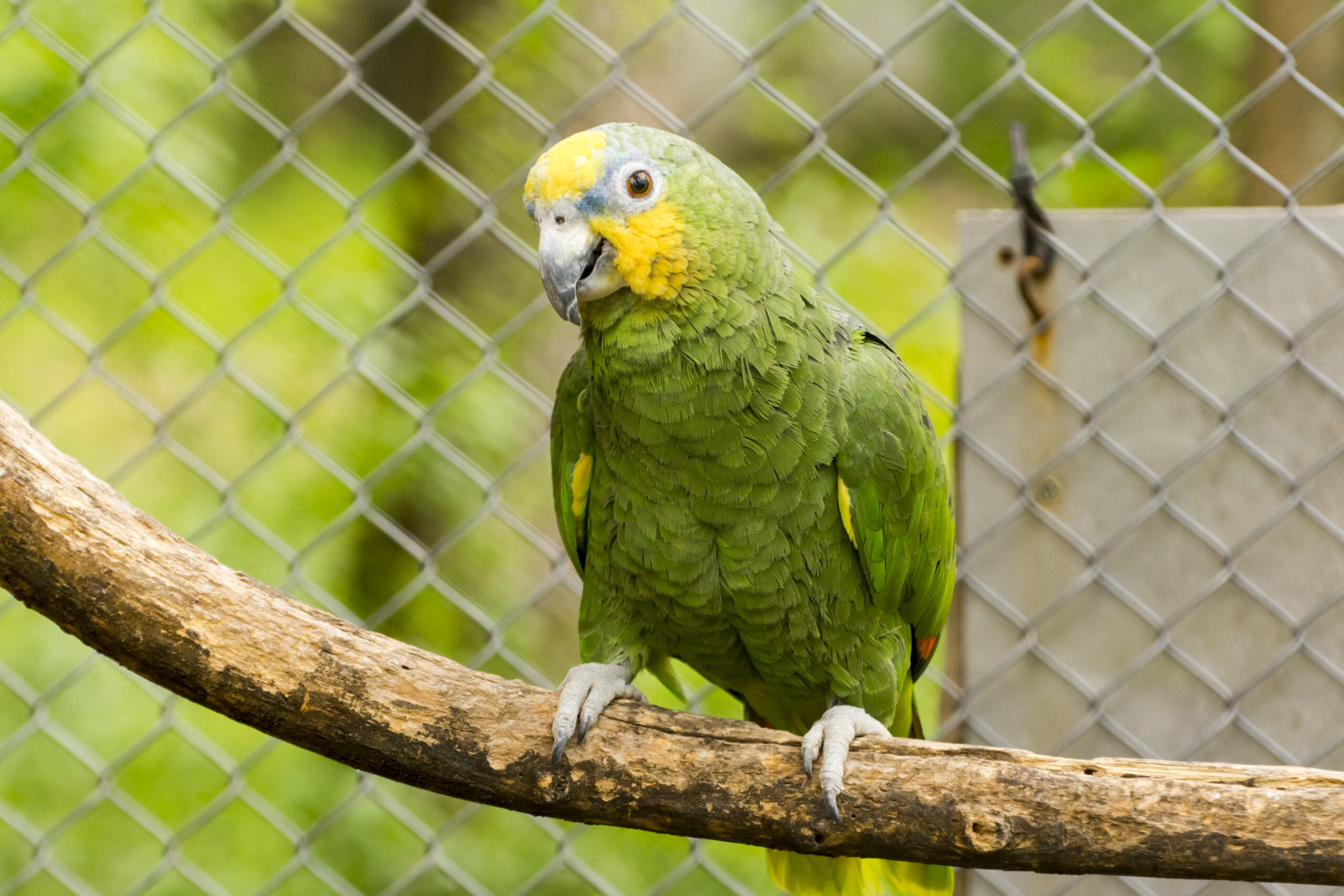
Orange-winged amazon (Amazona amazonica)
Order: Psittaciformes
Family: Psittacidae
IUCN Red List: LC (Least concern)

II.
Habitat
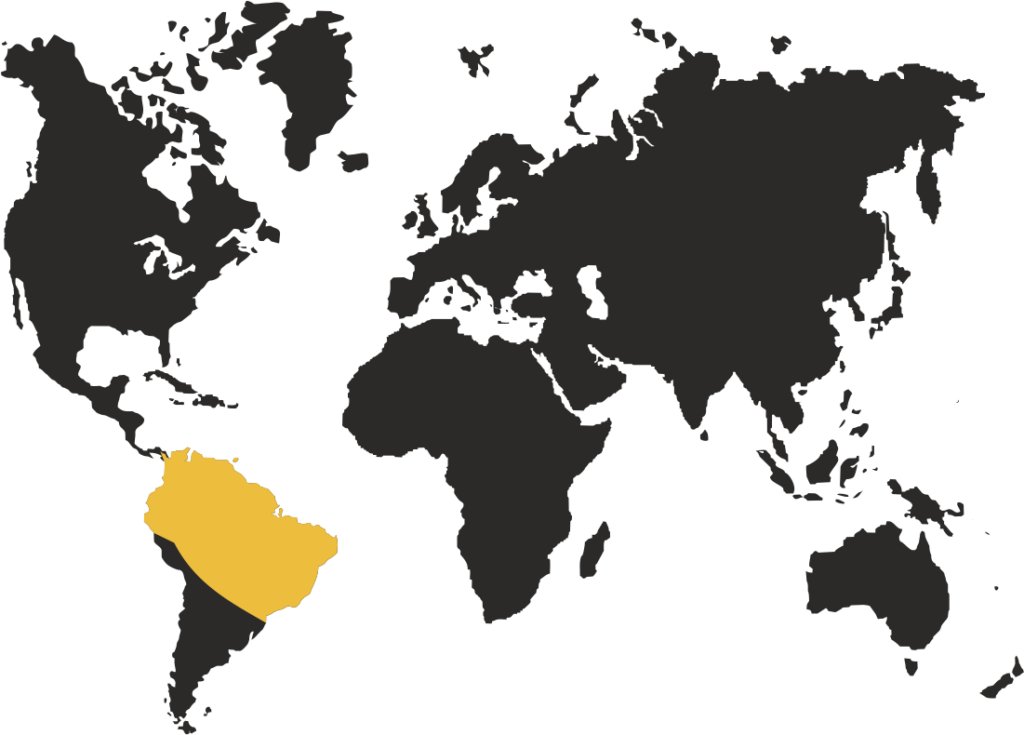
In its native range, it primarily inhabits woodlands, where it can be seen in pairs, small groups, or even colonies numbering in the thousands.
Information
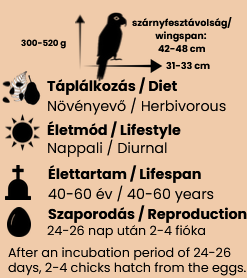
Diet: Its diet primarily consists of seeds, fruits, and flowers. On plantations, they often consume crops such as mangoes and oranges. Their beaks are well-adapted for cracking open and breaking down their food.They are known for their ability to mimic sounds and they choose a partner for life.
It builds its nest very high up in the hollows of dried-out trees. The female incubates the eggs, leaving the hollow only rarely and for brief periods, during which the male provides her with food. The male does not enter the hollow even at night, instead resting on a nearby branch. Distinguishing between the two sexes is difficult; an accurate result can only be obtained through medical examination (DNA or endoscopic sexing). It is considered a medium-sized parrot.
Brightly colored parrots and those masterful at mimicry have long been popular pets worldwide. However, human greed has pushed many species to the brink of extinction. Due to high demand, they are bred in many locations; nevertheless, the mass trapping of wild individuals remains common today. This persists despite international regulations and monitoring, which strictly prohibit the trade of many protected species.