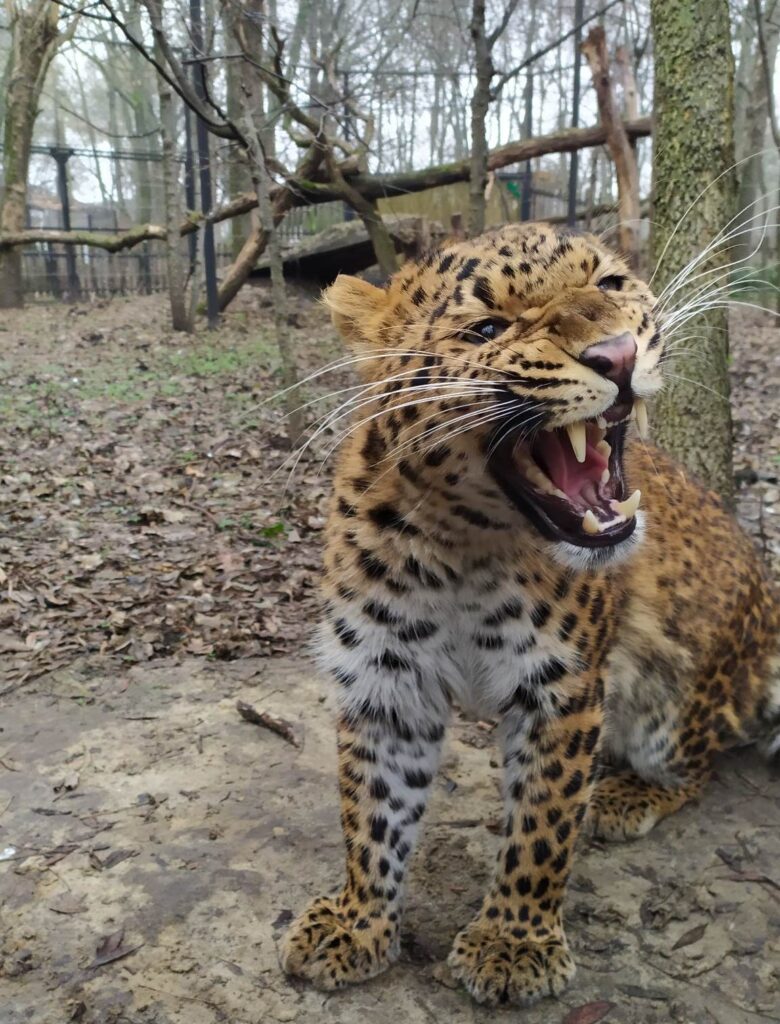
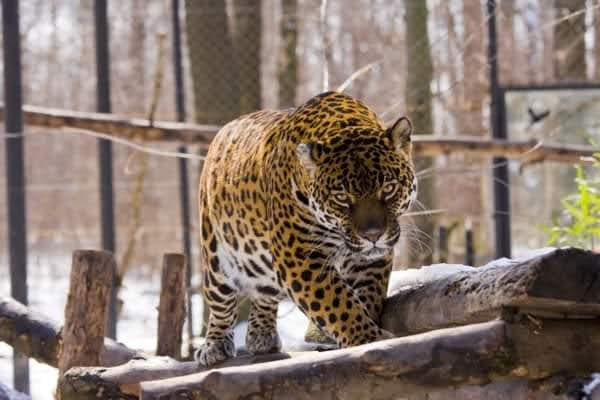
North Chinese Leopard (Panthera pardus japonensis)
Order: Carnivora
Family: Felidae
IUCN Red List: VU (Vulnerable)


I.
Habitat
Forested, shrubby and rocky areas of Asia

Informations
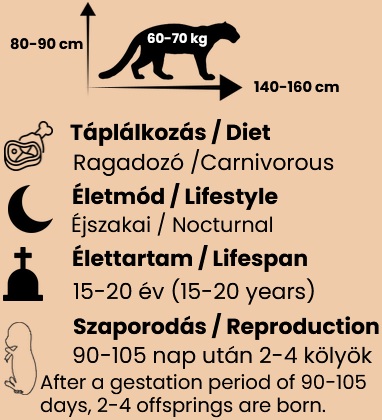
The North Chinese leopard is one of the northernmost subspecies of the leopard. Because of this, it is generally larger and has a thicker, denser coat than its tropical relatives, which helps it adapt to the colder climate of northern China. The terms “panther” and “leopard” are simply different names for the same species.
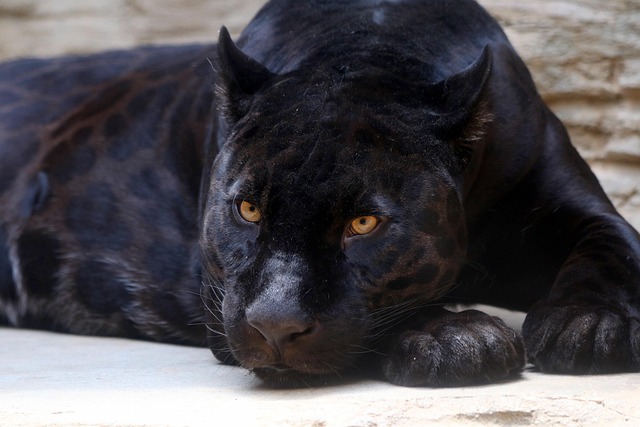
The coat color of leopard subspecies varies depending on their habitat. In some regions the fur may appear brighter, while in others it is more pale, helping the animal blend into its surroundings. There is also a special variation known as the black panther. This is not a separate subspecies but a color variant caused by melanism, which is more common in Asia. Although these animals appear completely black at first glance, the characteristic leopard spots can still be seen when sunlight falls on their fur at certain angles.
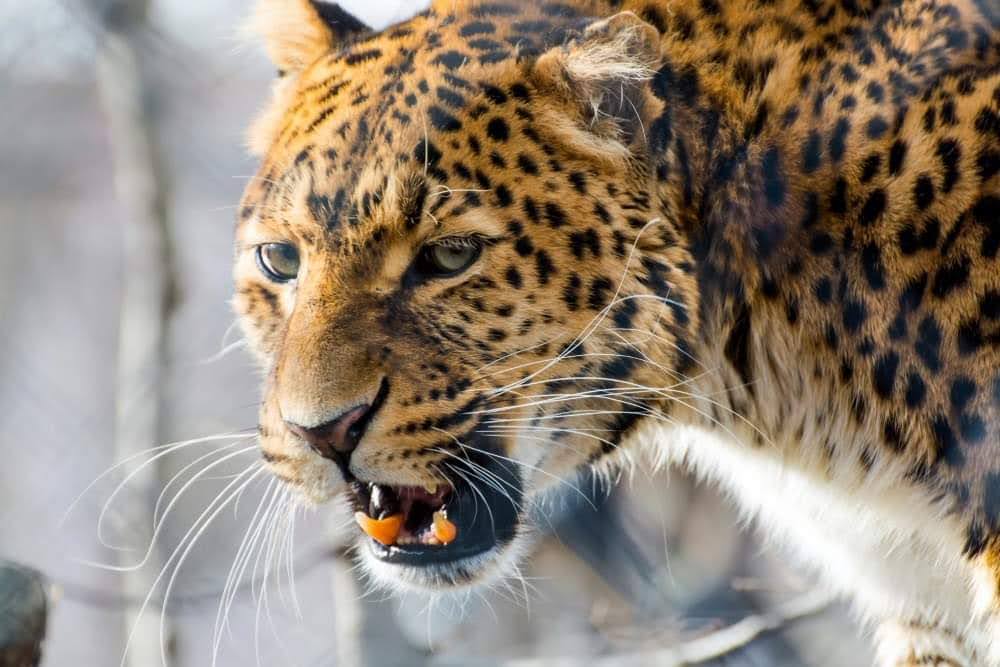
Leopards are solitary and highly secretive animals. They are excellent climbers and also strong swimmers. Their impressive hunting skills are demonstrated by the fact that they are among the main predators of monkeys, which are known for their caution and ability to defend themselves in groups.
Because they are skilled hunters of primates, leopards can also pose a danger to humans. As with monkeys, they are more likely to attack children, who are smaller and easier prey.