
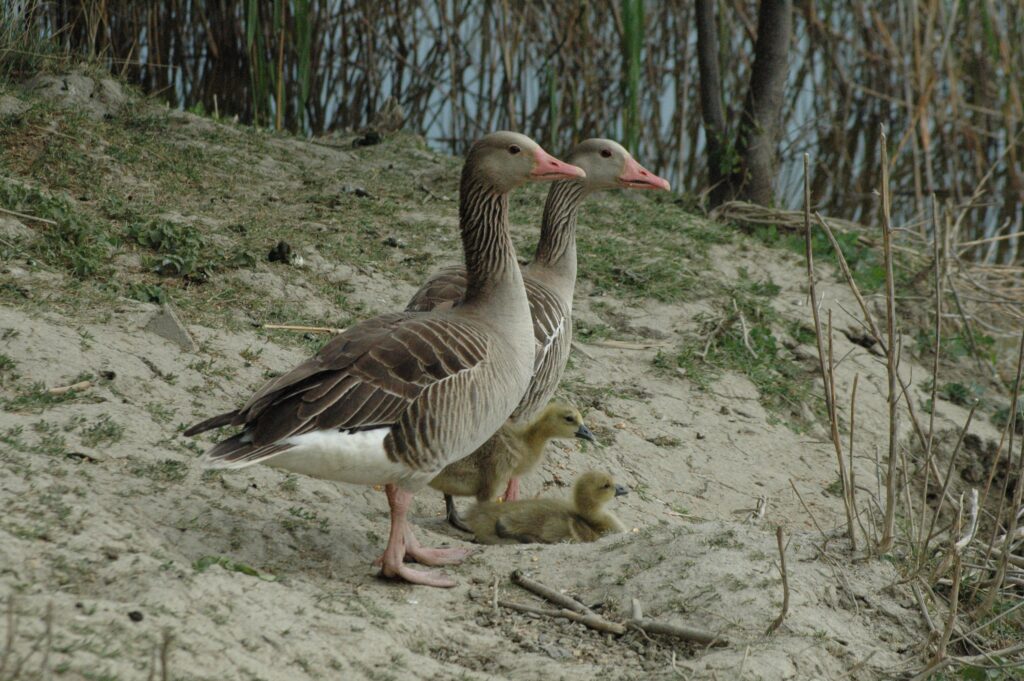
Greylag Goose (Tadorna tadorna)
Order: Anseriformes
Family: Anatidae
IUCN Red List: LC (Least concern)
Habitat
Marshlands and wetlands of Europe and Asia
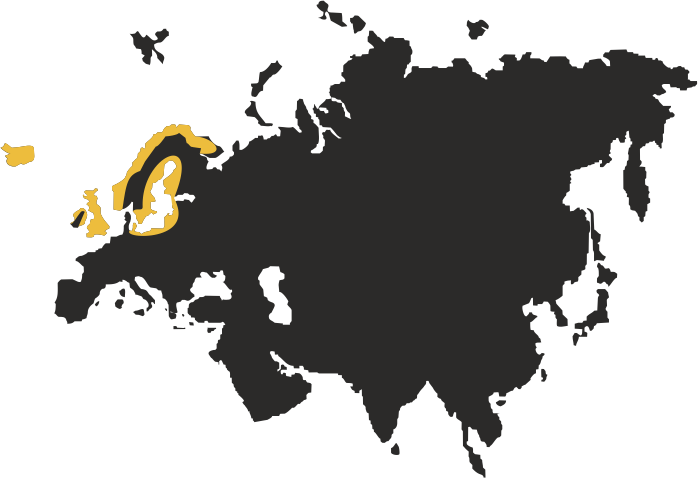
Informations
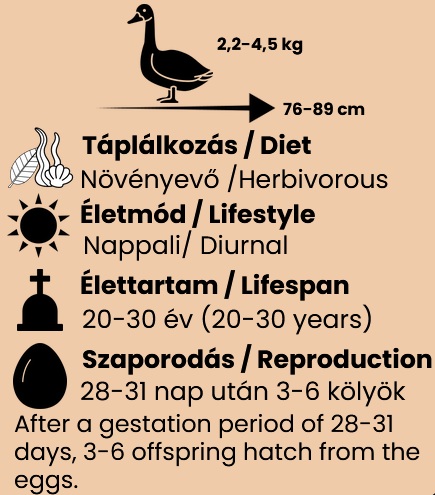
The greylag goose is the only wild goose species that regularly breeds in Hungary. Important nesting areas include the Hortobágy region, Lake Velence, Lake Fertő and the Kis-Balaton wetlands. One of its most remarkable resting sites is the Old Lake of Tata, a unique bird habitat in Europe that is almost completely surrounded by a town. In autumn, from the end of September, large flocks of geese arrive here to spend the winter. These birds mainly come from breeding grounds in Scandinavia and Siberia. During the day they feed in the surrounding fields, then return to the lake at sunset. Every November the “Wild Goose Festival” attracts thousands of visitors who gather to watch the spectacular evening arrival of the birds.
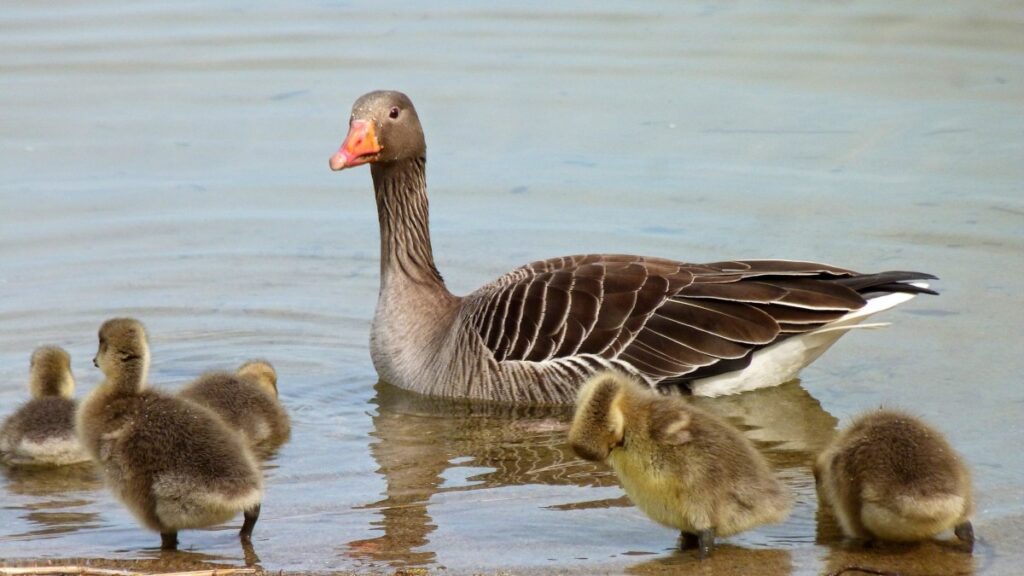
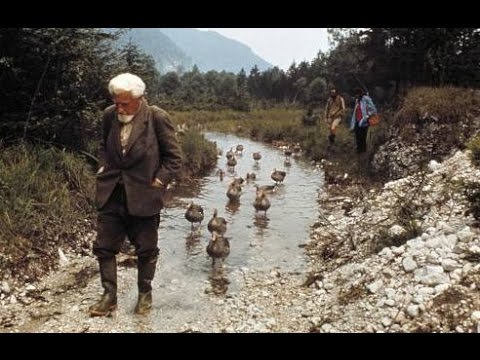
The greylag goose also played an important role in the history of science. Konrad Lorenz, one of the founders of modern ethology, studied this species from a young age. Through experiments with greylag geese he described in detail the phenomenon of early imprinting. His observations showed that within the first 13–16 hours after hatching, the first moving object a gosling sees can leave a lasting impression. If the young birds do not see their mother during this time but another moving object of similar size, they begin to follow that instead — in Lorenz’s famous case, it was his boots. The phenomenon was first described in the 19th century by Douglas Spalding, later rediscovered by Oskar Heinroth, and eventually made widely known through Lorenz’s work with greylag geese.