
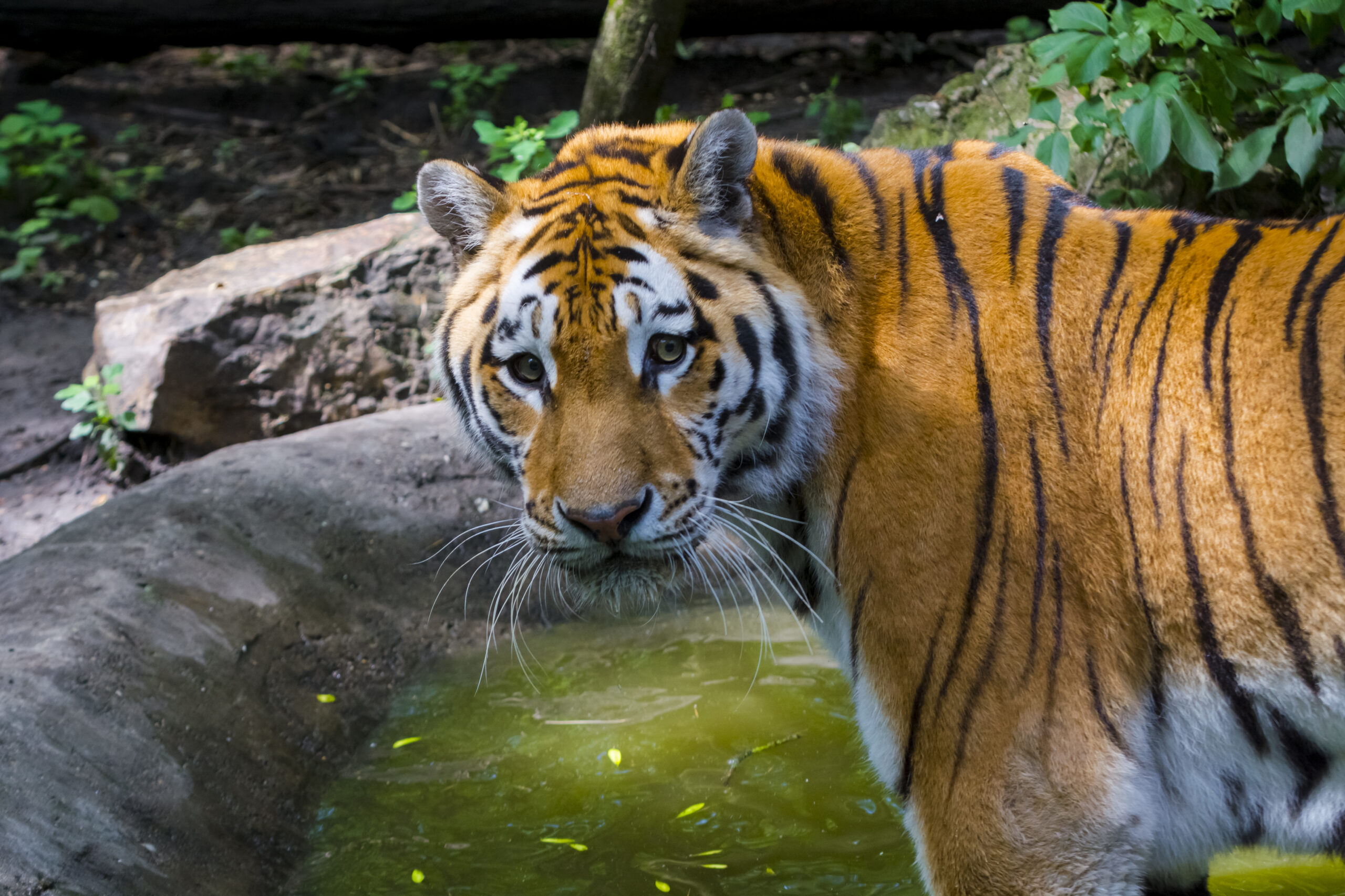
Siberian tiger (Panthera tigris altaica)
Order: Carnivora
Family: Felidae
IUCN Red List: EN (Endangered)


I.
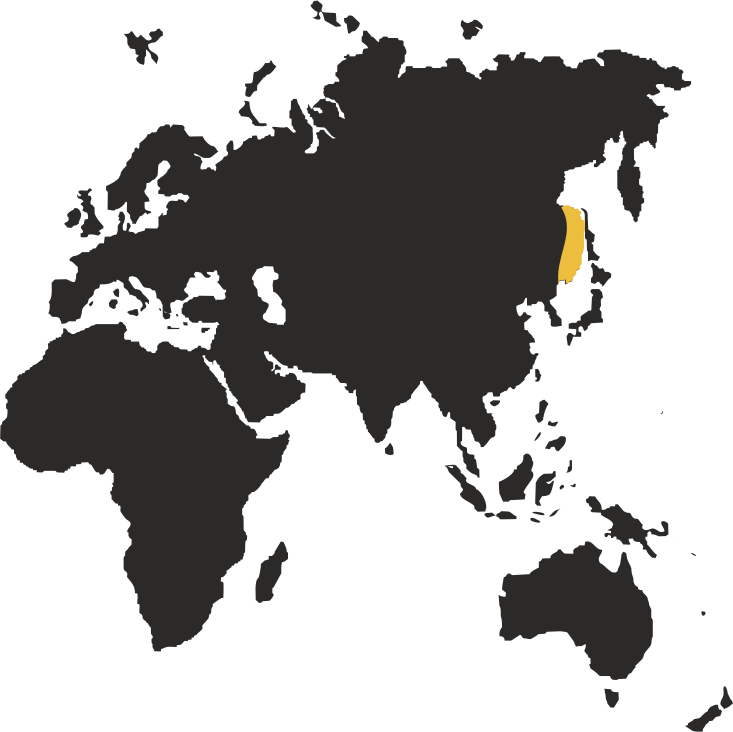
Habitat
The Russian Far East (Siberia), the Amur region, Northeast China
Informations
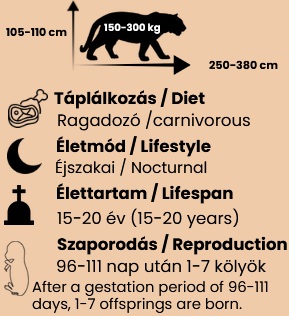
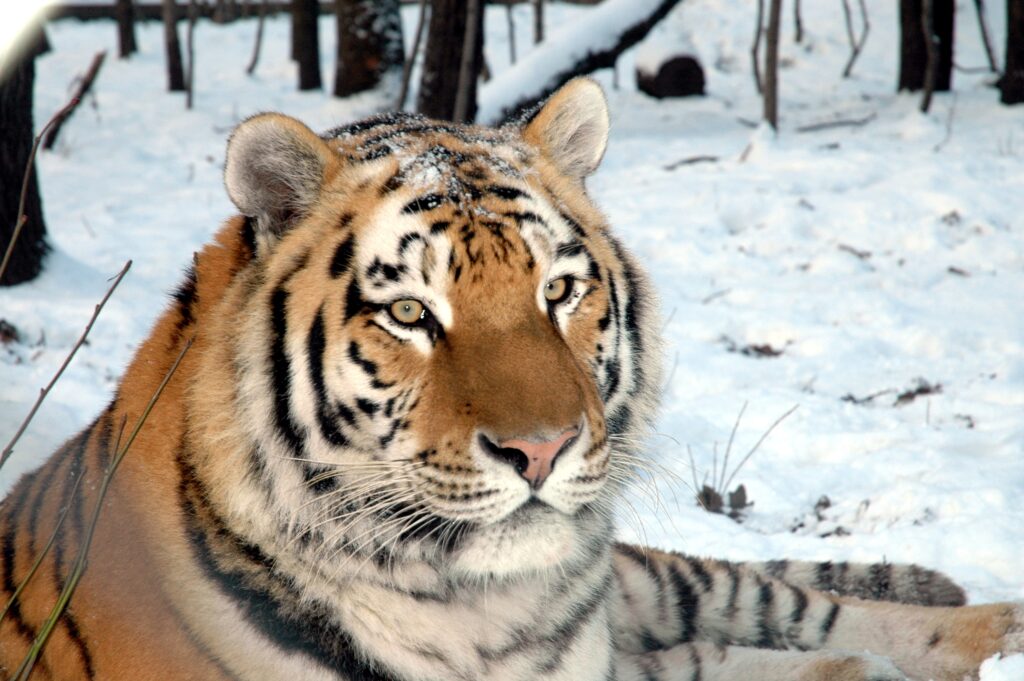
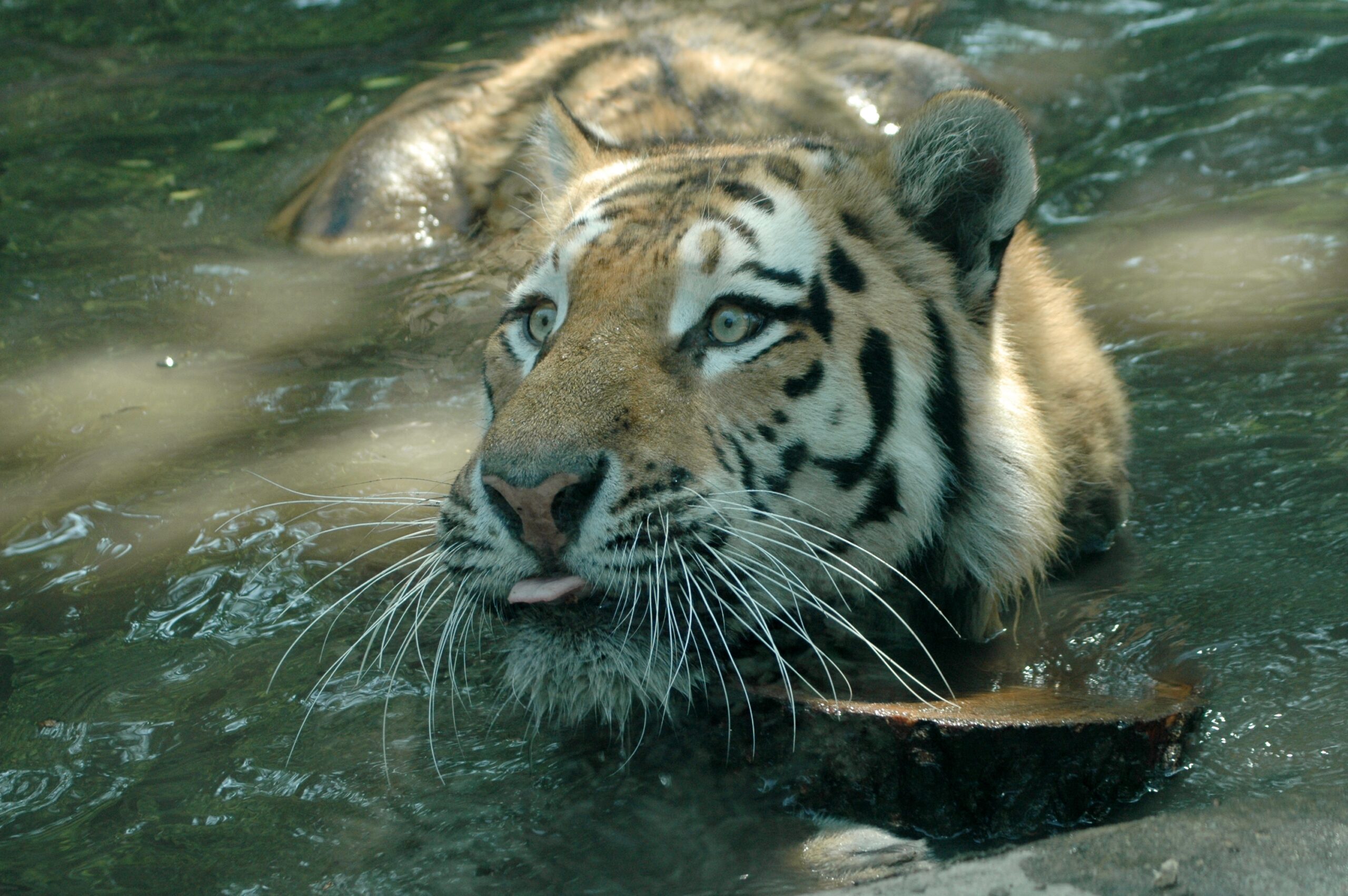
Like the leopard, the tiger has several subspecies distributed across different regions of Asia. Among them, the Siberian tiger is the largest in body size—larger even than the lion—making it the largest member of the cat family in the world. Males can reach a total body length of up to 3.8 meters including the tail. Their large body size helps them adapt to cold climates by reducing heat loss. Each tiger has a unique stripe pattern, similar to a fingerprint, which is also visible on the skin beneath the fur.
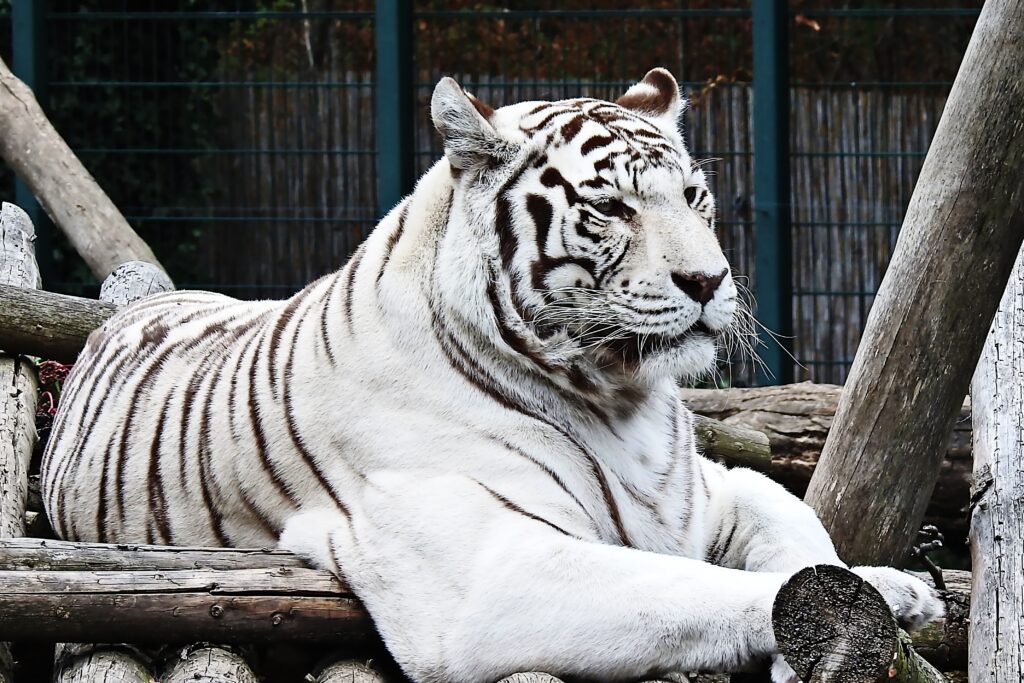
The white tiger is a very rare color variant of the Bengal tiger. All white individuals living in zoos today are descendants of a male named Mohan, captured in 1951. The white coloration is rare not only because it is genetically uncommon, but also because white cubs are less well camouflaged, making them more vulnerable to predators. White tigers are typically maintained through inbreeding, which lowers their conservation value.
Today, more Siberian tigers live in zoos than in the wild. The primary reason for their ruthless hunting has been the belief in their use in traditional Chinese medicine, although scientific studies have shown that no part of the tiger has any proven medicinal effect.