
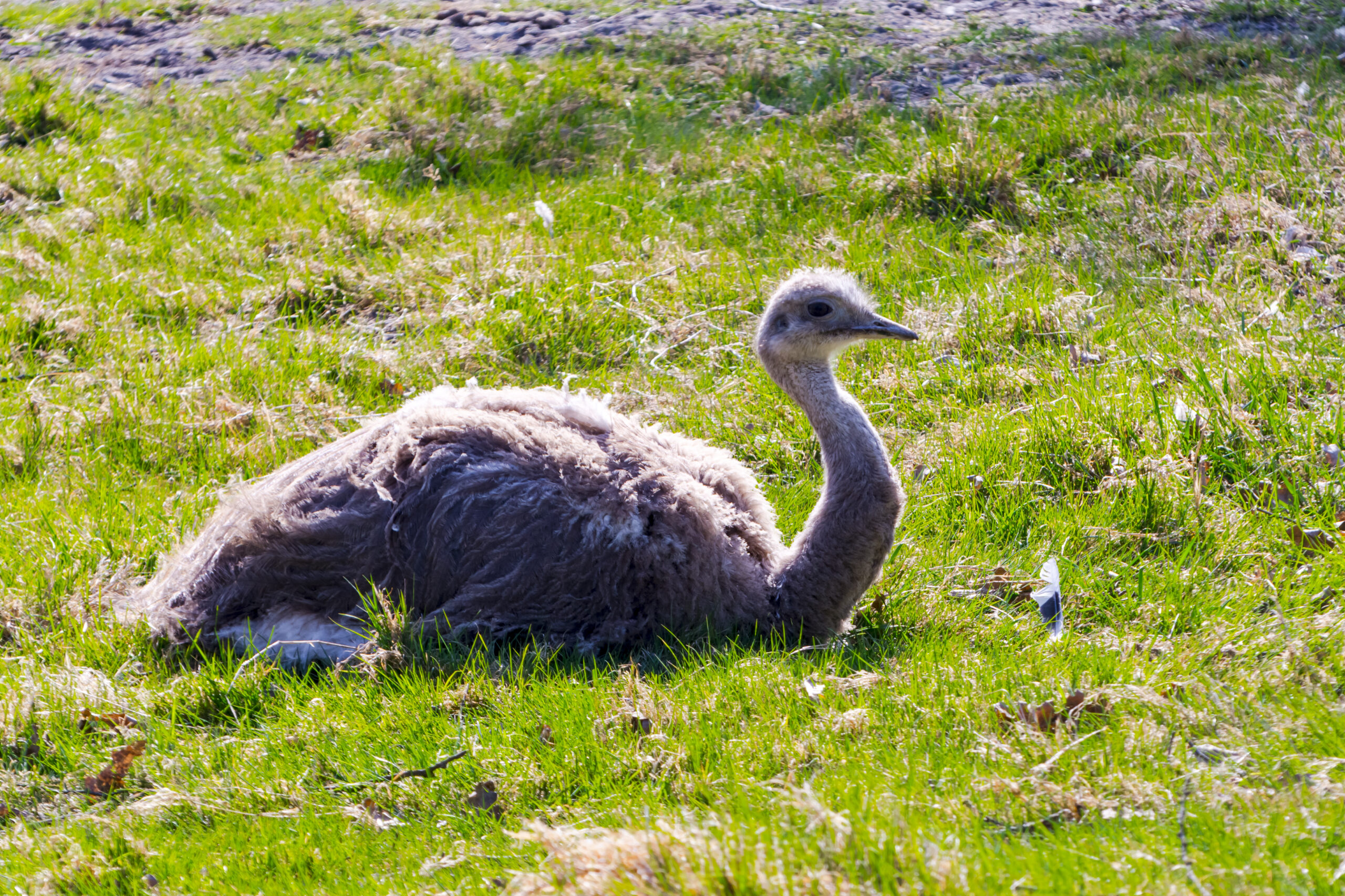
Lesser rhea (Rhea pennata)
Order: Struthioniformes
Family: Rheidae
IUCN Red List: LC (Least Concern)


I.
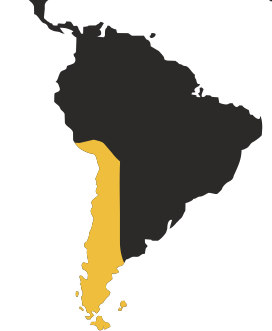
Habitat
South America.
Information
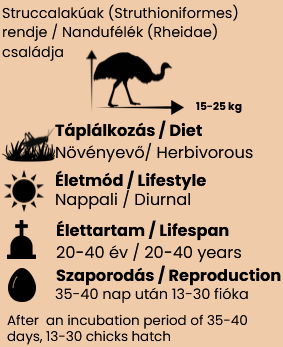
Diet: herbivorous. Its diet is primarily plant-based, consisting of leaves, seeds, and fruits, though it also consumes insects in smaller quantities.
The Lesser rhea (also known as Darwin’s rhea) is similar in appearance to the Greater rhea but has a smaller, more fragile build, and the tips of its feathers are white. It prefers open plains and is often found near lakes or rivers. It is a flightless bird that uses its wings for maneuvering while running. It has three toes on each foot. Juveniles are more brownish in color and lack the white spots; the characteristic adult plumage develops in their third year.
Its eggs are whitish or pale yellow, and the male is responsible for incubating them. During his travels in Patagonia, Charles Darwin heard rumors of a smaller, very rare rhea species. He searched for it but could not find a trace. In December 1833, his crew shot a guanaco and a rhea for their Christmas dinner. After the bird had been partially eaten, Darwin realized it might be the elusive species. He collected the remaining parts—some of which were already cooked—and sent them to an ornithologist. The expert confirmed it was a previously unknown species and named it after Darwin in his honor.