
Asiatic elephant (Elephas maximus)
Order: Proboscidea
Family: Elephantidae
IUCN Red List: EN (Endangered)

I.

Habitat
Grasslands, evergreen and deciduous forests, and scrublands of Asia

Information
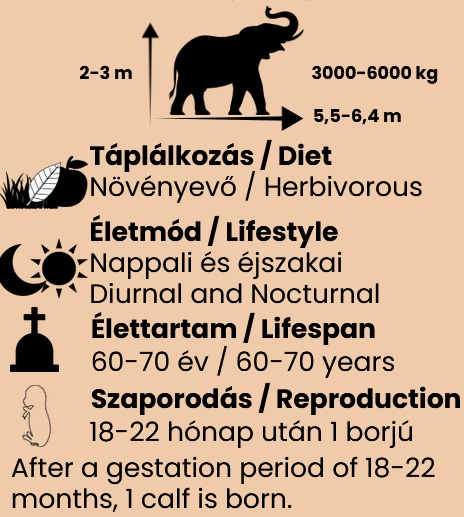
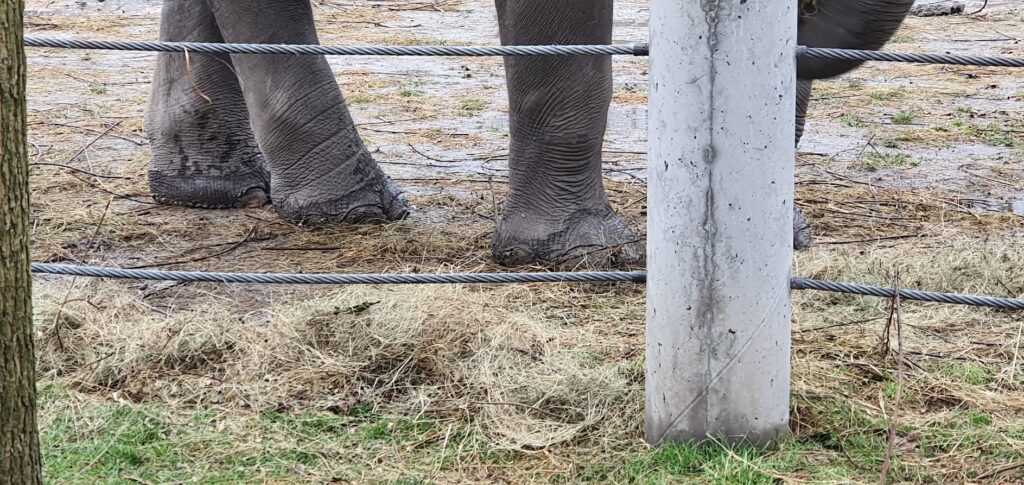
The Asiatic elephant is smaller and lighter than the African elephant. It typically weighs 3–5 tonnes and stands approximately 2.5–3 metres tall at the shoulder. Its body is stockier, its back is slightly rounded, and its ears are considerably smaller. There is a single finger-like projection at the tip of its trunk. The soles of its feet are flexible and cushion-like, absorbing the impact of each step and making the elephant’s movements surprisingly quiet. It usually has five toenails on each front foot and four on each hind foot.
Not all Asiatic elephants have tusks; these occur mainly in males. Elephants are exceptionally intelligent, have excellent memories and are capable of forming complex social relationships. They live in matriarchal herds led by an older, experienced female. Their vocalisations include not only sounds audible to humans but also infrasound, which can travel 5–10 kilometres and, under favourable conditions at night, as far as 30 kilometres.
During the summer, the elephants love bathing and can often be seen splashing in their pool.
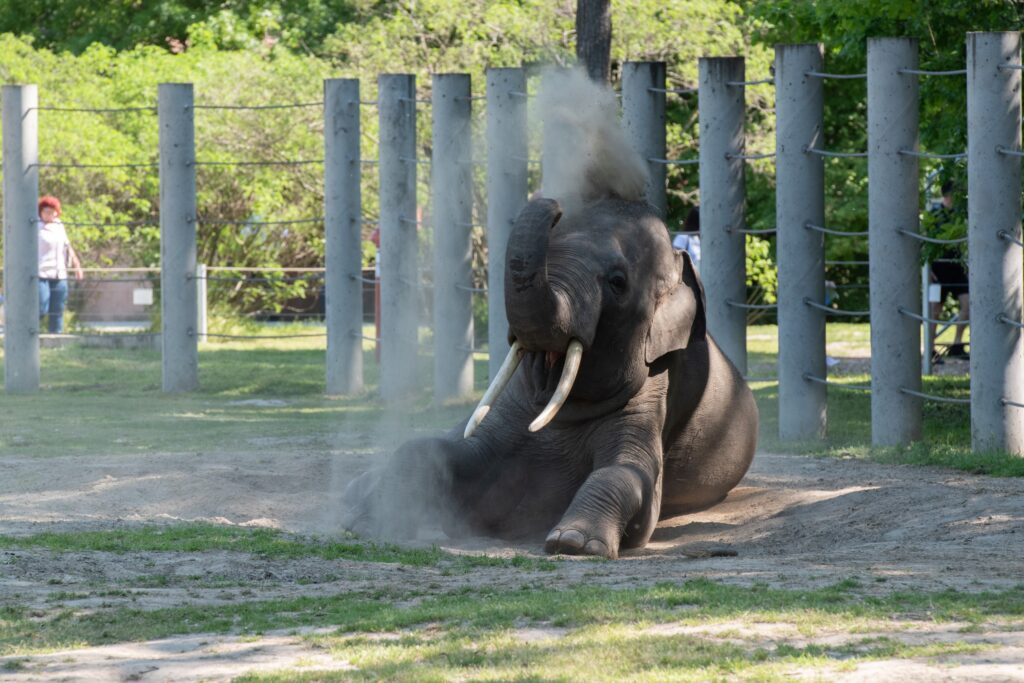
Although their skin is thick, blood-sucking insects and other parasites can still bother them. They throw sand onto their wet skin, creating an additional protective layer.
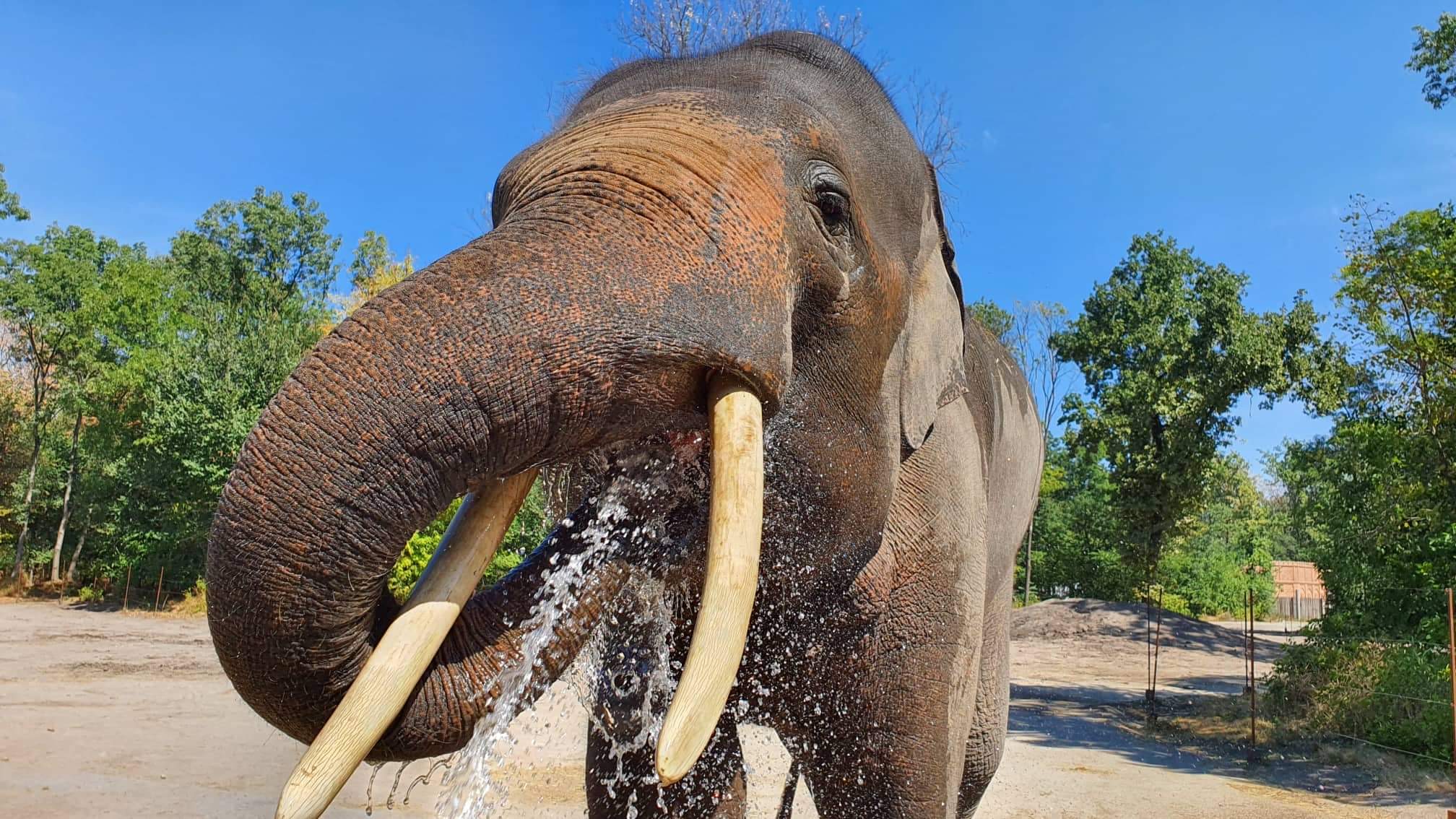
The trunk of an Asiatic elephant is one of the most remarkable and complex parts of its body.
- The trunk evolved from the fusion of the nose and upper lip.
- It contains more than 40,000 muscles. By comparison, the entire human body contains approximately 600 muscles.
- It contains neither bones nor cartilage.
- Its primary functions are breathing and smelling. An elephant can detect water or other elephants from several kilometres away.
- The trunk helps with drinking, but the elephant does not drink through it. It can draw approximately 8–10 litres of water into its trunk before spraying the water into its mouth.
- An Asiatic elephant has one finger-like projection at the tip of its trunk, while an African elephant has two. Even with this single “finger”, it can pick up a biscuit, a coin or even a blade of grass.
- The trunk is filled with nerve endings, making it extremely sensitive to touch. It also plays an important role in social relationships and communication.
- It is capable of lifting several hundred kilograms.
Elephants are highly intelligent animals and need regular mental and physical stimulation. Without adequate activities, they may develop serious psychological and behavioural problems. Many people believe that animals are forced to participate in training, but this is not the case. Training contributes greatly to their physical and mental well-being, although consistency is essential.
It is easy to imagine how difficult it would be to examine, treat or transport such a large animal. Every exercise performed during training helps with these procedures, as the elephants learn to allow their keepers and the veterinarian to examine them at close range.
Elephants’ feet are very sensitive, so they require regular care, including trimming their toenails. The command to lift a foot makes this possible. The elephant remains still with its foot raised until the trainer signals that it may lower it, allowing routine foot care to be carried out safely.
On request, the elephants also present their trunks. This behaviour is required for tuberculosis screening and also allows staff to examine their mouths and check the condition of their teeth.
The trainers can ask the elephants to move backwards or call them forwards. Elephants trained to follow these instructions can also be guided calmly into a transport container, as it would not be possible to place an anaesthetised elephant inside one safely.
Training is based on positive reinforcement. The elephants are rewarded for correctly completing a task and are not punished if they make a mistake. Their rewards include biscuits and apples, followed by a generous portion of hay at the end of the session.


Each elephant consumes approximately 100–150 kilograms of food per day, divided into three portions. Around 30% of this consists of vegetables and fruit, while the remaining 70% is hay.
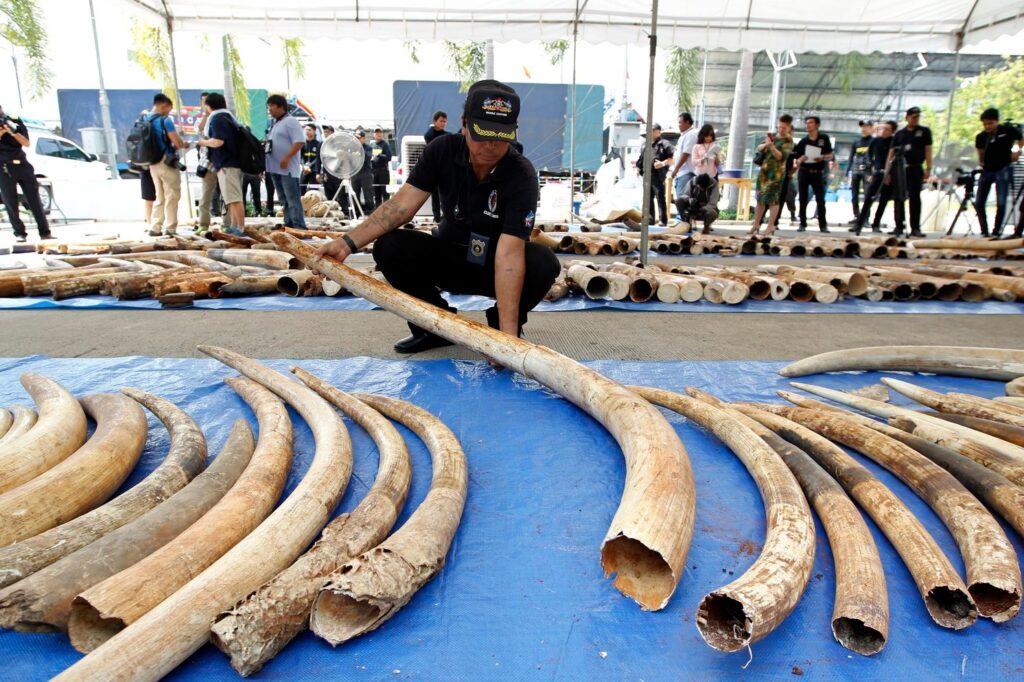
In their natural habitat, Asiatic elephants can live for 60–70 years. The species is endangered. In addition to habitat loss and fragmentation, poaching poses one of the greatest threats to its survival, as there is still considerable demand for objects made of ivory. Several sanctuaries have been established to protect the species, many of which care for rescued or injured elephants. A European conservation breeding programme has also been created to support its long-term survival, and Szeged Zoo participates in this programme.
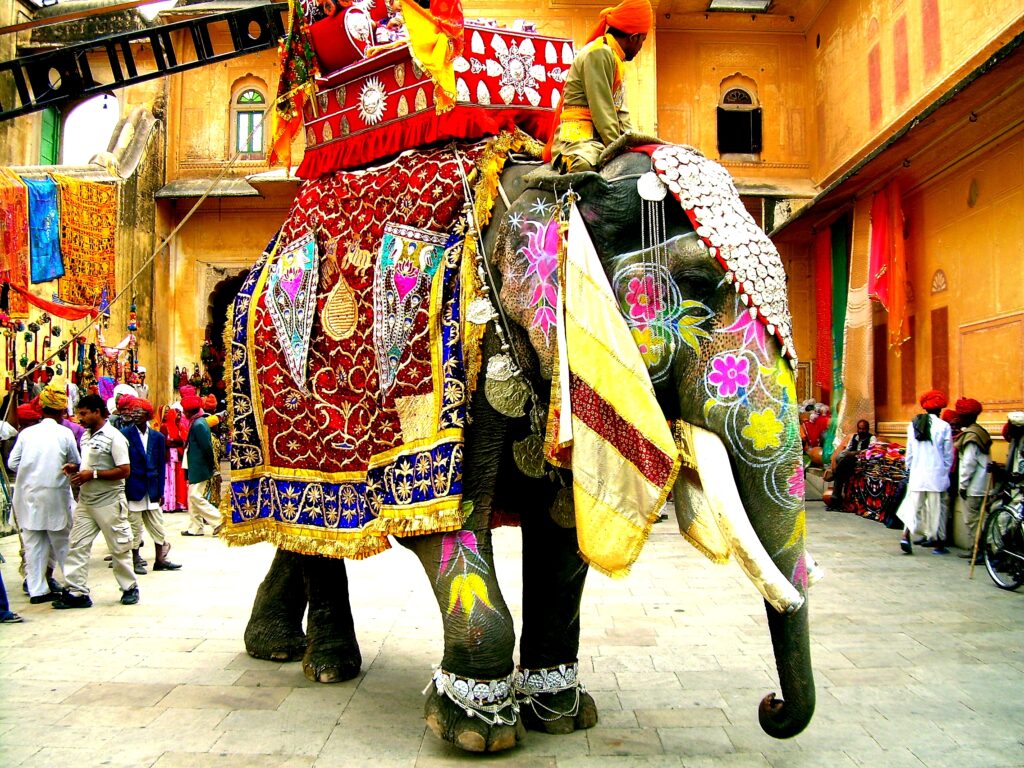
The Asiatic elephant also plays an important cultural and religious role in Asia. In several countries it is revered as a sacred animal and occupies a prominent place in traditions and religious beliefs.