
Linné’s two-toed sloth (Choloepus didactylus)
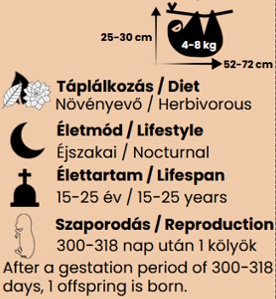
Habitat: Linné’s two-toed sloth is found in the tropical forest canopies of Central America and northern South America, including portions of Brazil and Peru. Linné’s two-toed sloth is strictly arboreal, staying high in the canopy of the tropical rain forests, and maintaining a range of about 10-acres.
Food habits: Linné’s two-toed sloth feed primarily on vegetation, including berries, leaves, small twigs, and fruits, cropping the leaves with their lips. On occasion sloths have been known to eat insects and other small prey.
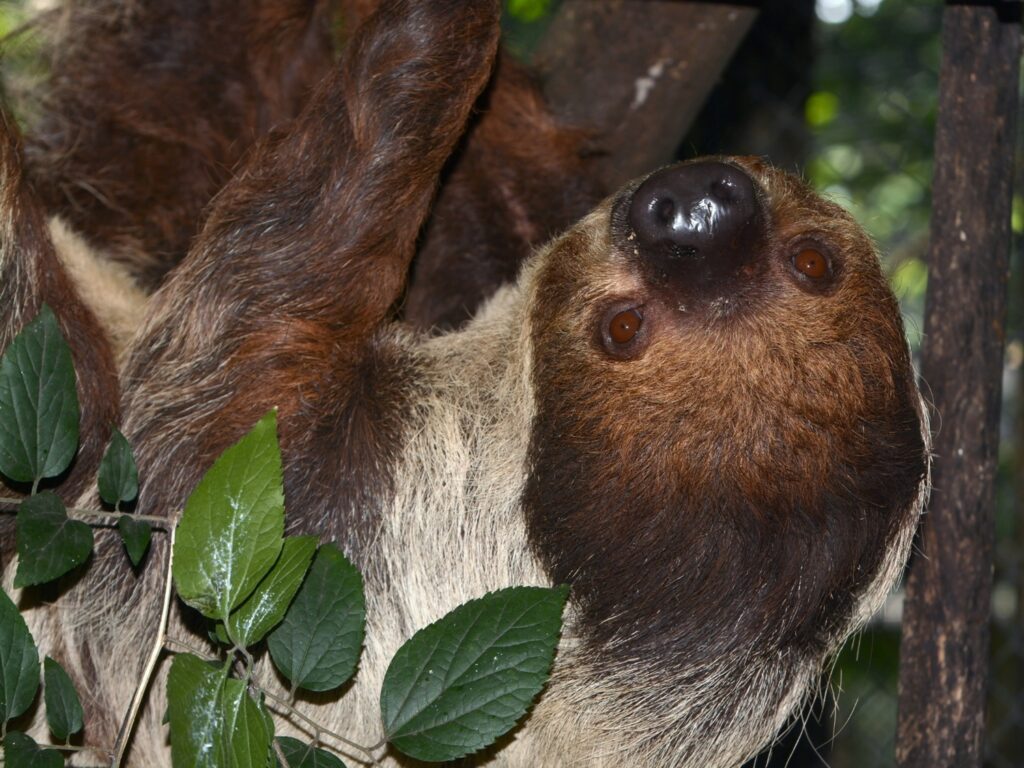
The two-toed sloth, also known as the unau, inhabits the tropical rainforests of South America. It possesses massive claws, which allow it to hang motionless from branches for hours. This stillness also aids in its camouflage. Uniquely among mammals, the direction of its fur growth is reversed—flowing from the belly toward the back—an adaptation for shedding rainwater while hanging upside down.
The sloth is a solitary creature and is among the slowest animals on Earth. It rarely descends from the safety of the canopy to the ground; it typically only does so to move to another tree or to defecate. While its movements are slow, its metabolism is equally sluggish. Their diet primarily consists of leaves, which are low in nutrients and difficult to digest.
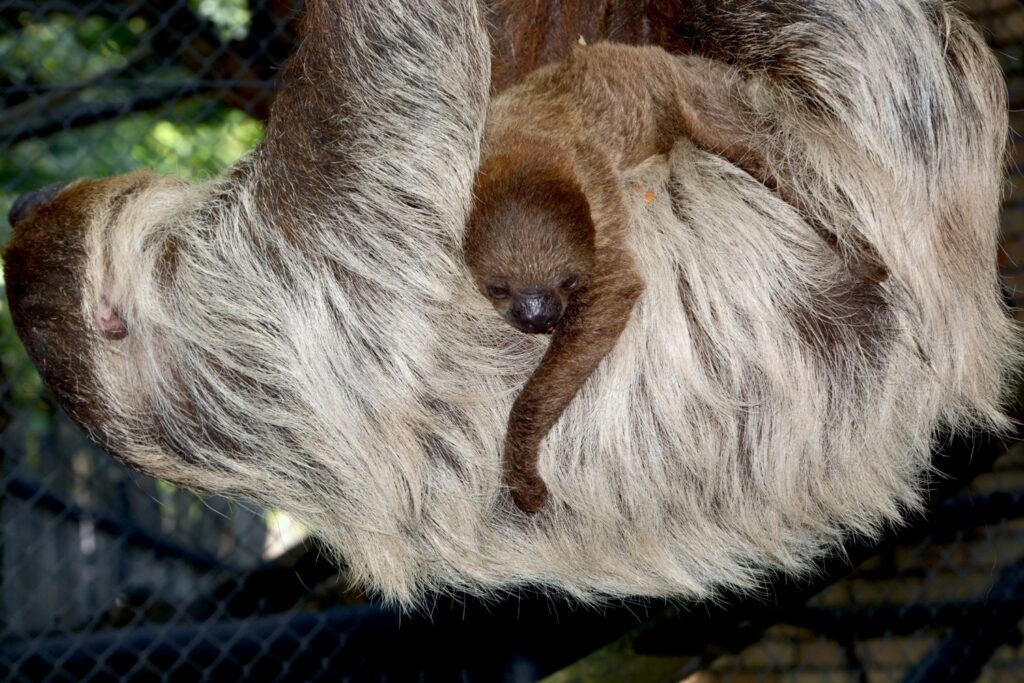
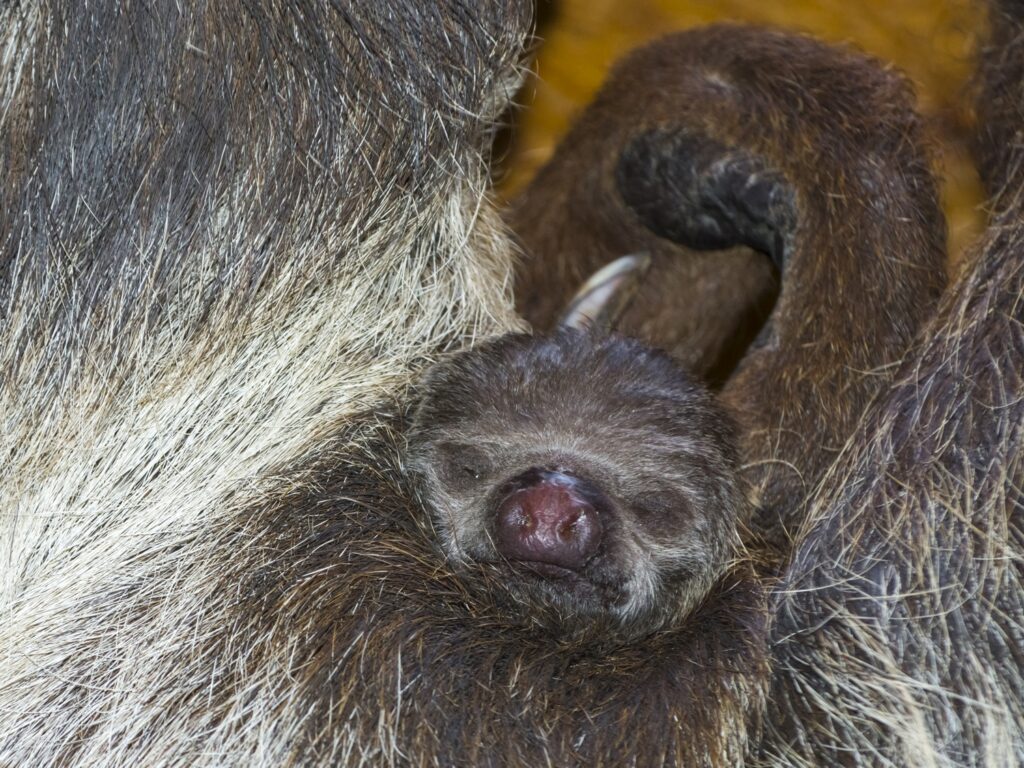
A unique symbiotic relationship exists within the sloth’s fur, where algae reside. During dry periods, the algae turn yellowish, while in wetter conditions, they become bluish-green. This biological phenomenon provides the sloth with an effective seasonal camouflage that mimics the changing colors of the foliage.
Despite its slow nature, the two-toed sloth is a capable swimmer. When threatened, it can defend itself effectively using its formidable claws and sharp teeth.
Pilosa / Megalonychidae
IUCN Redlist: LC (Least Concern)