
Wolverine (Gulo gulo)
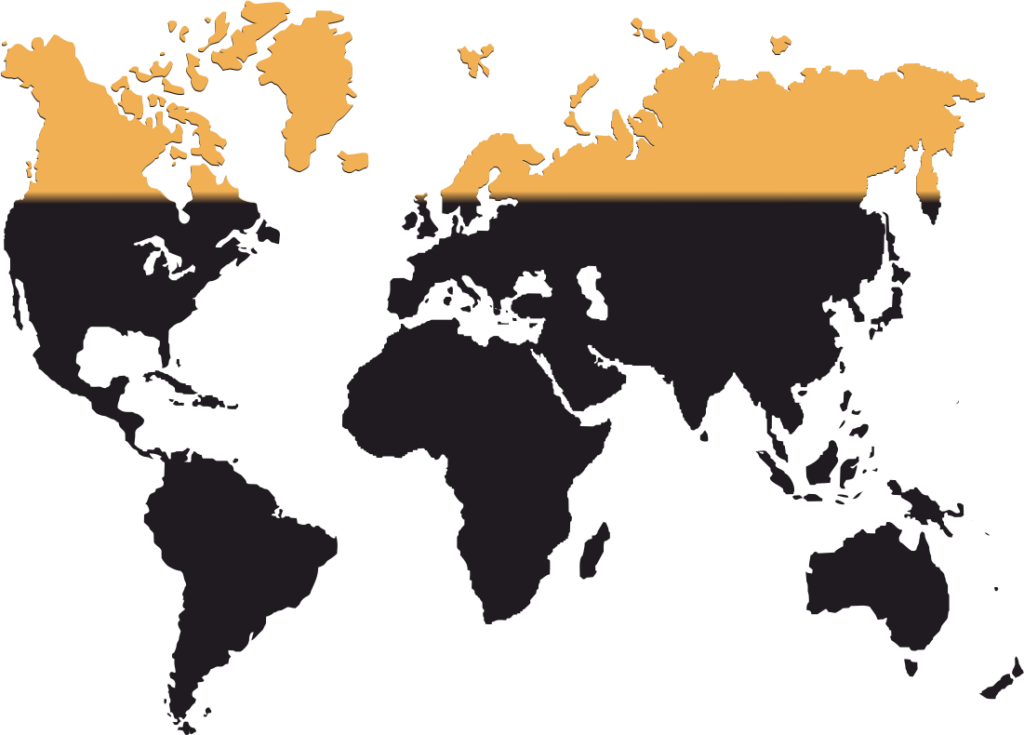
Habitat: North America and northern Eurasia, in the boreal zone of the northern hemisphere. Wolverines are found in Scandinavia and Russia to 50 degrees North latitude. Wolverines are found in alpine forests, tundra, open grasslands, and boreal shrub transition zones at or above timberline.
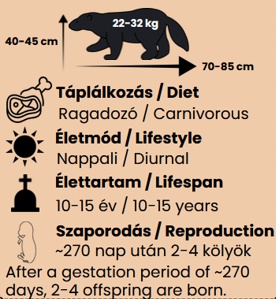
Food habits: carnivorous. The wolverine diet can include anything from small eggs to large ungulates. Large ungulate prey species include reindeer, roe deer, wild sheep, elk or red deer, maral and moose. Wolverines are extremely strong and aggressive for their size, they have been reported to drive bears, cougars, and even packs of wolves from their kills in order to take the carcass. They have also been reported scavenging whale, walrus, and seal carcasses. Female wolverines may hunt more small to medium-sized animals such as rabbits and haares, ground squuirrels, marmots and lemmings, when theay are rearing young.
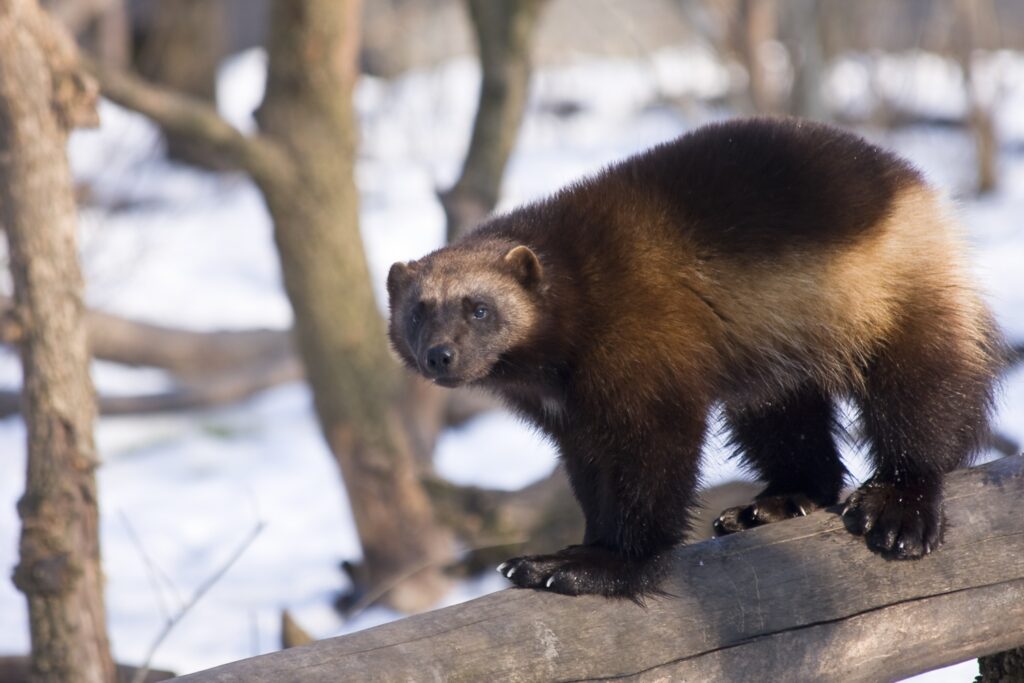
Its body is bear-like and stocky. It is one of the largest species within the mustelid (weasel) family. The wolverine is an extremely powerful animal. In winter, it is even capable of taking down a deer; as the prey sinks into the deep snow, the wolverine leaps onto its back, clings on, and bites its throat. In summer, it preys on smaller animals and even consumes plant-based food.
The male occupies vast territories—ranging from 1,500 to 2,000 km²—which it marks with urine and feces. In winter, it can travel up to 45 km a day in search of food.
Its fur is long and dense, providing excellent protection even in extreme cold. Thanks to its exceptional sense of smell, it can detect prey from a great distance. There is a membrane (webbing) between its toes that prevents it from sinking into the snow. Using its large, powerful claws, it securely grips its victims and easily climbs trees or rocks.
The popular protagonist of the X-Men comics and movies is originally named Wolverine (Rozsomák). Since the wolverine is less well-known in Europe, the name was translated as “Farkas” (Wolf) in the Hungarian versions of the films.
Carnivora / Mustelidae
IUCN Redlist: LC (Least Concern)