
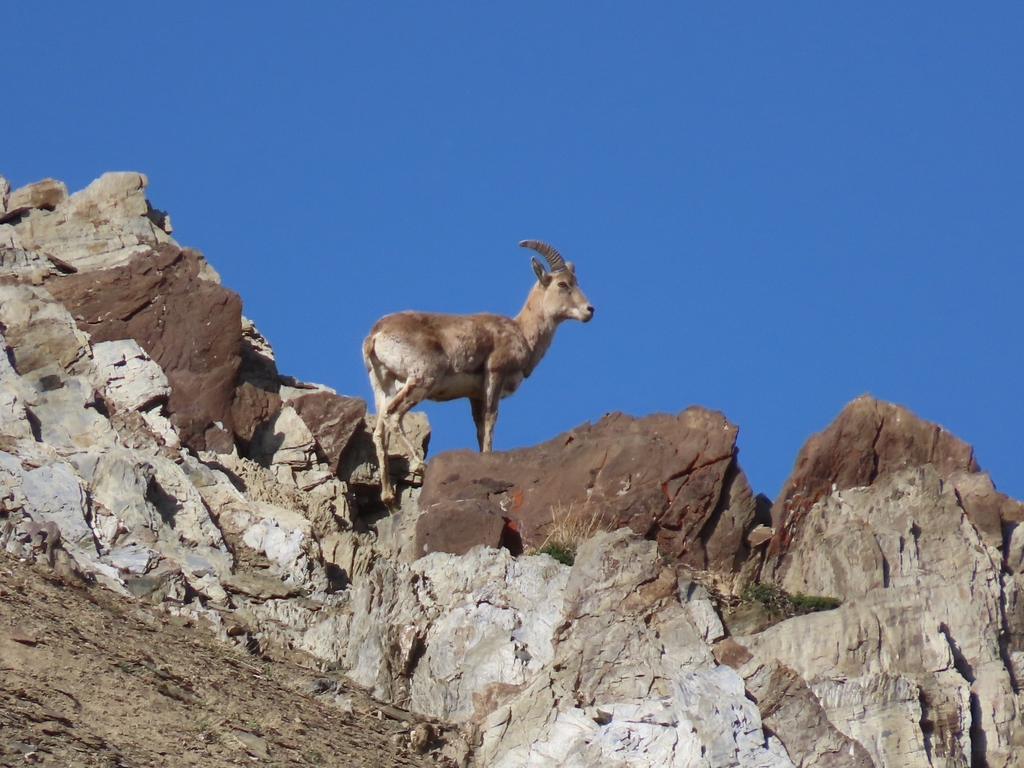
Urial (Ovis vignei)
Order: Artiodactyla
Family: Bovidae
IUCN Red List: VU (Vulnerable)


I.
Habitat
Urials occur at elevations of up to 4,500 meters above sea level.
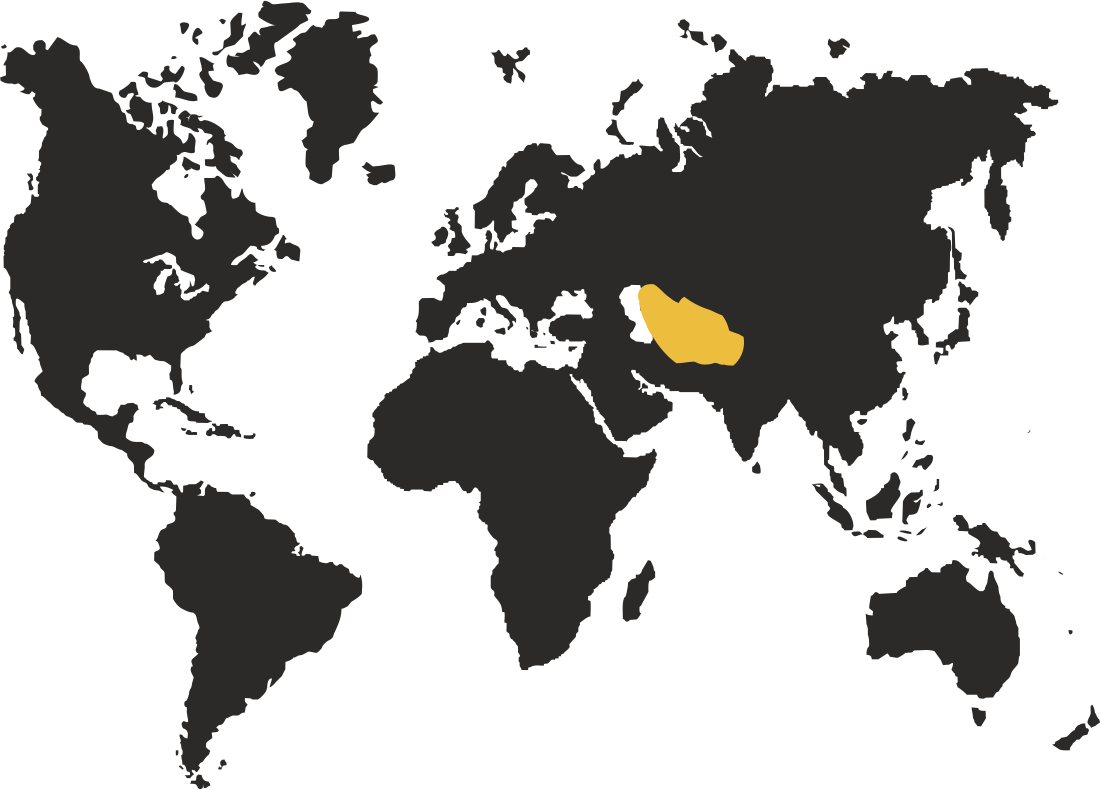
Information
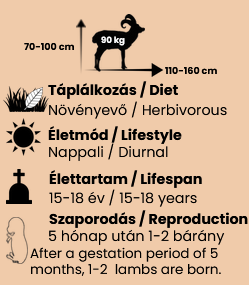
They primarily prefer open, grassy areas but may also appear in agricultural lands and sparse forests. They typically inhabit hilly or mountainous landscapes where open terrain provides a clear view of potential predators.
Diet: herbivorous.
The horns of the males are massive, with the longest recorded specimen measuring 990.6 mm. These horns curve spirally backward and play a crucial role in competition between males. The horns of the females are much smaller and thinner.
Urials are social animals. Group sizes can reach up to one hundred individuals, consisting mainly of females and juveniles. Males live in separate bachelor groups, where their hierarchy is generally determined by horn size. Males of similar size settle their rank through physical clashes; notably, during combat, they do not stand up on their hind legs like rams of many other wild mountain sheep species. They spend most of their day foraging, consuming various grasses and shrubs.
The species is threatened by several factors, including poaching, diseases transmitted from livestock, and habitat loss. Because they live in open areas where humans frequently graze their animals, urials must compete with domestic livestock for food in many regions.