
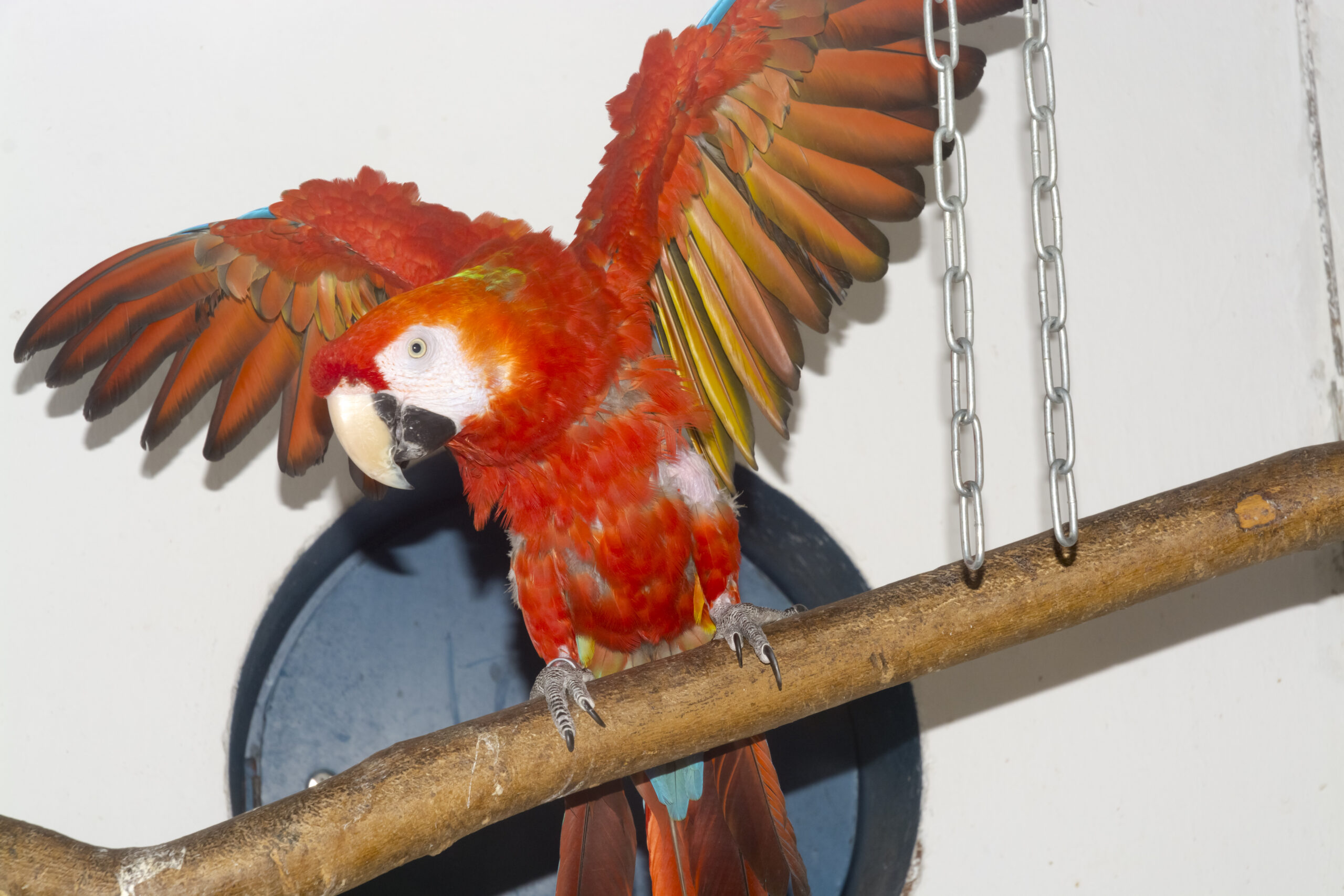
Scarlet macaw (Ara macao)
Order: Psittaciformes
Family: Psittacidae
IUCN Red List: LC (Least Concern)

I.
Habitat
Evergreen forests

Information
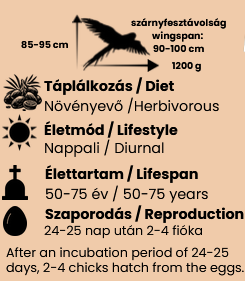
Diet: herbivorous, fruits, nuts, seeds, flowers and nectar.
Scarlet macaws choose a partner for life. The parents do not raise new chicks until the previous ones have become independent. This process takes approximately 1–2 years.
At night, they gather in flocks to sleep. Once they have found a mate, they are rarely seen alone. They build their nests high within the upper canopy of trees.
They often use their left foot to grasp various objects or food, while using their right foot to support themselves. This phenomenon is similar to right-handedness in humans.
Their calls can be heard from several kilometers away. Scarlet macaws are also frequently seen consuming clay from riverbanks. This behavior serves two purposes: first, for detoxification, as they may ingest toxic
Their massive beaks easily cope with the shells of even the hardest seeds. They also enjoy consuming various fruits.
Based on a survey conducted in 2015 within the species’ range, their population was estimated to be only 312–455 individuals.