
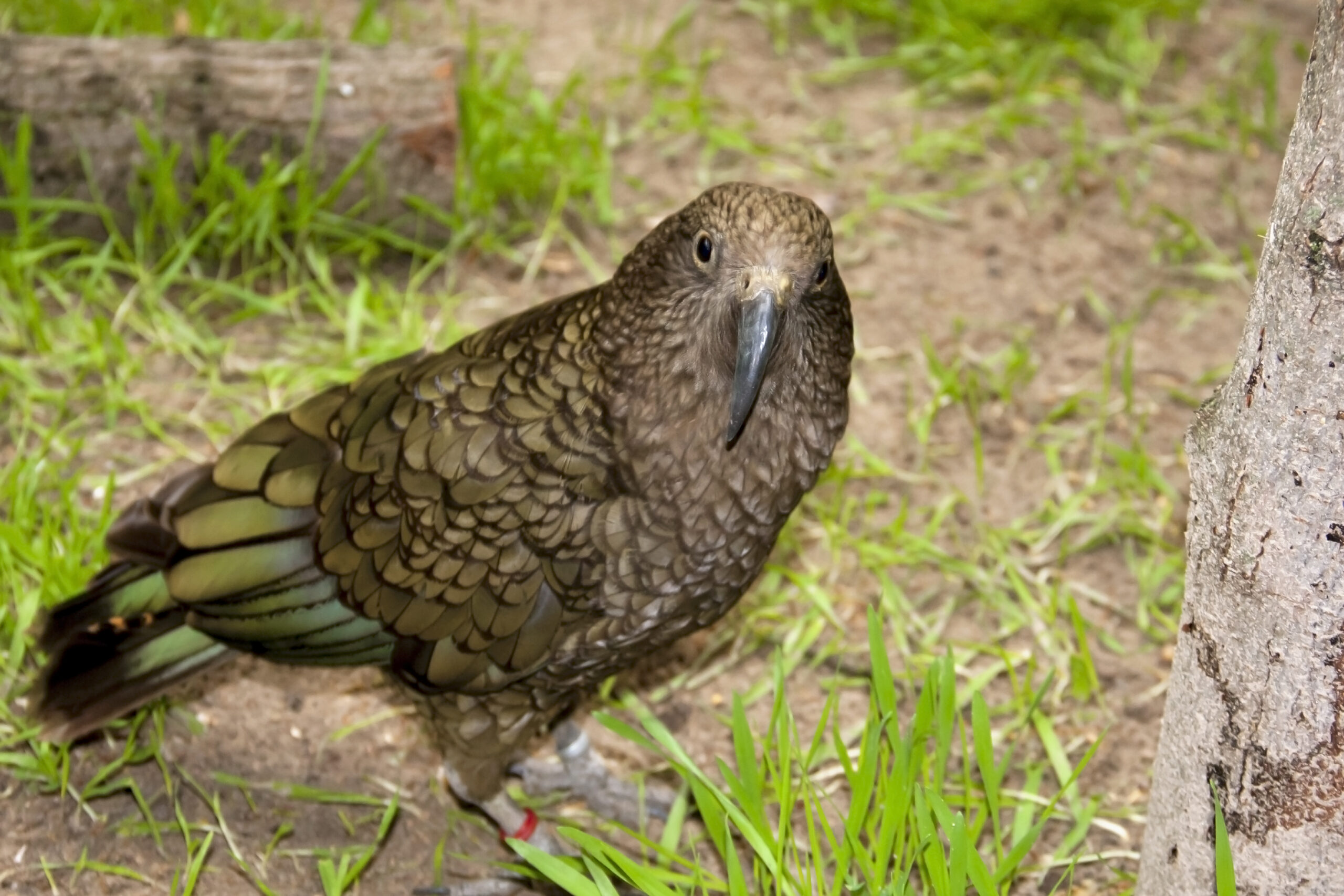
Kea (Nestor notabilis)
Order: Psittaciformes
Family: Strigopidae
IUCN Red List: EN (Endangered)


II.
Habitat
Kea is endemic to the forested and alpine regions of the South Island of New Zealand.
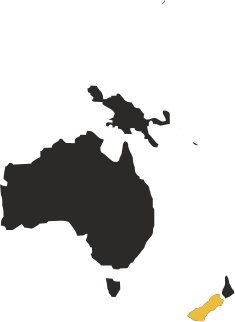
Information
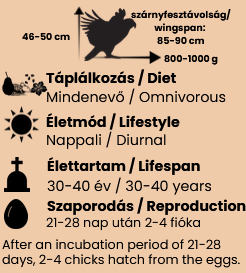
Diet: They are omnivores, consuming leaves, buds, nectar, berries, fruits, insects, snails, and carrion. It is not uncommon to find them scavenging through trash heaps in search of food.
Keas sometimes attack wounded or sick sheep to peck at the fat layer beneath their skin. Because they were believed to be a threat to livestock, they were persecuted from the 1860s until the 1970s; more than 150,000 specimens were shot because the government paid bounties for killed keas.
The species was granted protected status in 1986. Currently, according to data from the International Union for Conservation of Nature (IUCN), approximately 3,000–6,000 individuals remain, and this number is steadily declining.
Keas are highly intelligent, social birds. They have a curious nature and often investigate various objects, such as the backpacks of tourists visiting their habitat. Using their powerful beaks, they are capable of damaging car side-mirrors, tearing apart hiking boots, and stealing sunglasses. They are ranked among the most intelligent birds in the world; they can even manipulate locks and lids that are impossible for other animals to open in their quest for food.