
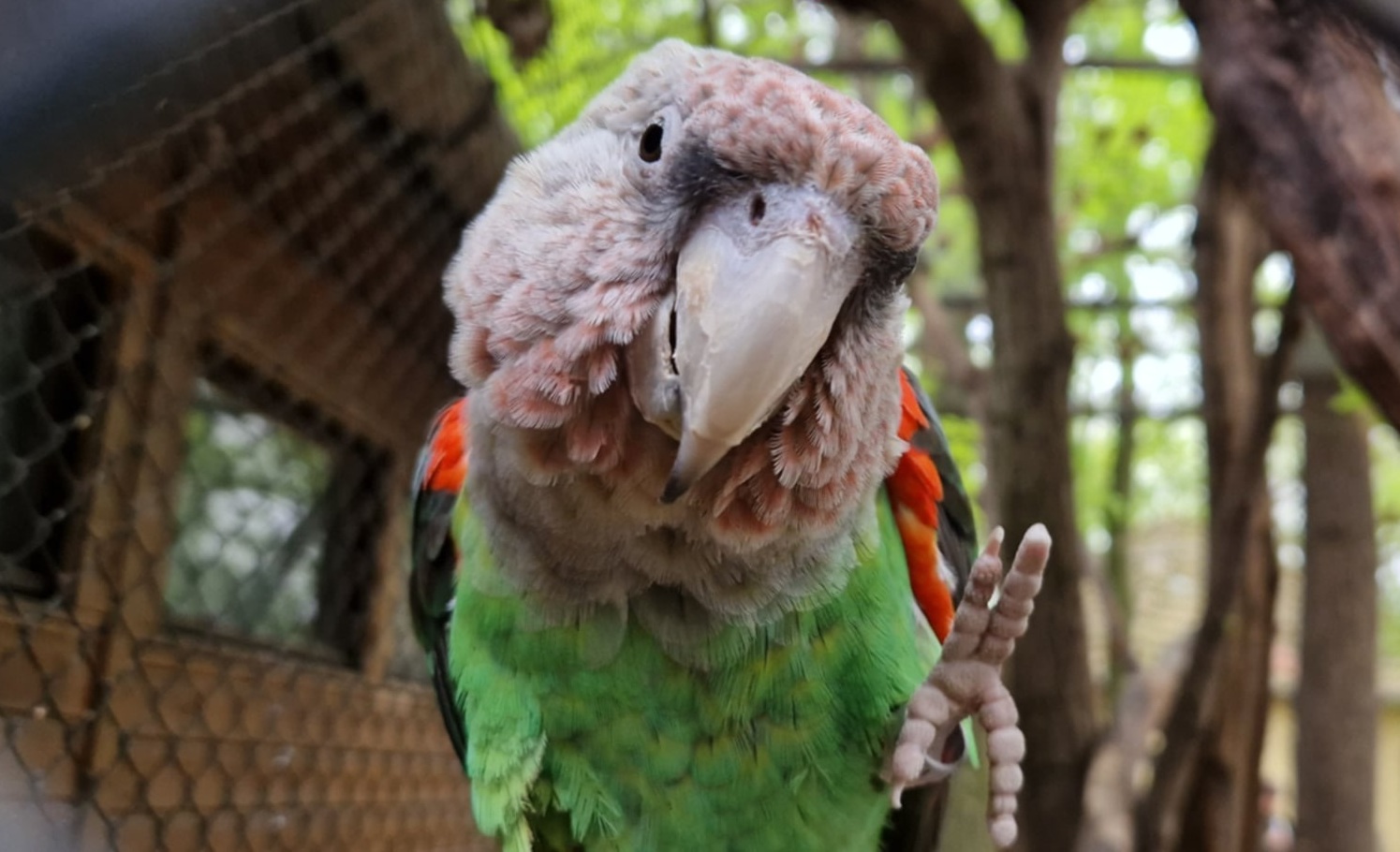
Cape Parrot (Poicephalus robustus)
Order: Psittaciformes
Family: Psittacidae
IUCN Red List: VU (Vulnerable)

II.
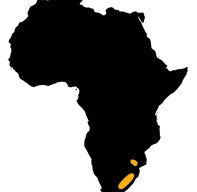
Habitat
South Africa
Informations
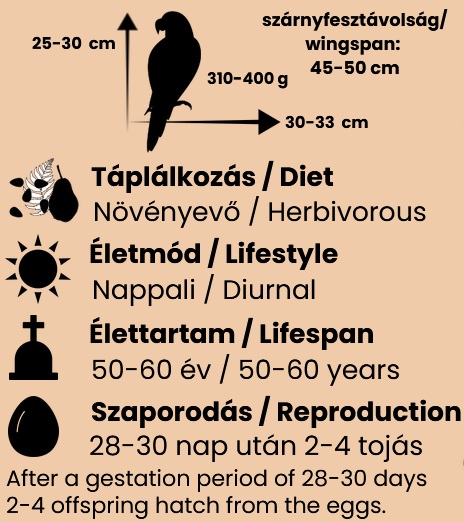
The Cape parrot is an endemic species of South Africa, meaning it lives only in the country’s mountainous forests. For a long time it was considered a subspecies of the brown-necked parrot, but today it is recognized as a separate species, which allows for more accurate conservation planning.
It is a medium-sized parrot with a strong, robust beak that allows it to crack hard seeds and nuts, especially the fruit of the yellowwood tree. Cape parrots are capable of flying long distances in search of food. Their plumage is mainly green, with an olive-yellowish head and brighter red-orange patches on the wings and around the legs, which are particularly noticeable in adult birds.
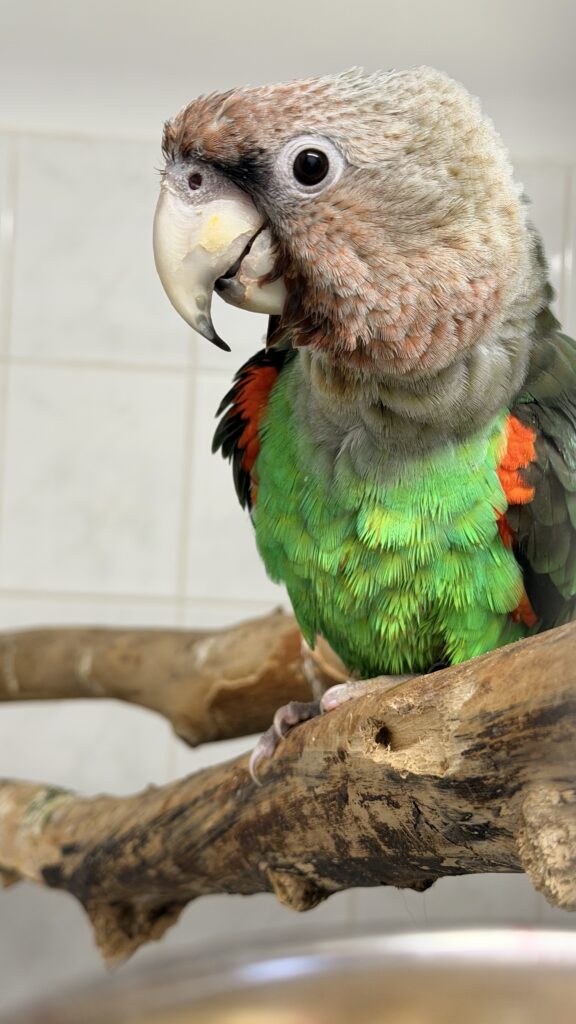
They often move in small flocks and communicate through distinctive, loud calls. Even during long flights they keep in contact with one another through constant vocalizations.
The species is threatened mainly by habitat loss and illegal trapping. Professional and volunteer birdwatchers organize the Cape Parrot Big Birding Day each year, during which coordinated counts are conducted at multiple locations to estimate the population size. These surveys provide important scientific data that support conservation efforts.