
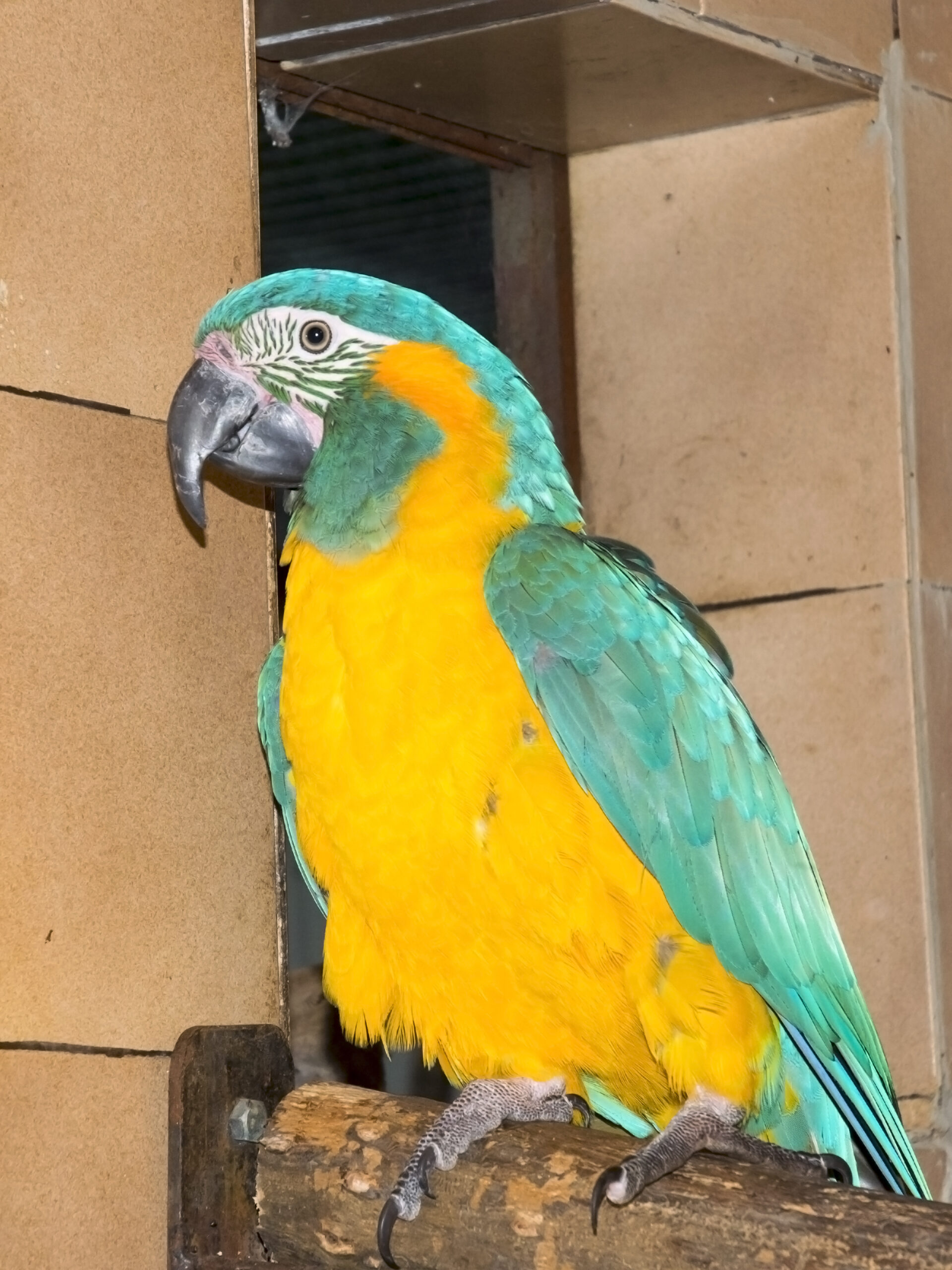
Blue-throated macaw (Ara glaucogularis)
Order: Psittaciformes
Family: Psittacidae
IUCN Red List: CR (Critically endangered)


I.
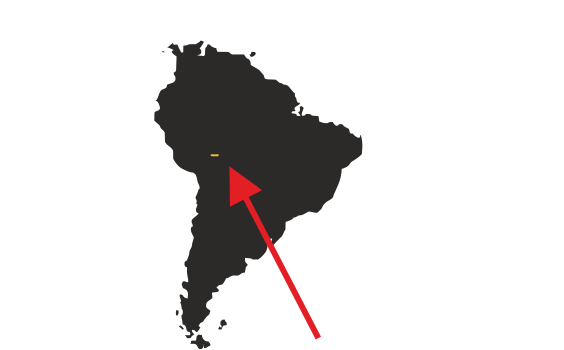
Habitat
South-America
Information
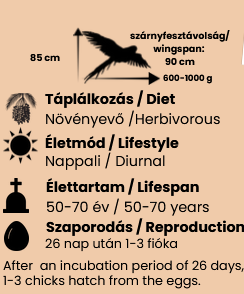
Diet: Unlike other macaw species, their diet consists mainly of palm fruits; they consume seeds in smaller quantities.
The Blue-throated macaw is very similar in appearance to the Blue-and-yellow macaw. They are most easily distinguished by the color of the feathers on their throat and the top of their head.
Blue-throated macaws also choose a partner for life. They nest in the hollows of palm trees. They breed once a year, or up to twice if the chicks do not survive. The chicks fledge at 13–14 weeks of age. It has been observed that young Blue-throated macaws remain with their parents for another year even after they are capable of self-sufficiency. During this time, the parents skip the breeding season.
They live in small groups and are often found together with Blue-and-yellow macaws. One characteristic of their behavior is that they are extremely cautious, especially during nesting. The parents often perch in front of the nest and scan their surroundings, looking for predators or other sources of danger. Even after foraging, they only return to the nest after a thorough look around. While one parent is feeding, the other keeps watch near the nest.
Based on a survey conducted in 2015 within the species’ range, their population was estimated to be only 312–455 individuals.