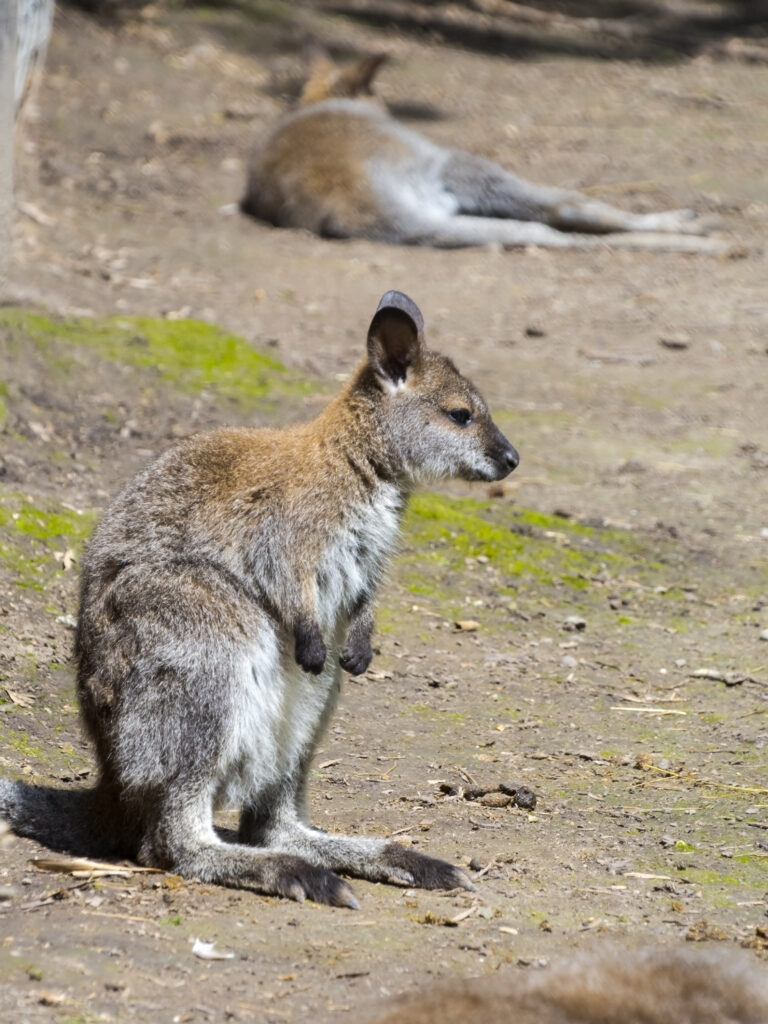
Bennett’s Wallaby (Notamacropus rufogriseus)
Order: Diprotodontia
Family: Macropodidae
IUCN Red List: LC (Least concern).
Habitat
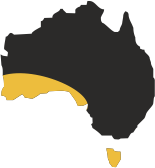
Shrublands and bushy areas of Australia
Informations
Australia is known for its unique wildlife because the continent separated from the others very early in geological history, allowing its animals to evolve in isolation for millions of years.
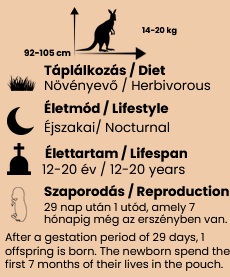
Bennett’s wallaby belongs to the group of medium-sized kangaroos. It mainly lives in forested and bushy areas, where it feeds on grasses, leaves, and young shoots. These animals are mostly active at dusk and during the night, while during the day they rest in shaded and sheltered places.
Today about 60 species of kangaroos and wallabies are known. In Hungarian they are all commonly called kangaroos, but in Australia only the largest species are referred to as “kangaroos,” while the smaller ones are called wallabies.
The first Europeans who may have seen kangaroos were Dutch sailors in the late 1620s. However, these animals became widely known mainly through the reports of the British explorer James Cook.
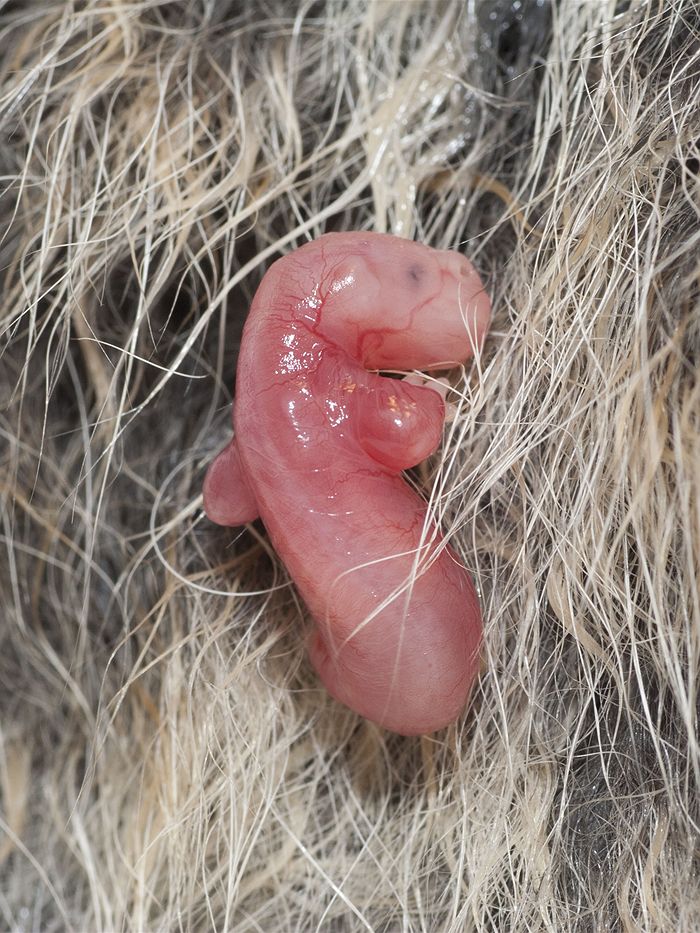
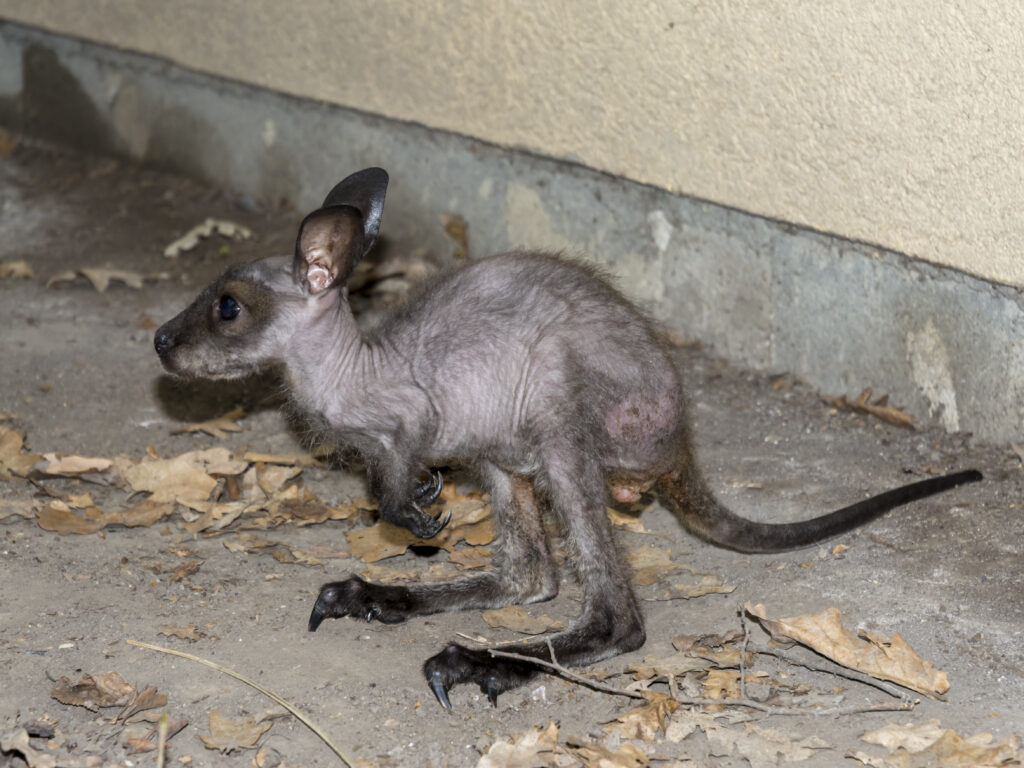
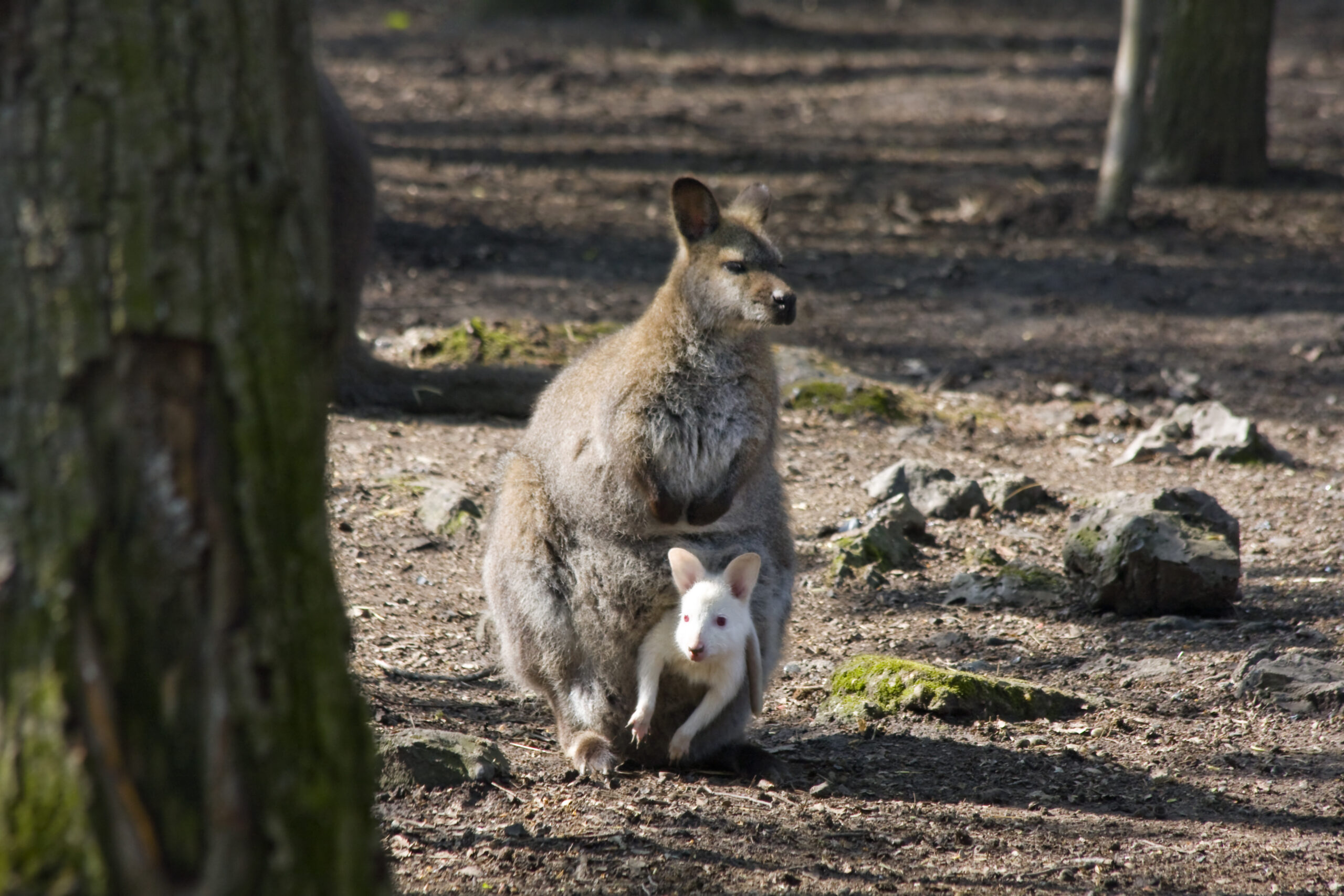
Their young are born very underdeveloped after a short gestation period and continue to grow inside the mother’s pouch for several months. During this time their fur develops and their eyes open.
Newborn wallabies have stronger forelimbs, which help them climb into the pouch immediately after birth, while their hind legs are still poorly developed.