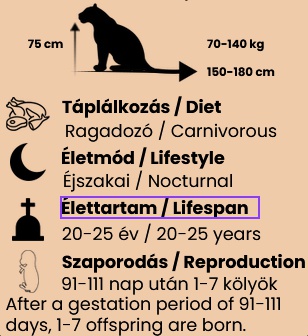

Jaguar (Panthera onca)
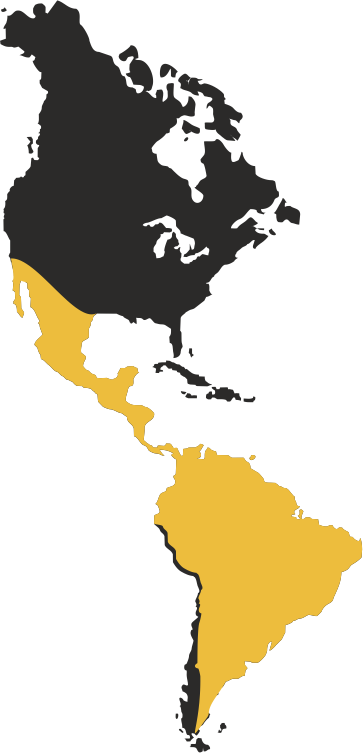
Habitat: Tropical rainforests and wetlands of the Americas
Diet: Carnivorous
The jaguar is not only powerful in build—with large paws and strong claws—but also possesses the second strongest bite among terrestrial mammals. Like hyenas, it can crush even bones with ease. Its hunting technique is also unique among big cats: instead of attacking the throat, it often kills by biting through the skull of its prey. Jaguars are excellent climbers and strong swimmers, making them highly versatile predators.
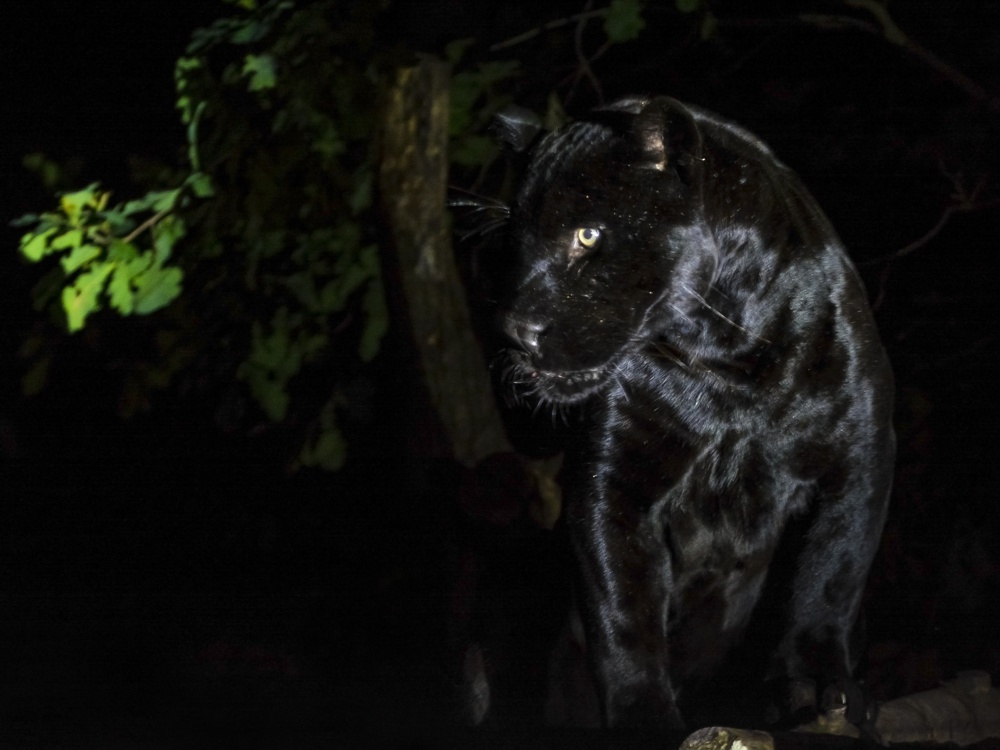
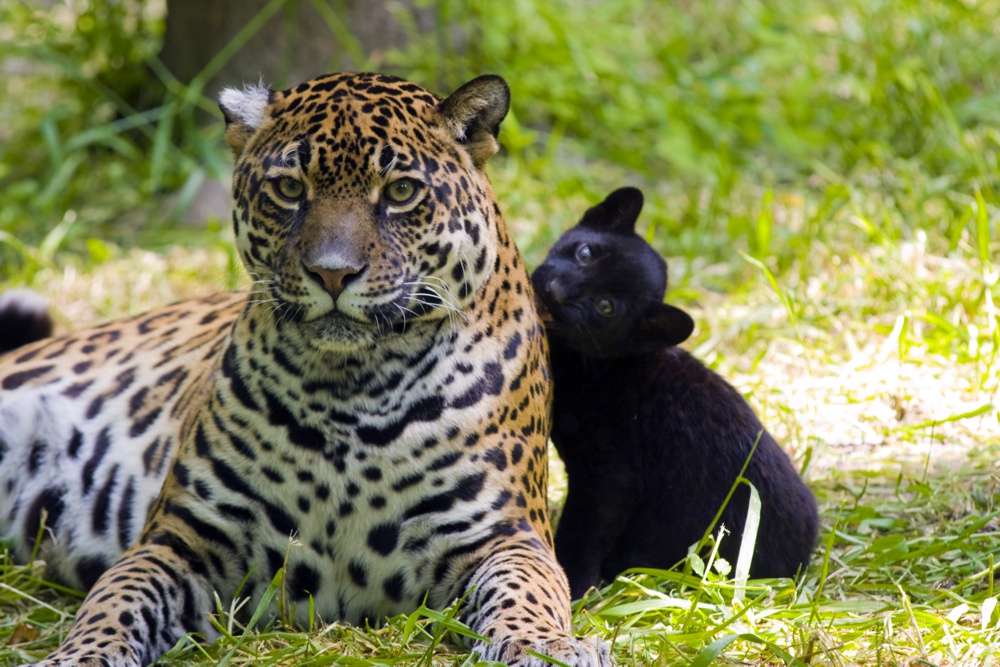
Although jaguars and leopards look similar at first glance, jaguars are more robust and have larger, fewer rosettes on their coats. Their ranges also differ: jaguars live in the Americas, while leopards inhabit Africa and Asia. Both species can appear in a black color variant—commonly referred to as black panthers. The jaguar holds deep symbolic meaning in many Central and South American cultures. It represents spiritual power, fertility, water and rain.
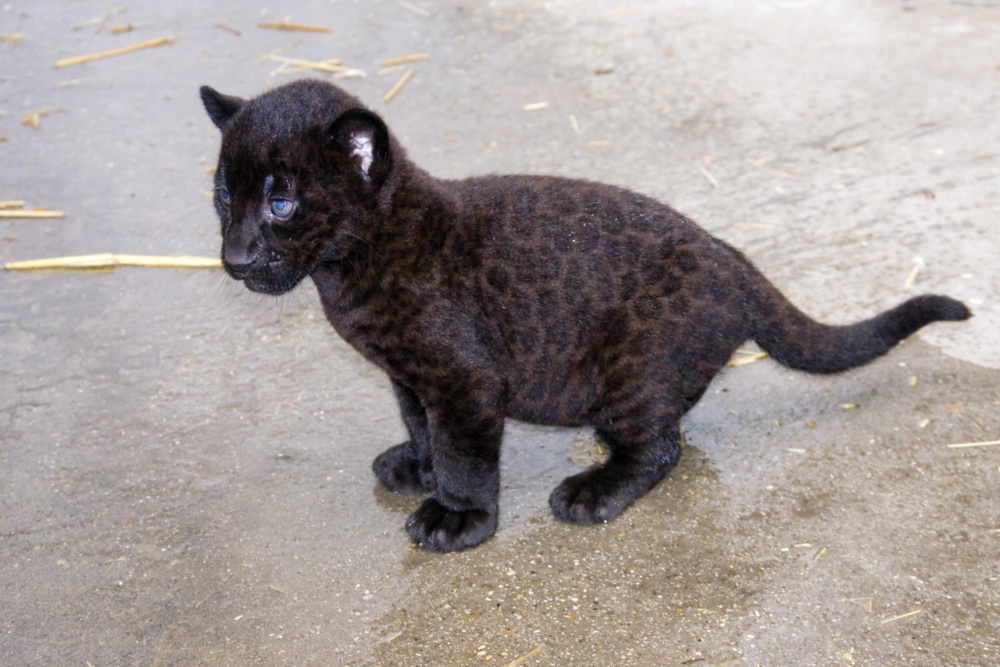
In Mayan traditions, it was associated with rulers and believed to serve as a link between the living and the dead. Jaguars were seen as companions in the spirit world. In Aztec civilization, the jaguar symbolized warriors and rulers, and there was even an elite group of fighters known as jaguar warriors.
Carnivora / Felidae
IUCN Redlist: NT (near threatened)

I.