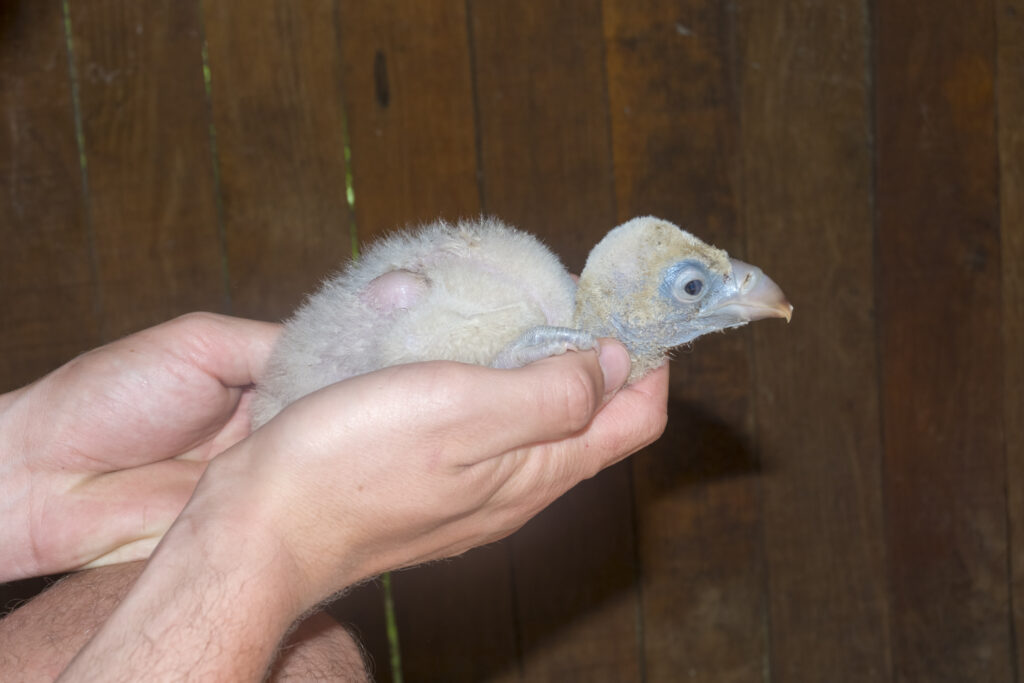
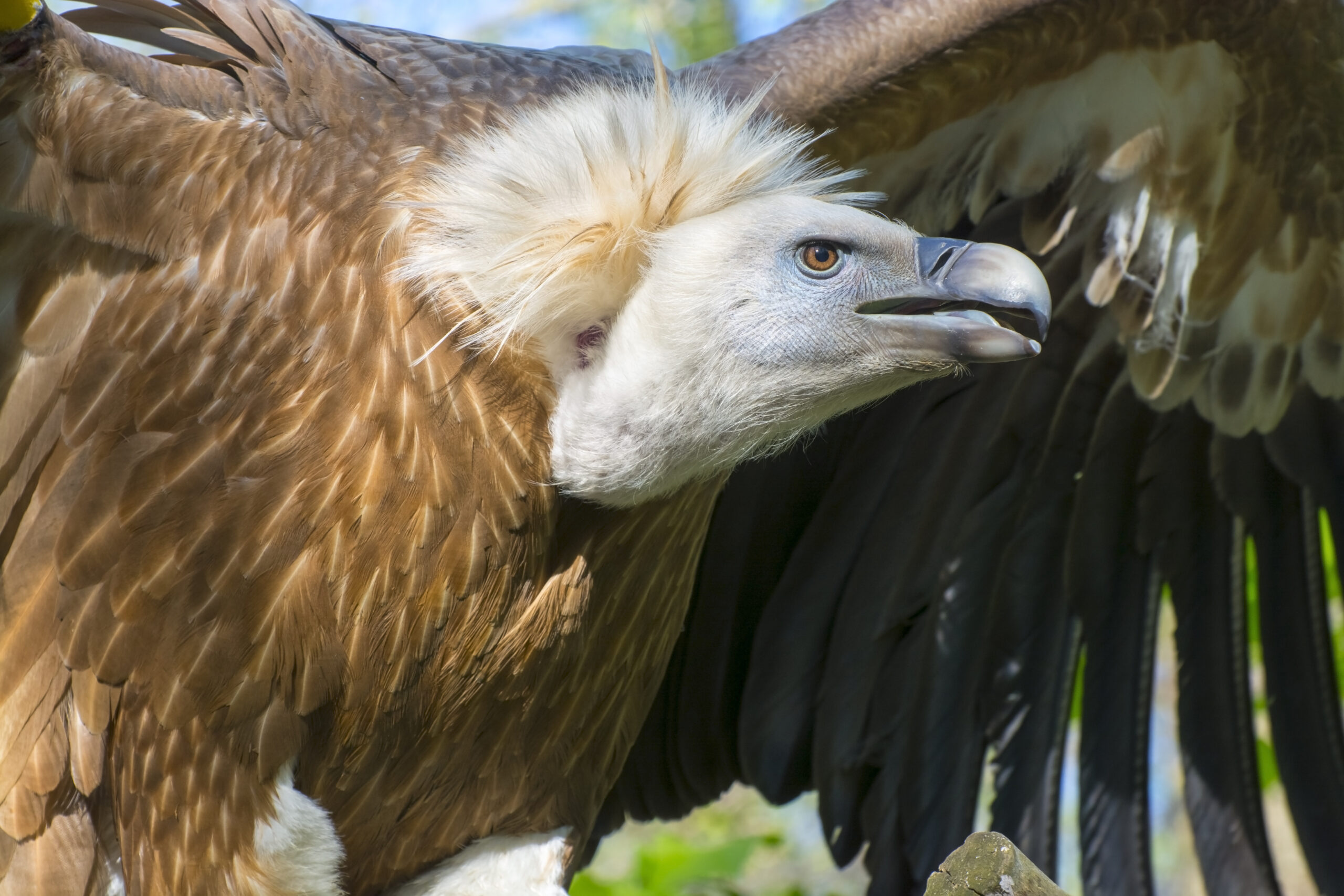
Eurasian griffon (Gyps fulvus)
Order: Accipitriformes
Family: Accipitridae
IUCN Red List: LC (Least Concern)


II.
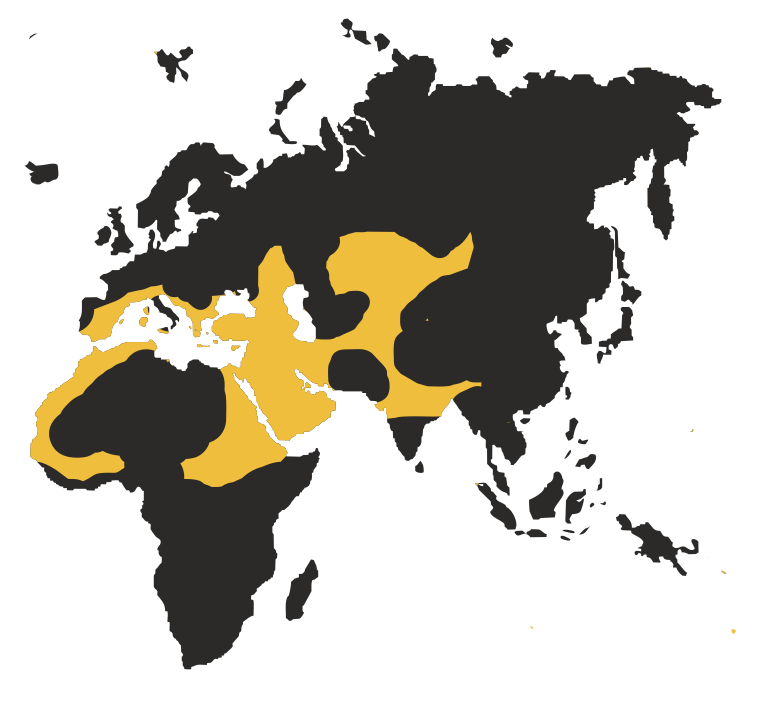
Habitat
Africa, Europe, Asia
Information
The closest significant population of Eurasian griffons to Hungary is located on the island of Cres in Croatia. From there, a few wandering individuals may stray into Hungary, primarily during the summer and autumn seasons. This species breeds in North Africa, Southern Europe, and Southwestern Asia. It builds its nests out of twigs on rocky cliff ledges.
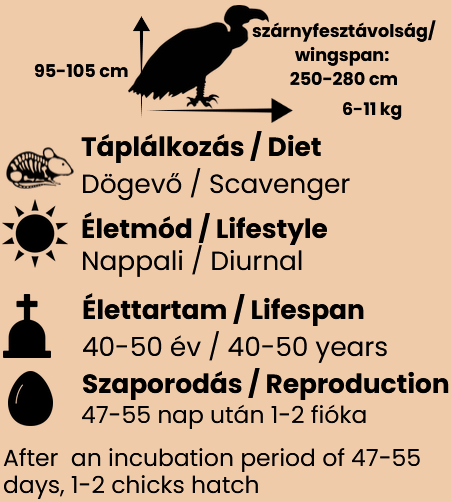
Diet: scavenger. They feed exclusively on carrion; by disposing of carcasses, they perform a vital ecological service.
Like other vulture species, they can soar as high as 10,000 meters. At such altitudes, the intense UV radiation helps disinfect their bodies, which often become contaminated during feeding. The primary threats to these vultures are poisoning, hunting, and the illegal capture of chicks. Through a state cooperation agreement between Hungary and Serbia, a pair of rescued Eurasian griffons arrived in Szeged from Serbia. They have already successfully raised several chicks.