
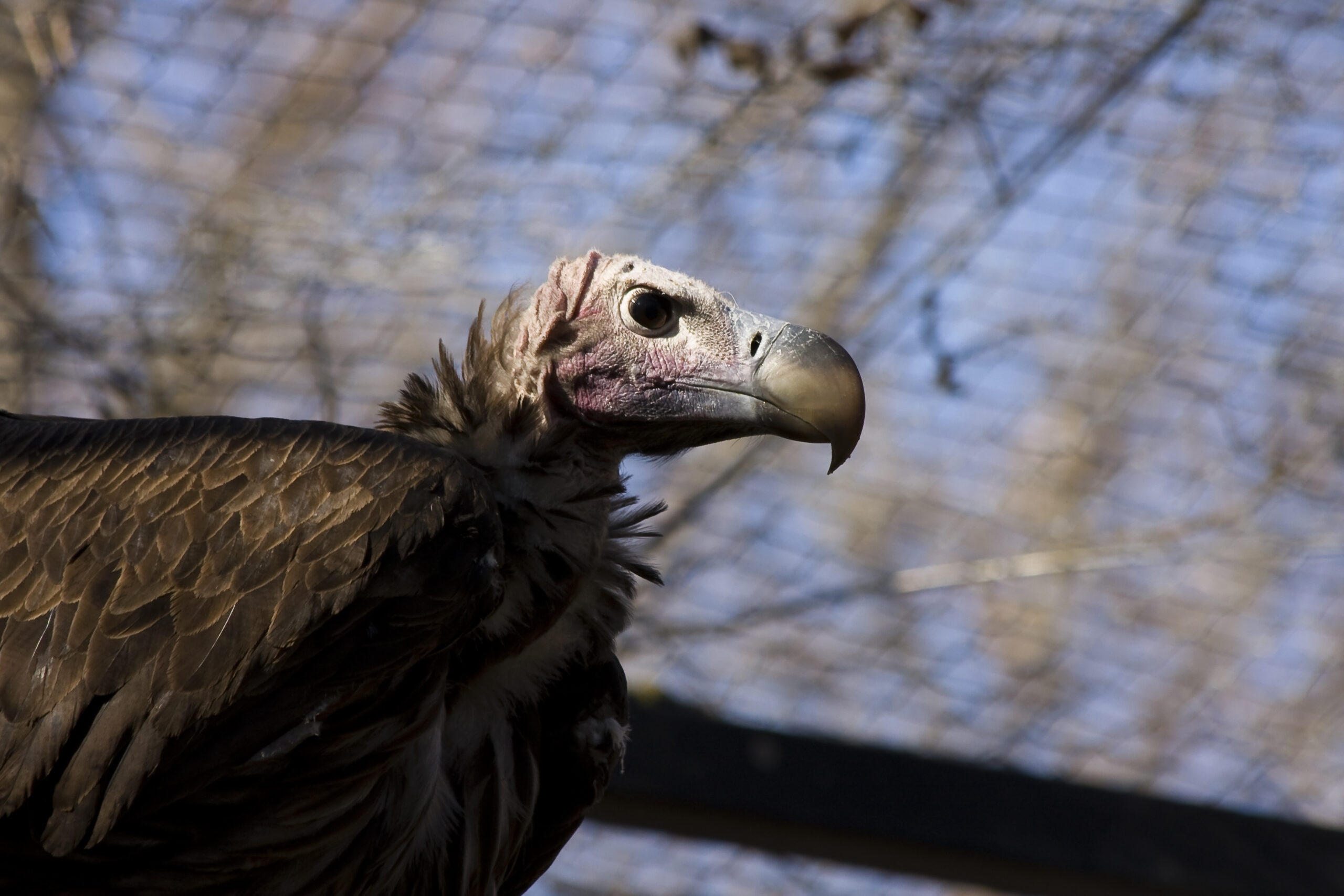
Lappet-faced vulture (Torgos tracheliotus)
Order: Accipitriformes
Family: Accipitridae
IUCN Red List: EN (Endangered)


II.
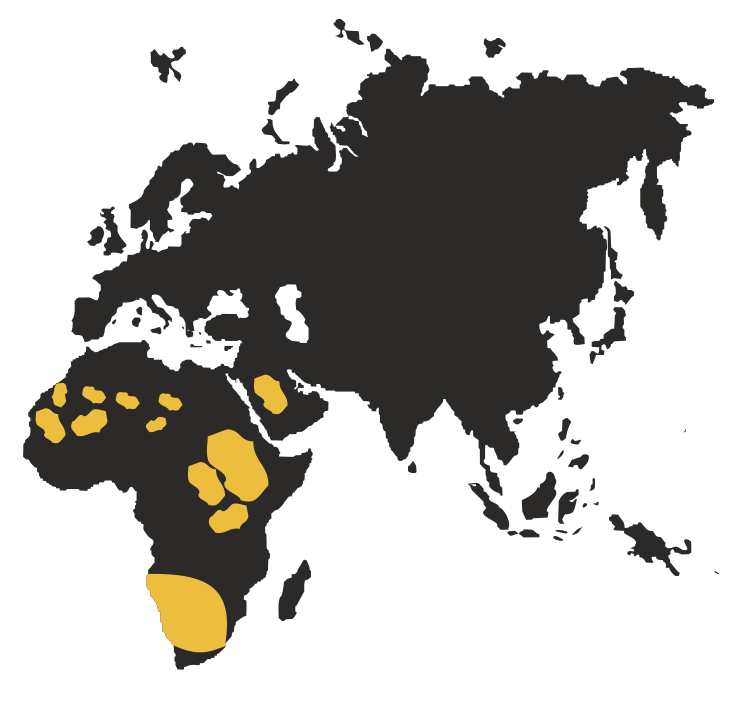
Habitat
Dry savannah, thornbush, arid plains, open mountain slopes.
Information
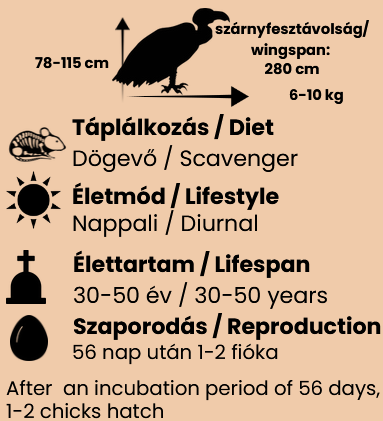
Diet: scavenger. The Lappet-faced vulture is named after the skin folds (lappets) on its neck and its distinct collar of feathers. It prefers open areas, which it can easily survey from high altitudes. Its neck is bald, preventing blood from matting its feathers during feeding.
With its massive wings, this bird is an excellent flier and glider. As soon as it spots food, it descends; others soon follow, as they make an effort to stay within sight of one another. Its legs are also powerful, allowing it to walk and hop confidently on the ground.
As one of the largest Old World vultures, its powerful bill and neck allow it to tear open the thick-skinned carcasses of large animals. It is often the first to begin feeding, unintentionally assisting smaller scavengers that are unable to break through tough hides on their own.
It builds its nest on trees or bushes. The female typically lays a single egg. The chick develops slowly, remaining in the nest for 3–4 months before it is ready to fly.
Their population is declining primarily due to poisoning, but habitat loss and illegal trade also contribute to their disappearance.