
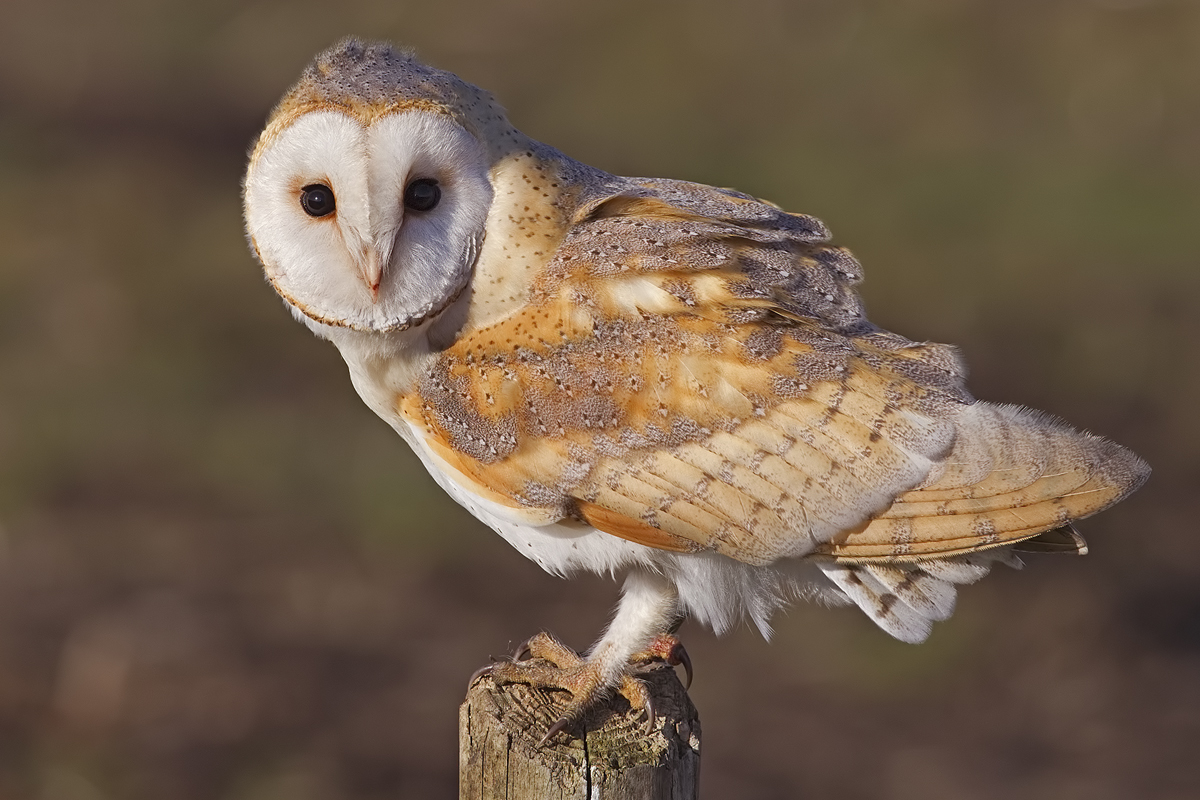
Common Barn-owl (Tyto alba)
Order: Strigiformes
Family: Tytonidae
IUCN Red List: LC (Least Concern)

II.
Habitat
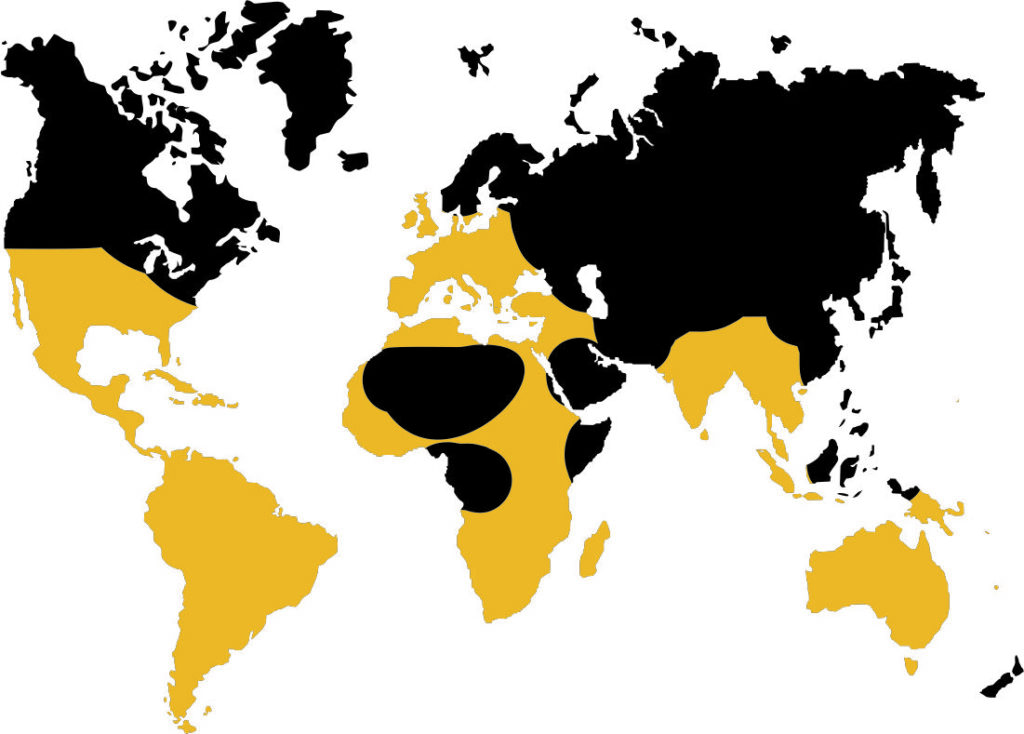
The Common Barn-owl is found on every continent except Antarctica. It primarily prefers open agricultural lands, which links its presence closely to human activity.
Information
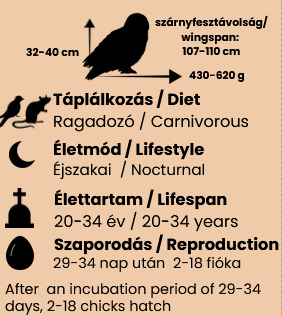
It nests in and around inhabited areas, frequently moving into church towers and attics. Diet: carnivorous.
It is easily recognizable by its distinct heart-shaped facial disk. Its plumage is very light in color. The start of its breeding season depends on the weather and the amount of available food. The size of the clutch is strongly influenced by the local field vole population. It does not build a nest. The female incubates the eggs while the male assists by providing food. Since the female lays her eggs every two days, there is a visible size difference among the hatched chicks.
In Europe, the primary threat is the decline of traditional, extensive farming and outdoor livestock rearing. In Hungary, the most common endangering factors include habitat loss, a decrease in suitable nesting sites, roadside vehicle collisions, electrocution on power lines, and poisoning.