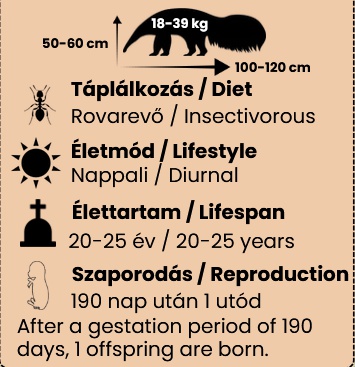

Giant anteater (Myrmecophaga tridactyla)
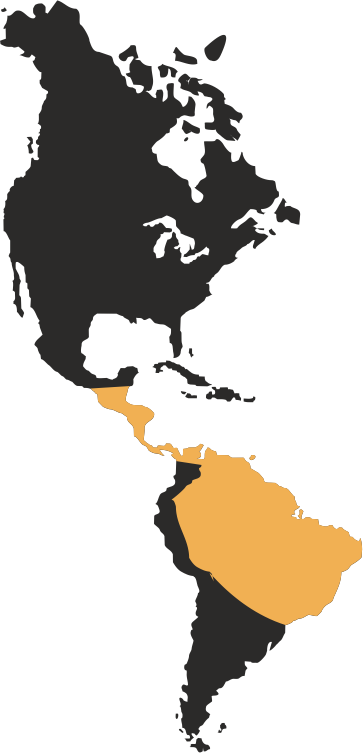
Habitat: Marshes, forests, and grasslands of the Americas
Diet: Insectivorous
The giant anteater is the largest species among anteaters. It gets its name from the long, mane-like fur that runs along its back, giving it a very distinctive appearance. Its elongated skull and tubular, toothless mouth are perfectly adapted for feeding on insects. Its diet mainly consists of ants and termites.
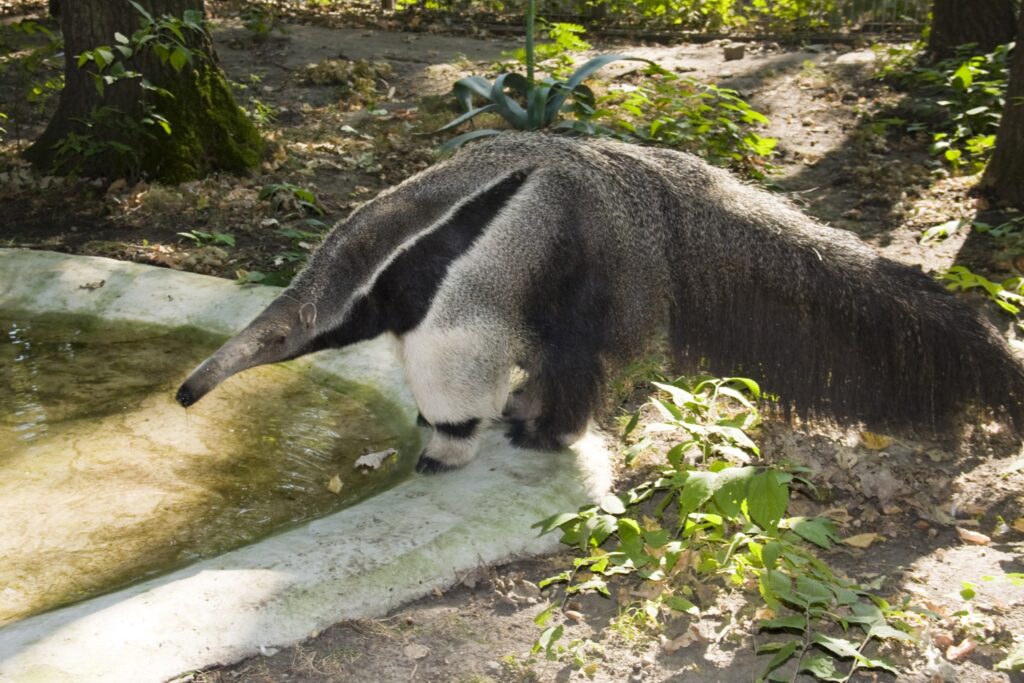
With its powerful, curved claws it tears open termite mounds, then gathers its prey with a long tongue that can reach up to 60 centimeters. The tongue is covered with tiny spines and can move in and out more than a hundred times per minute. In a single day, a giant anteater may consume tens of thousands of insects.
Although it may appear somewhat clumsy, it can move surprisingly quickly when necessary. When threatened, it often stands on its hind legs and defends itself with its enormous claws. If a jaguar fails to surprise it, the anteater can even kill such a powerful predator.
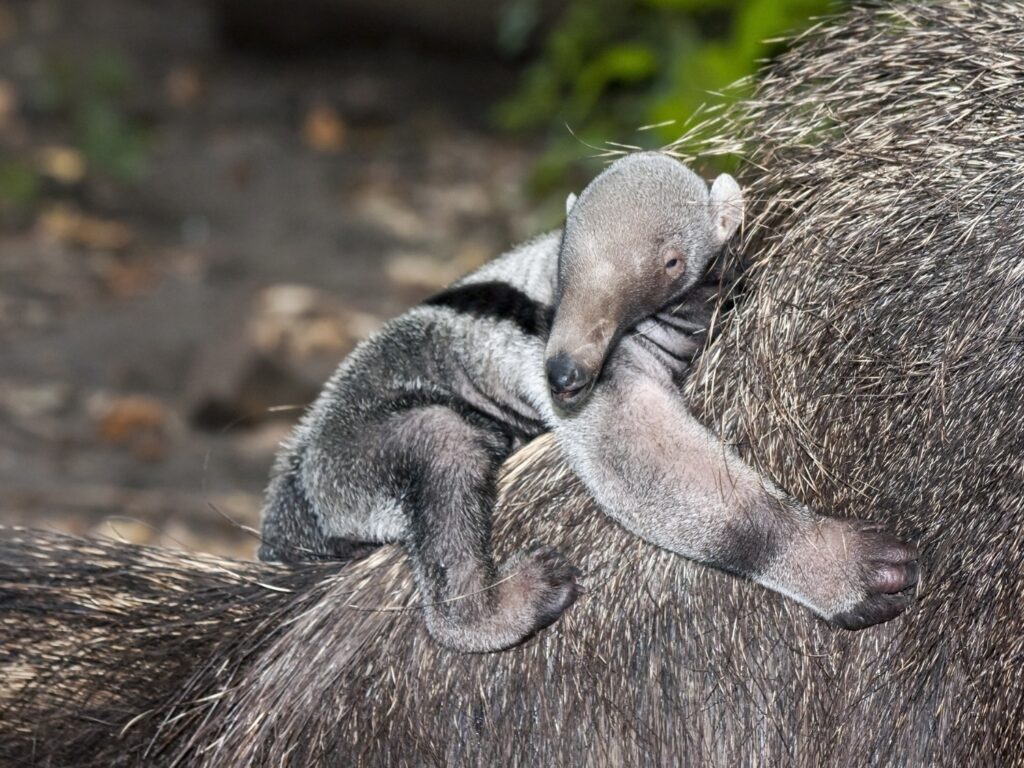
Giant anteaters usually live solitary lives. The female typically gives birth to a single offspring, which often rides on the mother’s back, blending into her fur and remaining well hidden from predators. When resting, the animal wraps its long, bushy tail around its body like a blanket.
Today the species is considered vulnerable, as habitat loss, wildfires, road accidents, and hunting all threaten its populations.
Pilosa / Myrmecophagidae
IUCN Redlist: VU (Vulnerable)

II.