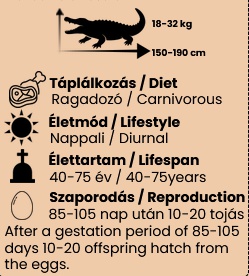

Dwarf crocodile (Osteolaemus tetraspis)
Habitat: Dwarf crocodiles range across tropical regions of Sub-Saharan West Africa and Central Africa. Dwarf crocodiles live from lowlands to mid-altitude in streams, small rivers, swamps, pools and mangrove, but generally avoid main sections of large rivers. Most of their range is within forested regions, but it may extend into more open regions where the streams or river are well-shaded. They are also found in seasonally-flooded forest.
Food habits: carnivorous. Dwarf crocodiles are generalist predators and have been recorded feeding on a wide range of small animals such as fish, crabs, frogs, gastropods, insects, lizards, water birds, bats and shrews.
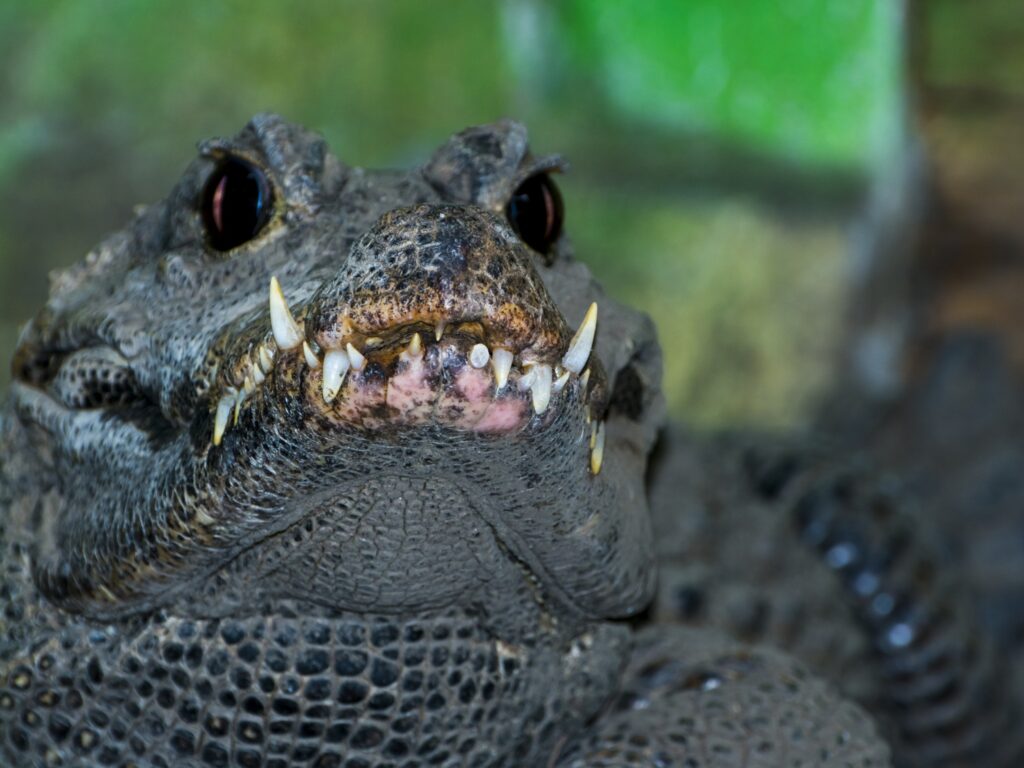
Dwarf crocodile is the smallest representative of the Crocodylidae family. Its average body length is 1.5 meters, with the largest known specimen reaching 1.9 meters.
The order Crocodylia is extremely ancient; its representatives have lived on Earth for about 200 million years. Today, the order comprises three families: Alligatoridae (alligators and caimans), Crocodylidae (true crocodiles), and Gavialidae (gharials). A former giant of the order was the Sarcosuchus imperator, which lived about 110 million years ago and could reach a length of 12 meters and a mass of 8–10 tons. Among living species, the largest is the saltwater crocodile, but the Nile crocodile and the gharial also reach impressive sizes. One of the most infamous Nile crocodiles is Gustave, a reputed man-eater whose estimated length exceeds 6 meters and whose age is over 70 years; he is credited with at least 60 victims.
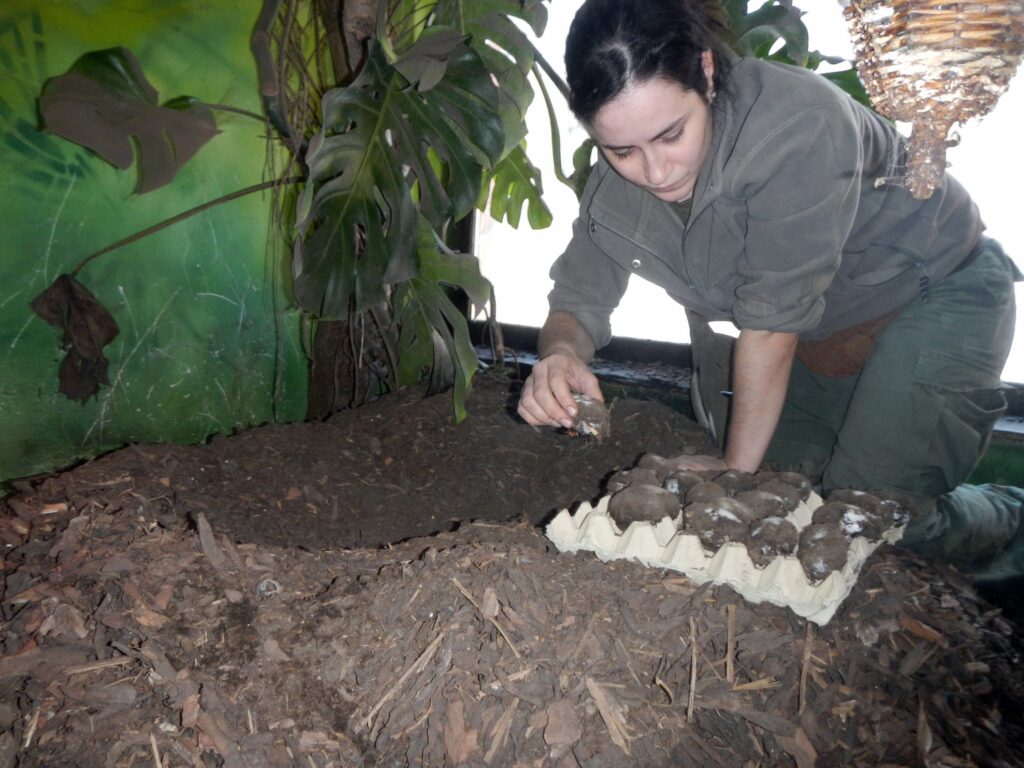
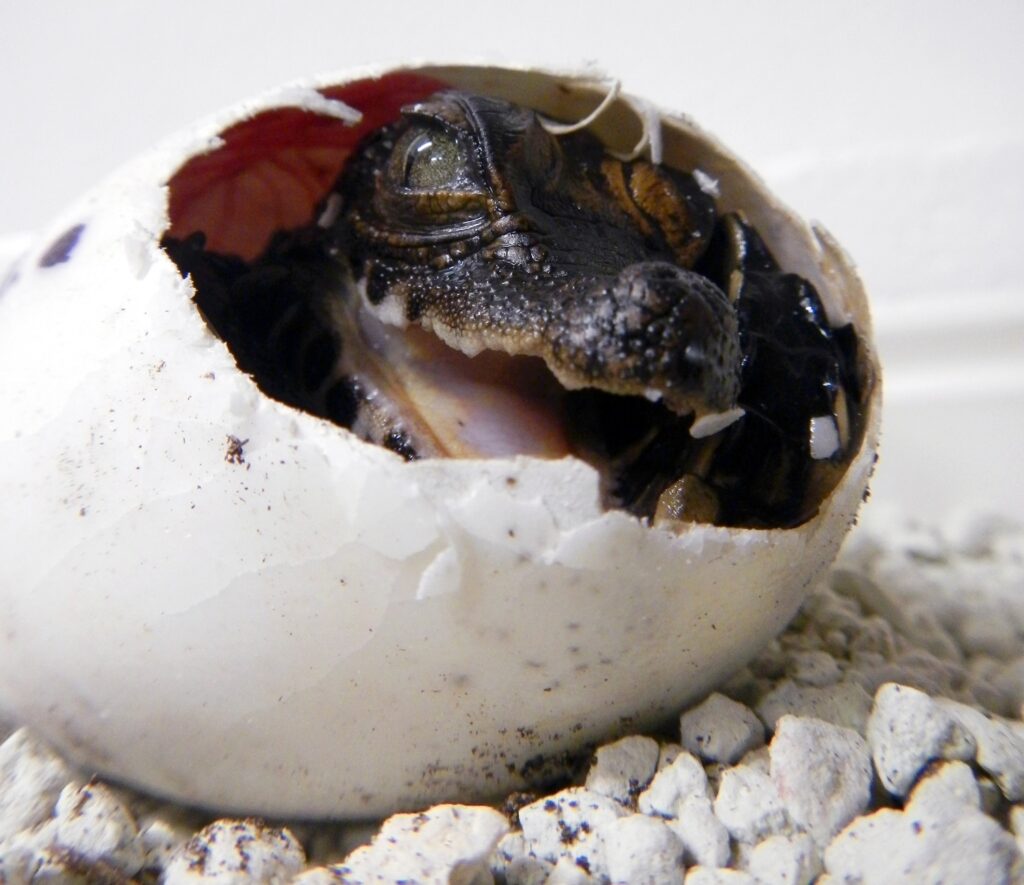
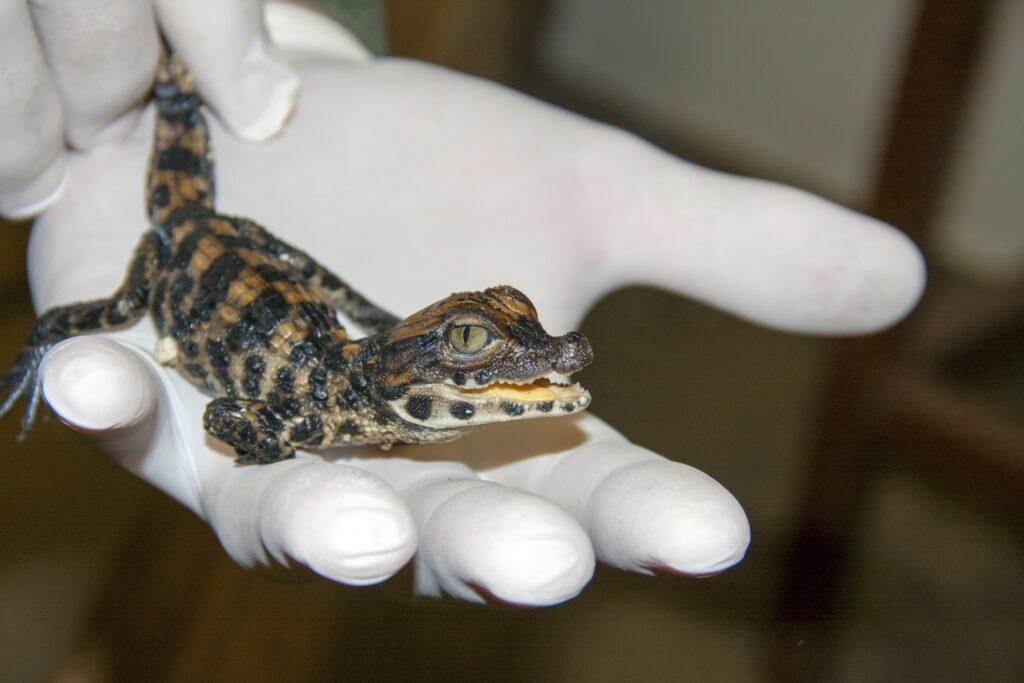
The reproduction of crocodiles is unique: the sex of the hatchlings is determined by the incubation temperature. At approximately 31.6°C, mostly males develop, while temperatures differing from this result in females. Unusually for reptiles, crocodiles are characterized by advanced parental care: the parents protect not only the eggs but also the hatched young.
Crocodylia / Crocodylidae
IUCN Redlist: VU (Vulnerable)



I.