
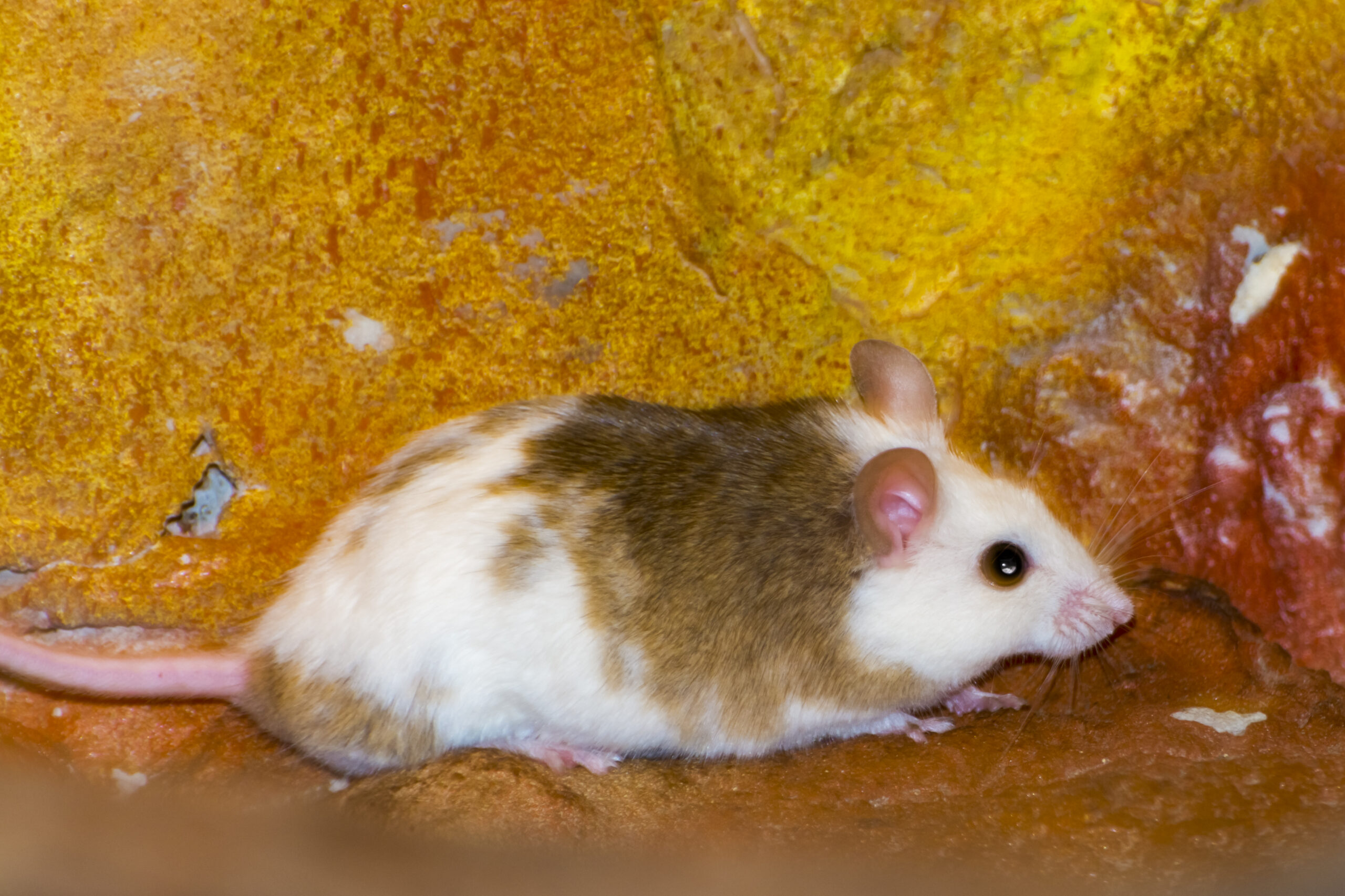
Natal multimammate mouse (Mastomys natalensis)
Order: Rodentia
Family: Muridae
IUCN Red List: LC (Least concern)
Habitat
Grasslands and wooded areas of Africa

Informations
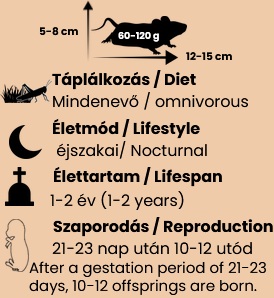
The multimammate mouse gets its name from the large number of mammary glands arranged in two rows along its body. This allows females to give birth to large litters and feed many young at the same time.
These animals are highly social. They can grow up to twice the size of a common house mouse and in many ways resemble rats. Several color variations are known.
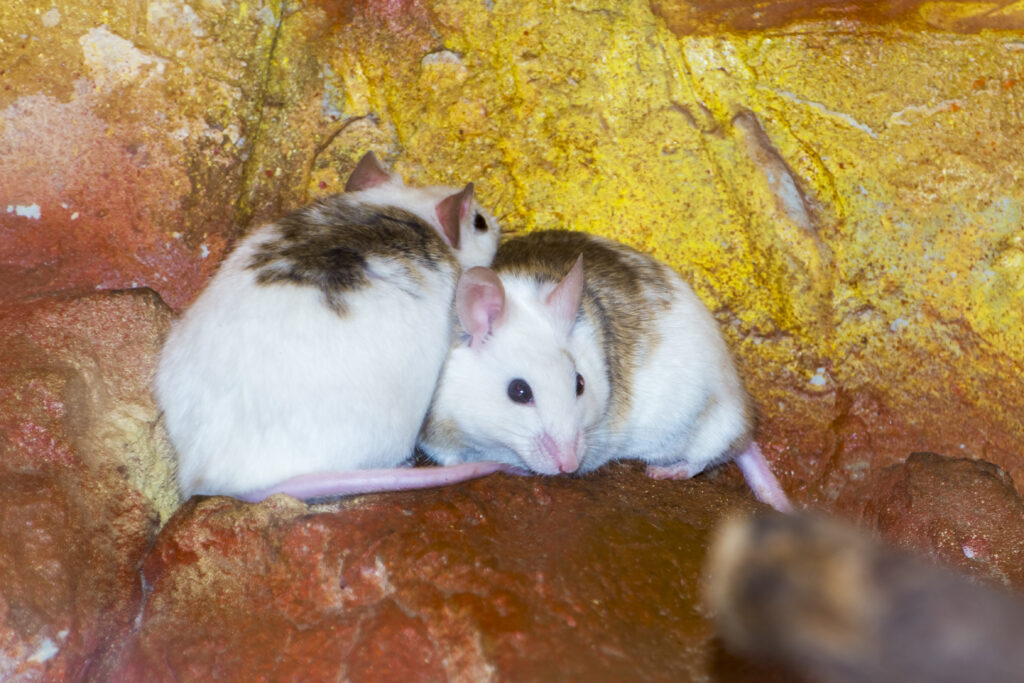
Phobias — irrational aversions or instinctive fears toward certain objects, situations, or living beings — exist in many forms. The fear of rodents such as mice and rats is called musophobia. Fear of animals can have a survival value: even animals that seem harmless may carry diseases, so caution toward rodents is not entirely unfounded.
According to the Hungarian psychologist Jenő Ranschburg’s “intrusion theory,” many harmless animals that trigger fear share a common trait: they invade human living spaces. Mice often appear suddenly in homes or buildings, and this unexpected presence can provoke strong and sometimes irrational fear in some people.