
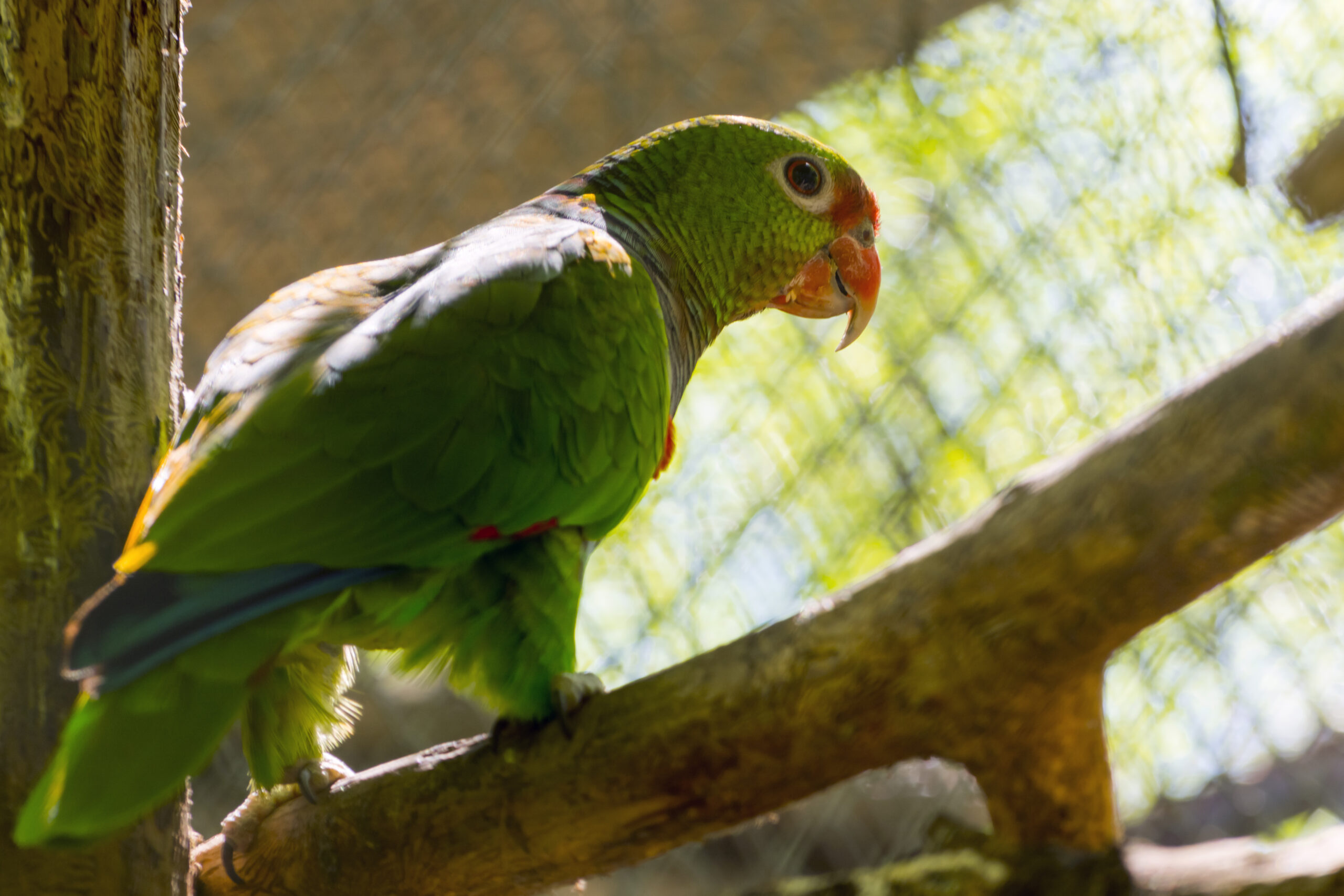
Vinaceous-breasted amazon (Amazona vinacea)
Order: Psittaciformes
Family: Psittacidae
IUCN Red List: EN (Endangered)

I.
Habitat
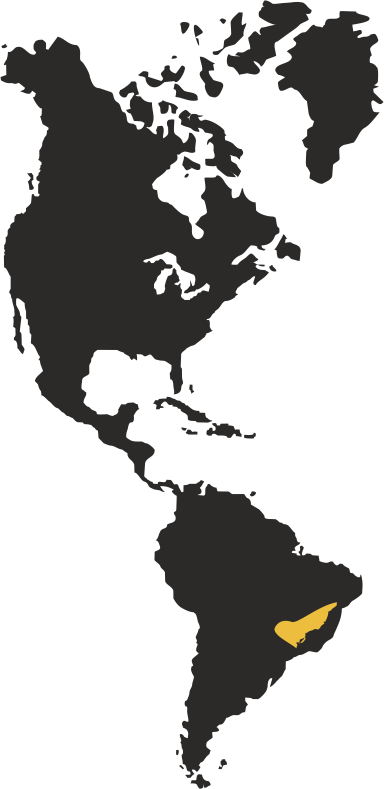
The Vinaceous-breasted amazon lives in Argentina, Brazil, and Paraguay.
Information
In some regions, it is only present during the breeding season, while in others, it can be found year-round. It primarily favors forests with a significant presence of the Parana pine (Araucaria angustifolia), a coniferous tree whose seeds serve as its primary food source during the winter.
Diet and Feeding Habits: It feeds mainly in the treetops, often in flocks. In addition to seeds, its diet includes various fruits and flowers.
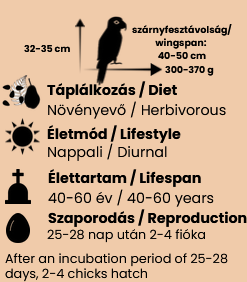
It nests in tree hollows. The eggs are incubated almost exclusively by the female for approximately one month. Once hatched, both parents care for the chicks.
These parrots are generally quiet while at the nest or feeding; however, they become very loud during flight or when perched away from the nesting site.
The wild population is steadily declining, primarily due to habitat loss and fragmentation. Although they can be bred easily in captivity, many wild individuals are still unfortunately trapped for the illegal wildlife trade.