Eurasian magpie (Pica pica)
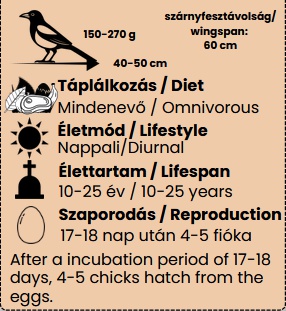
Habitat: Shrublands and open landscapes of Europe and Asia
Diet: Omnivorous
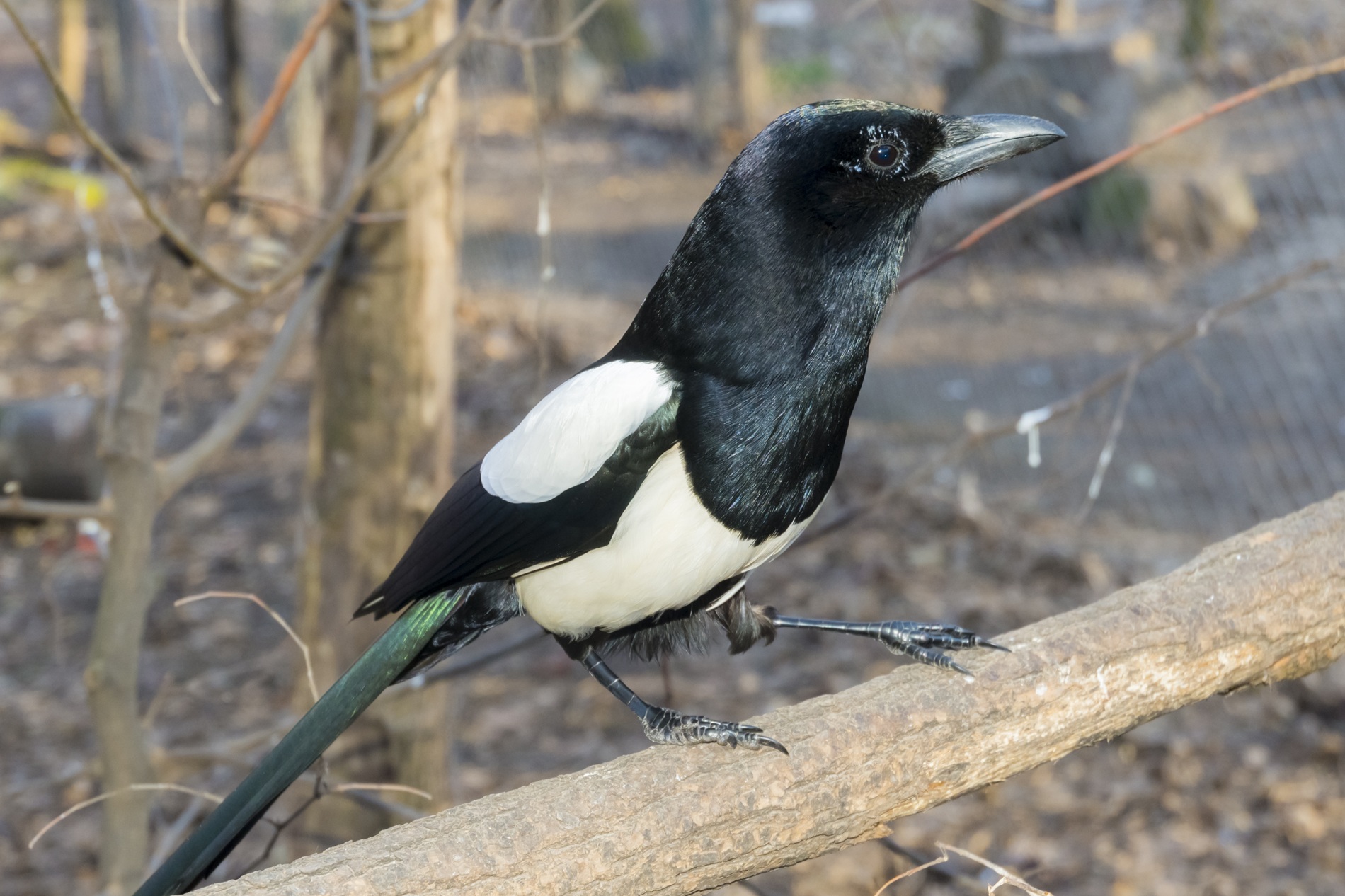
The Eurasian magpie is one of the most intelligent members of the crow family and is widespread across Europe and Asia. It is a common bird throughout the year in many regions and easily recognizable by its striking black-and-white plumage. It adapts well to living near humans and is often seen in parks, gardens and farmland.
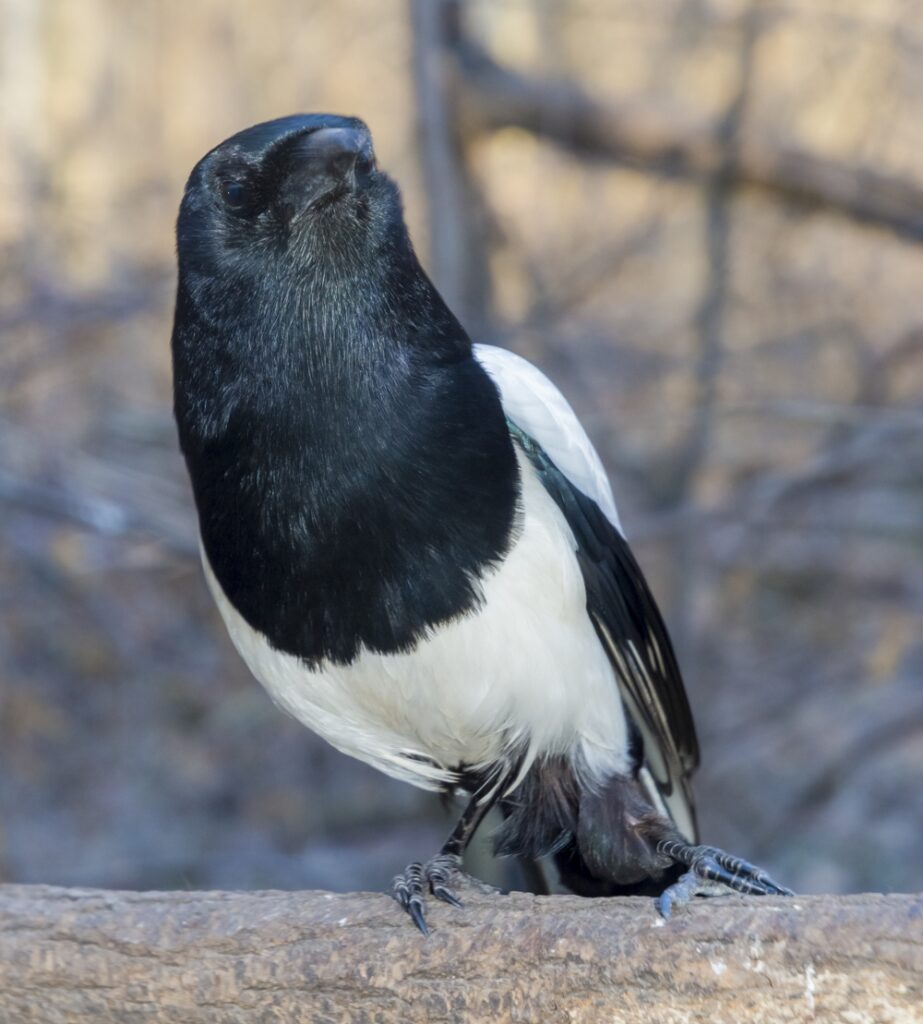
Scientific studies have shown that magpies are capable of recognizing themselves in a mirror — a rare ability in the animal kingdom that suggests a form of self-awareness. They possess advanced problem-solving skills, strong memory and can even perform simple counting tasks. Their intelligence is paired with strong curiosity, especially toward shiny objects. They often collect, hide and later retrieve such items, and sometimes even take them from elsewhere, which gave rise to their reputation as “thieving magpies.” This behavior inspired many stories, including Rossini’s opera The Thieving Magpie, based on a real case in which a servant girl was falsely accused of stealing jewelry that was later found in a magpie’s nest.
Magpies are omnivorous, feeding on insects, small vertebrates, eggs, plant material and even human waste. They form long-term pair bonds, and their large, domed nests made of twigs provide effective protection against predators. Although they were once considered pests, today they are recognized as an important part of ecosystems and a key species in studies of animal intelligence.
Passeriformes / Corvidae
IUCN Redlist: LC (Least Concern)