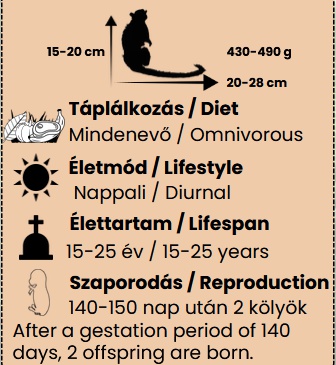

Pied tamarin (Saguinus bicolor)
Habitat: Native to the Brazilian rainforest, pied tamarin is found in a small region north of the Amazon River. Pied tamarins are an arboreal species that prefers secondary forests, swamps, edge and white sand forests.
Food habits: The fruits or flowers of 21 plants compose 96.1% of the plant component of the diet, along with tree exudates. Small animal prey, including insects, and seedpod gums are consumed during the dry season.
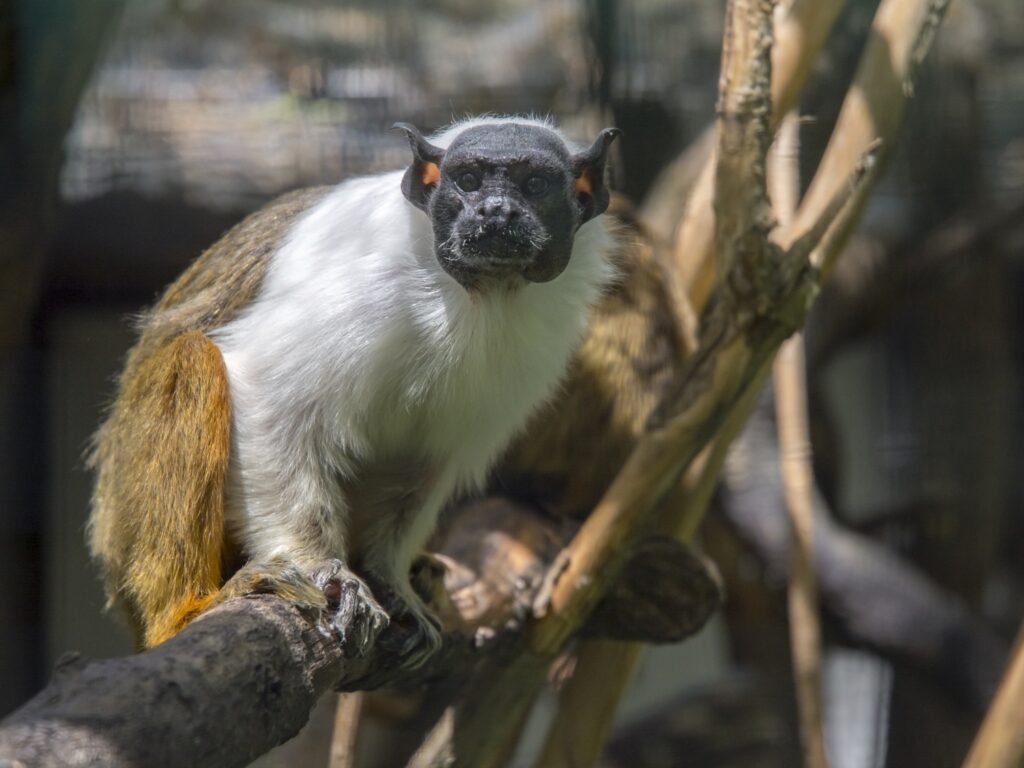
The pied tamarin is endemic to a highly restricted range in Brazil, specifically in the vicinity of Manaus. These primates are intensely active and maintain a complex social structure.
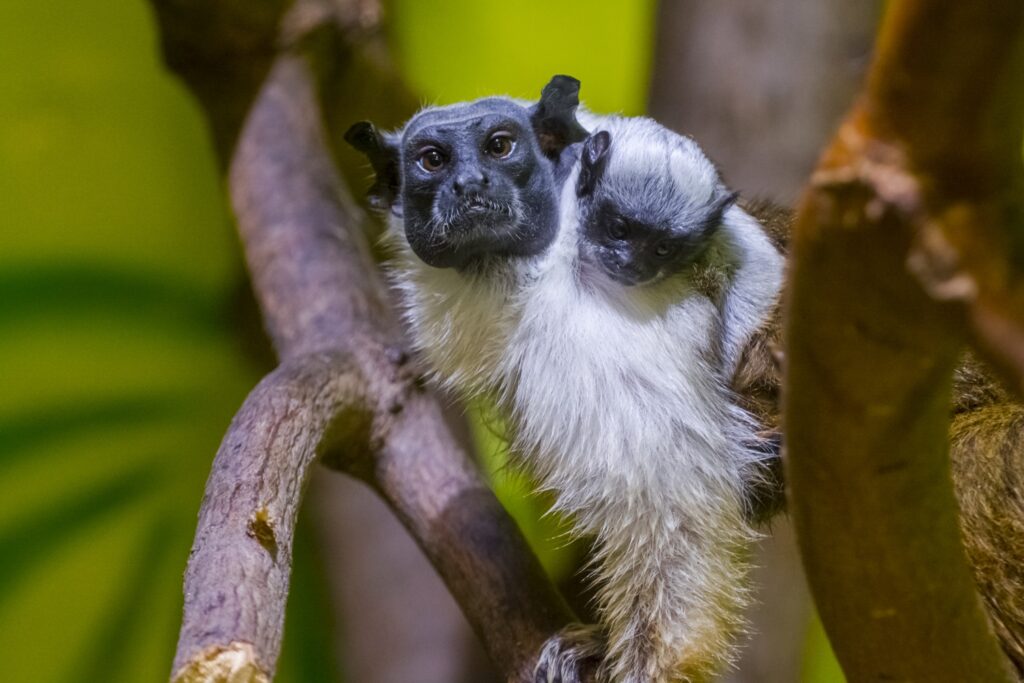
Groups typically consist of a single dominant female, several subordinate females, one or more males, and their offspring. Consistent with the reproductive strategy of other callitrichids, the infants spend the majority of their time clinging to the father. This behavior is largely due to the infants’ substantial size relative to the parents, making it metabolically impossible for the mother to care for them alone. Paternal care is supplemented by older siblings, who assist in carrying the young, thereby gaining essential experience in offspring rearing.
These tamarins are diurnal and migratory, spending most of the day moving between fruiting trees. Their diminutive stature and light weight allow them to traverse the outermost, slender branches of the canopy—areas inaccessible to larger predators. At night, they seek refuge within dense thickets or hollow tree cavities.
As its Latin name bicolor suggests, this tamarin is distinguished by its two-toned coat: white on the anterior and brownish on the posterior. Its natural diet primarily consists of spiders, insects, fruits, and tree exudates (sap and gum). To simulate these essential exudates in a captive environment, a high-protein, vitamin-enriched supplement was developed in Szeged. This specialized formula—consisting of rice flour, milk powder, and various nutritional concentrates—ensures the metabolic health of the species in zoological settings.
Primates / Cebidae
IUCN Redlist: CR (critically endangered)



I.