New arrivals: a llama cria and two alpaca crias are born
Wonderful news from the South American section of Szeged Zoo: our animal family has grown with the arrival of one llama cria and two alpaca crias!
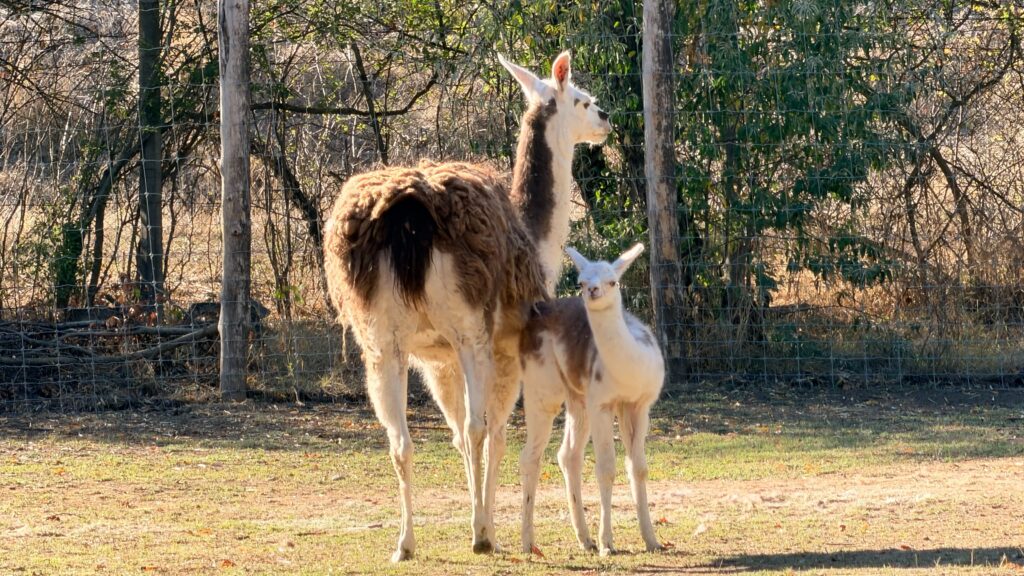
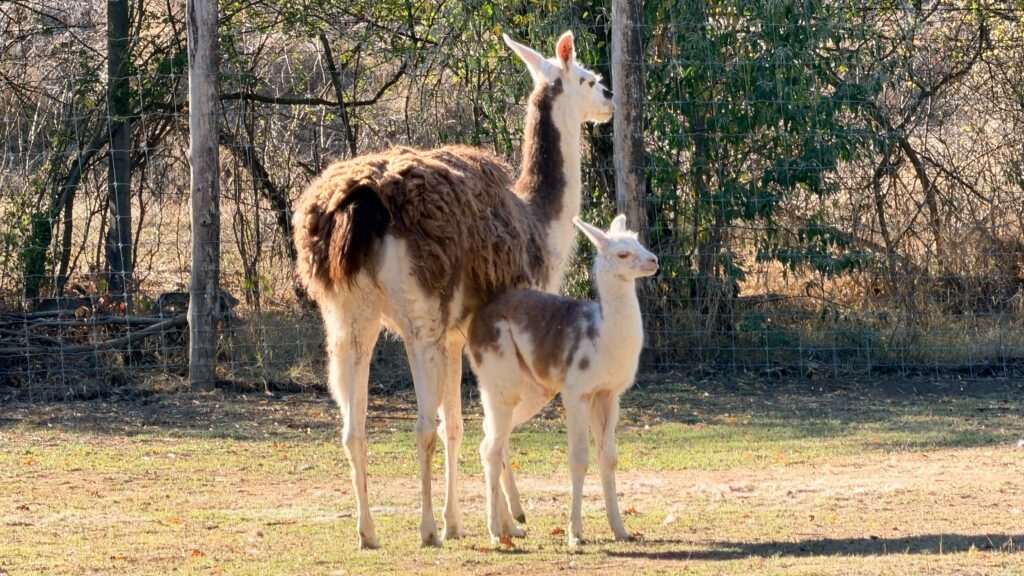
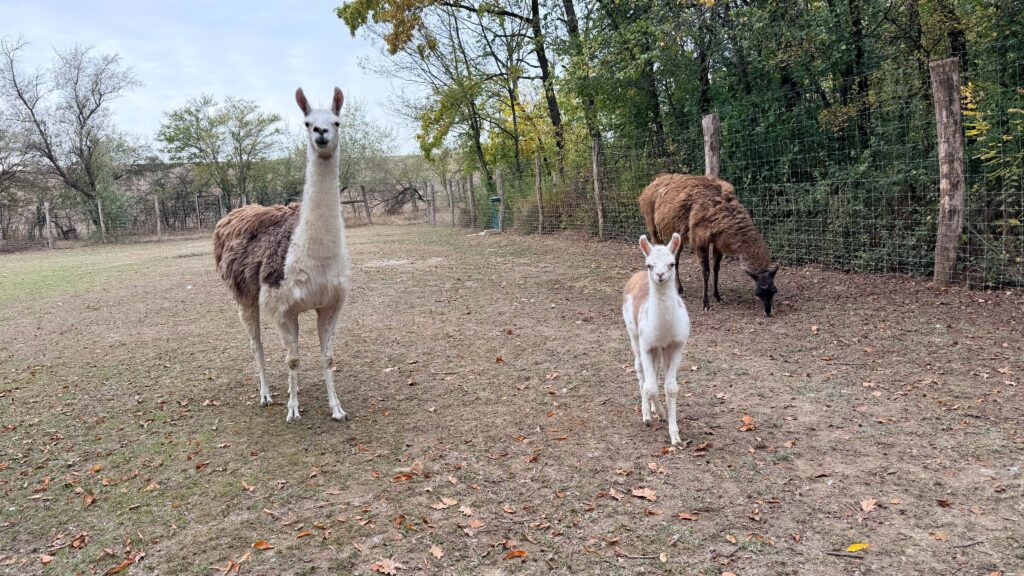
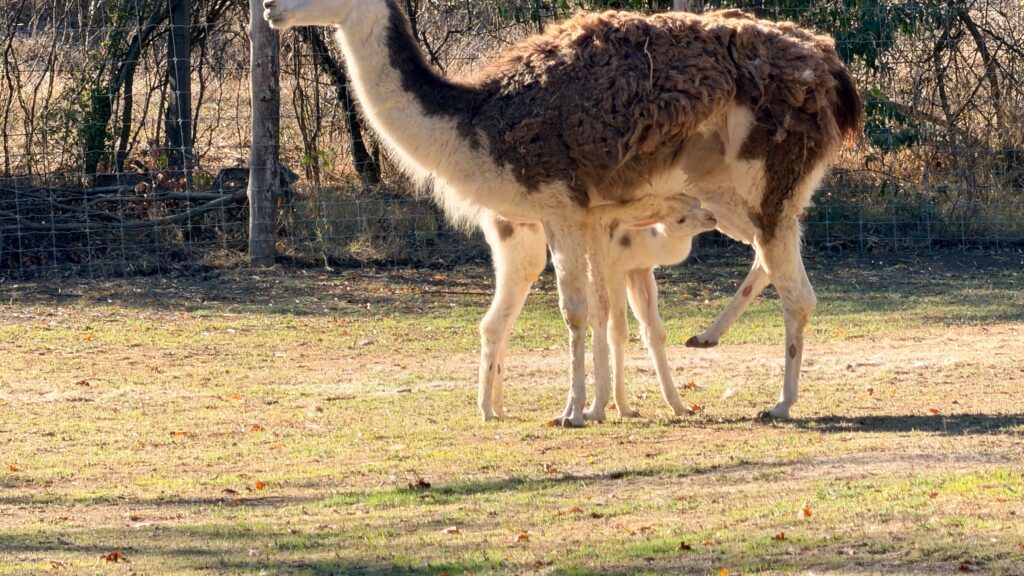
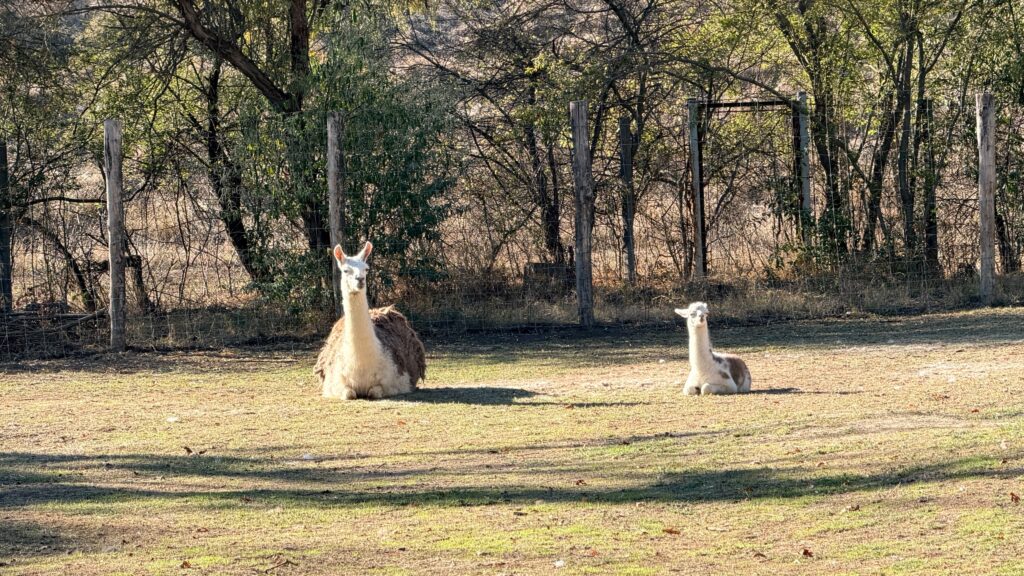
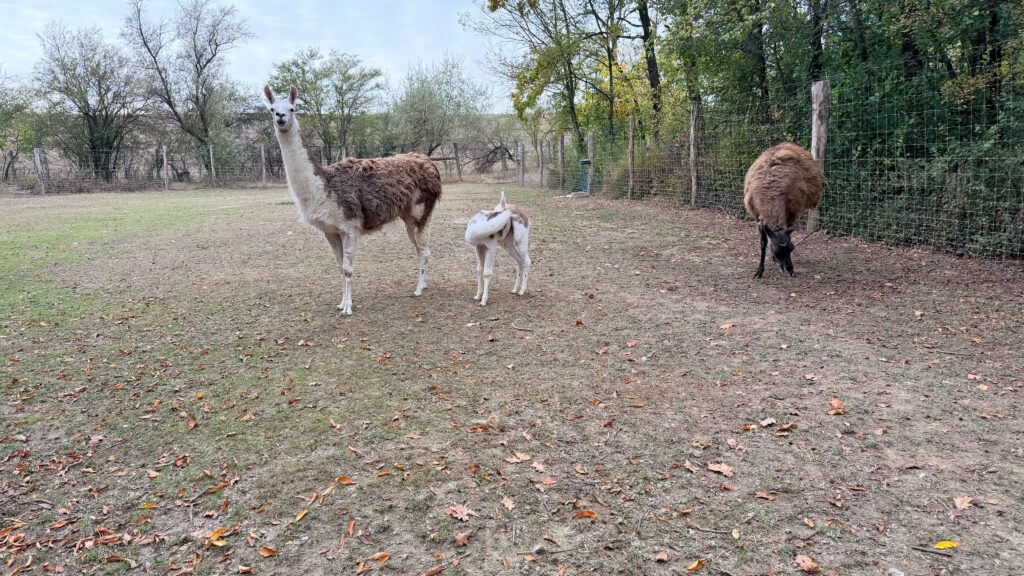
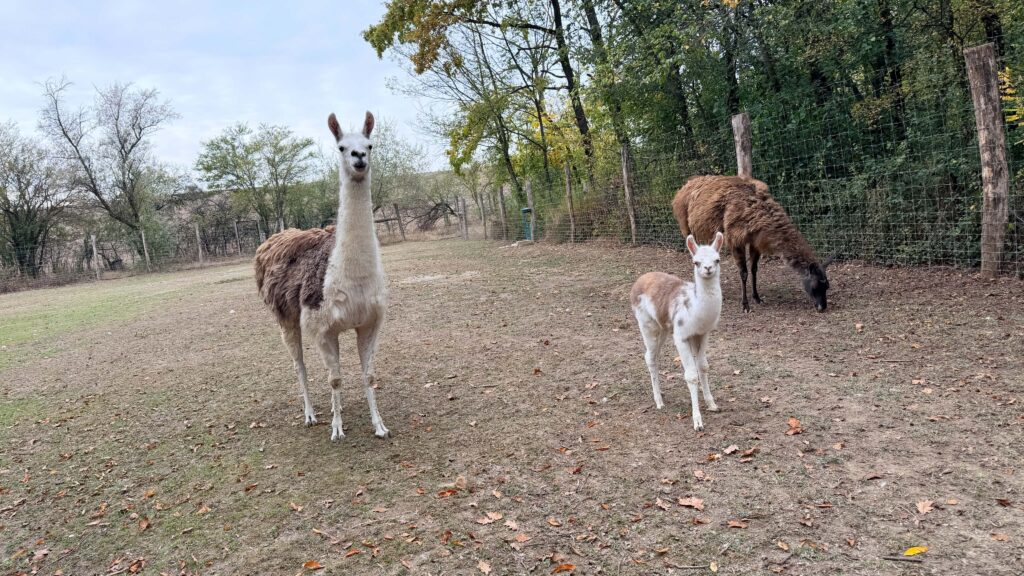
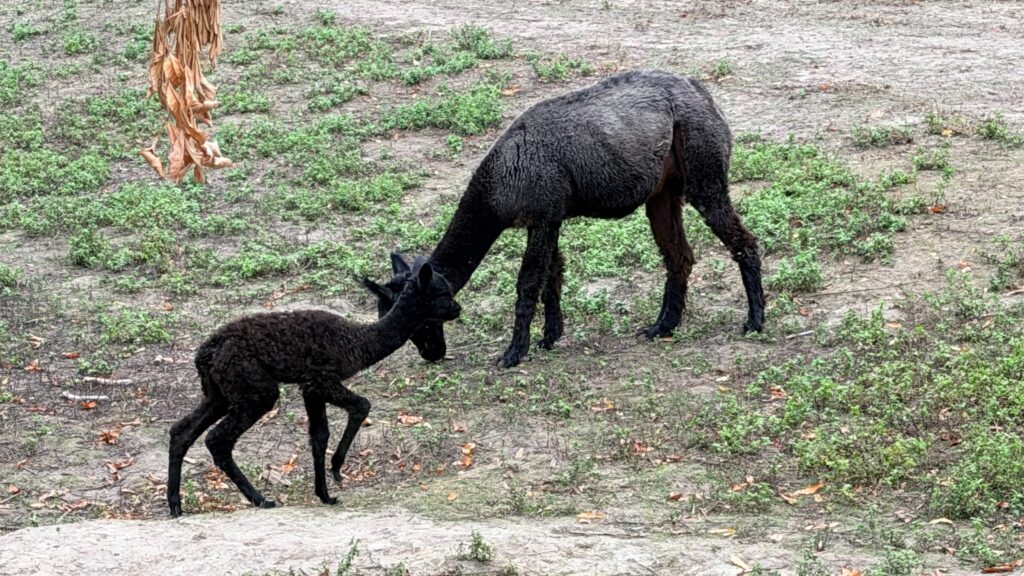
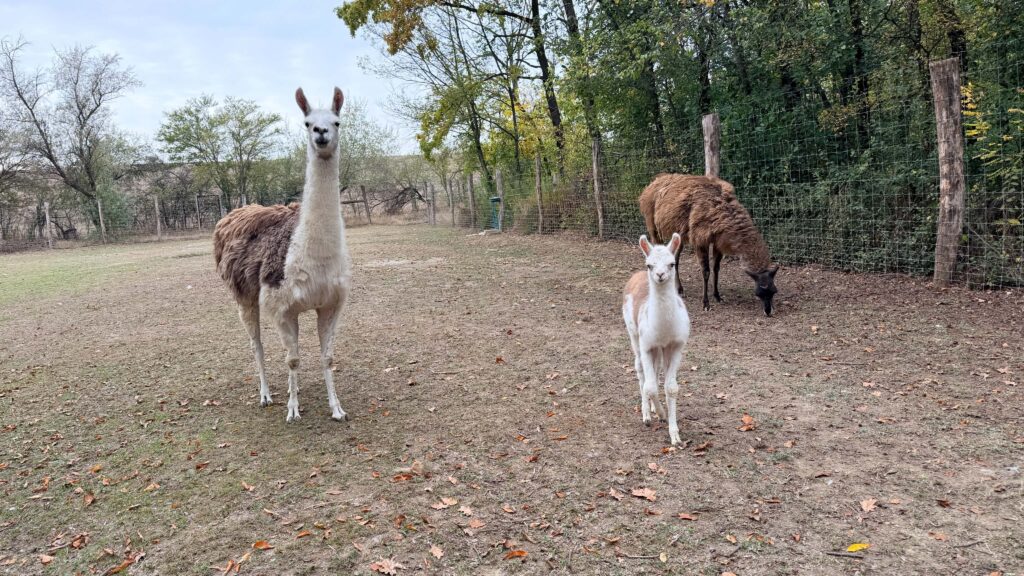
Three female llamas recently arrived at our zoo, and one of them is already settling into her new home as a mother. Jolina, the young female llama, was born in September. During her first few days, her keepers helped to feed her, but she quickly gained strength and has since been exploring the world under her mother’s watchful eye.
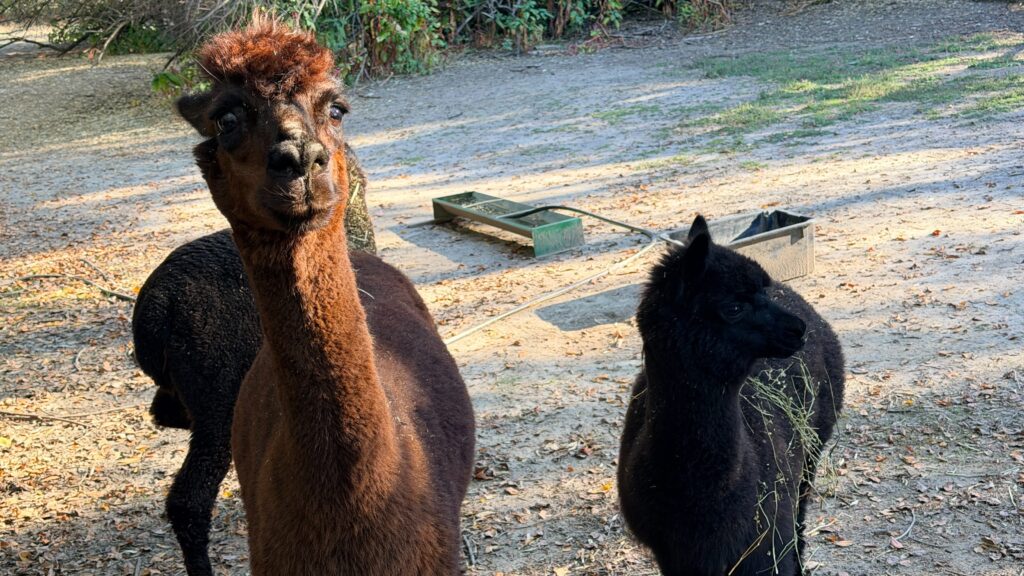
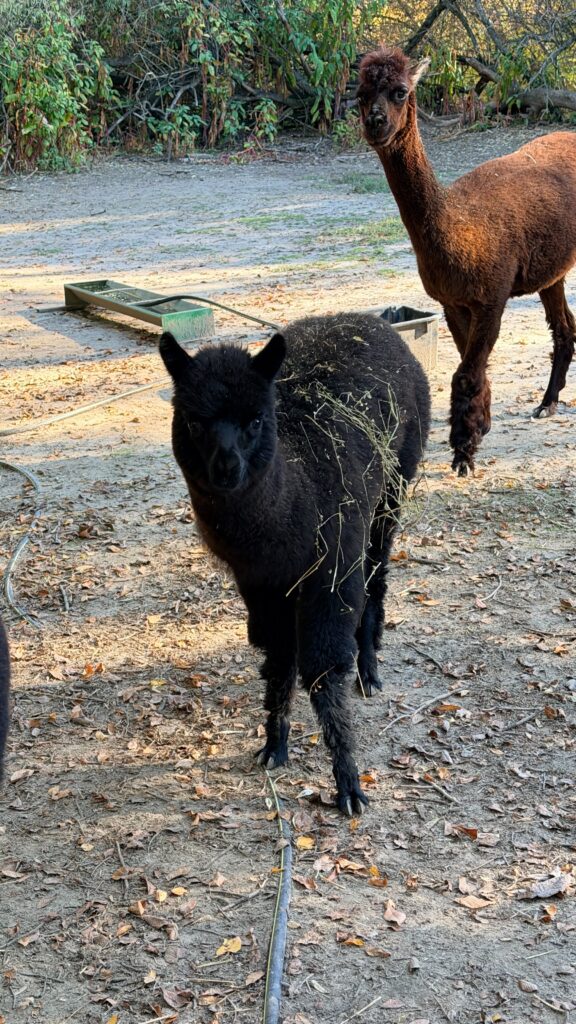
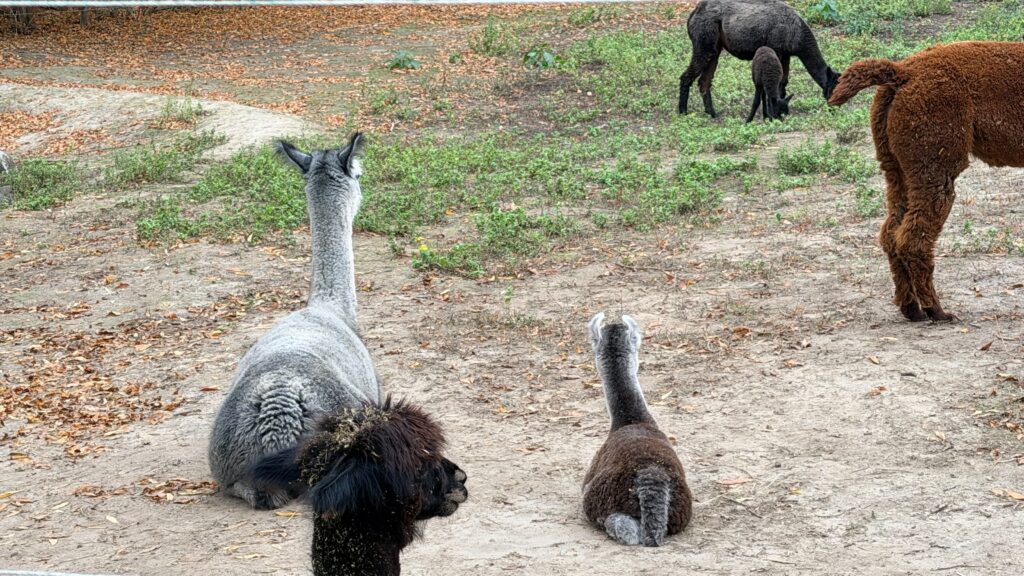
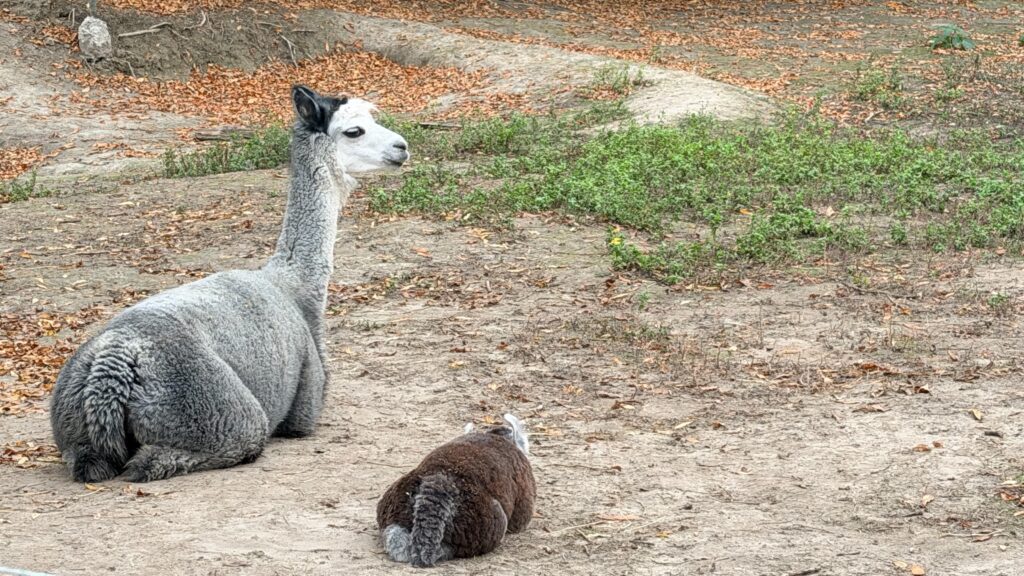
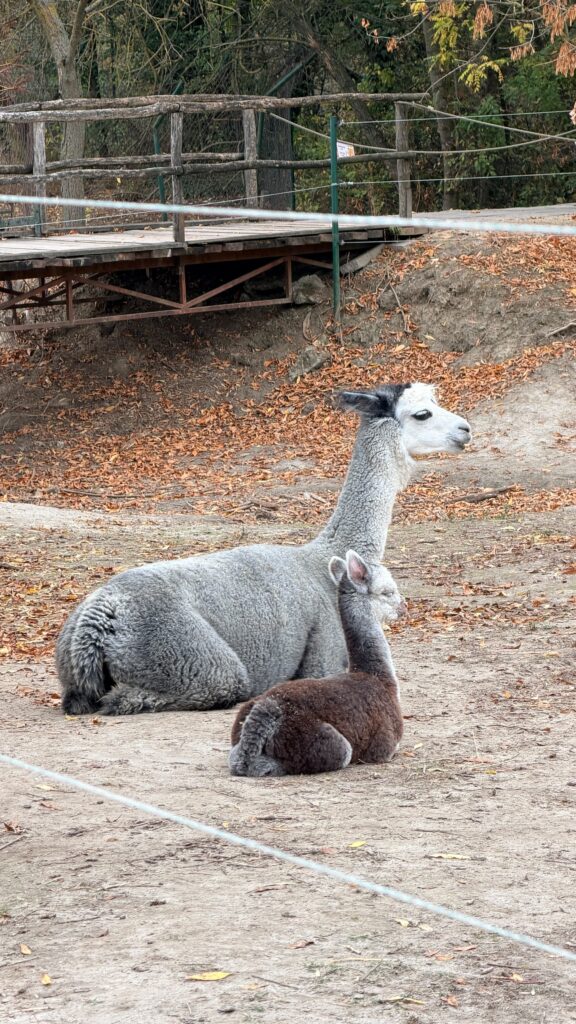
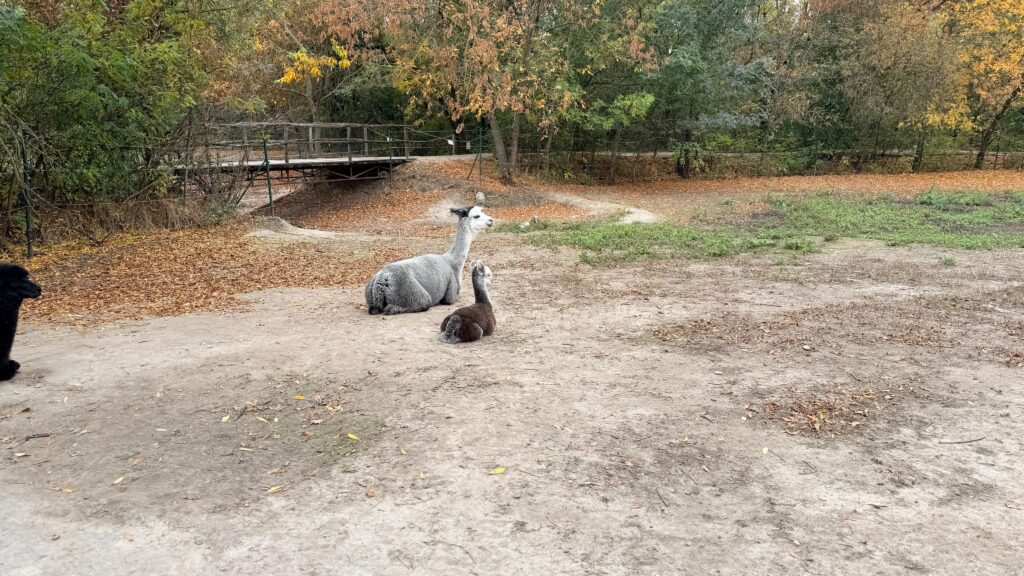
We have twice the reason to celebrate among the alpacas, as two crias have been born. Marcipán gave birth to a daughter, whom the keepers named Brigi, while Olga welcomed a son named Alex. Our already sizeable alpaca herd has therefore gained two new members.
Like the young of many other species, newborn camelids are relatively well developed. They stand shortly after birth and are soon able to follow their mothers. This is essential in the wild, where they must keep up with the herd. The arrival of an alpaca cria is preceded by a long wait, as the gestation period lasts approximately 11 months.
Visitors to Szeged Zoo can encounter all four species of South American camelids. Alongside the llama and alpaca, which were domesticated in the Andes thousands of years ago, their wild relatives, the guanaco and the vicuña, can also be seen.
Although they are often confused with one another, there are clear differences between llamas and alpacas, as well as between their wild relatives. Llamas and guanacos are larger animals with longer heads and characteristically curved ears, while alpacas and vicuñas are distinguished by their smaller size, shorter ears and thick coats. The fine, exceptionally insulating wool of alpacas is still highly valued today, while the price of vicuña wool can often rival that of gold.